
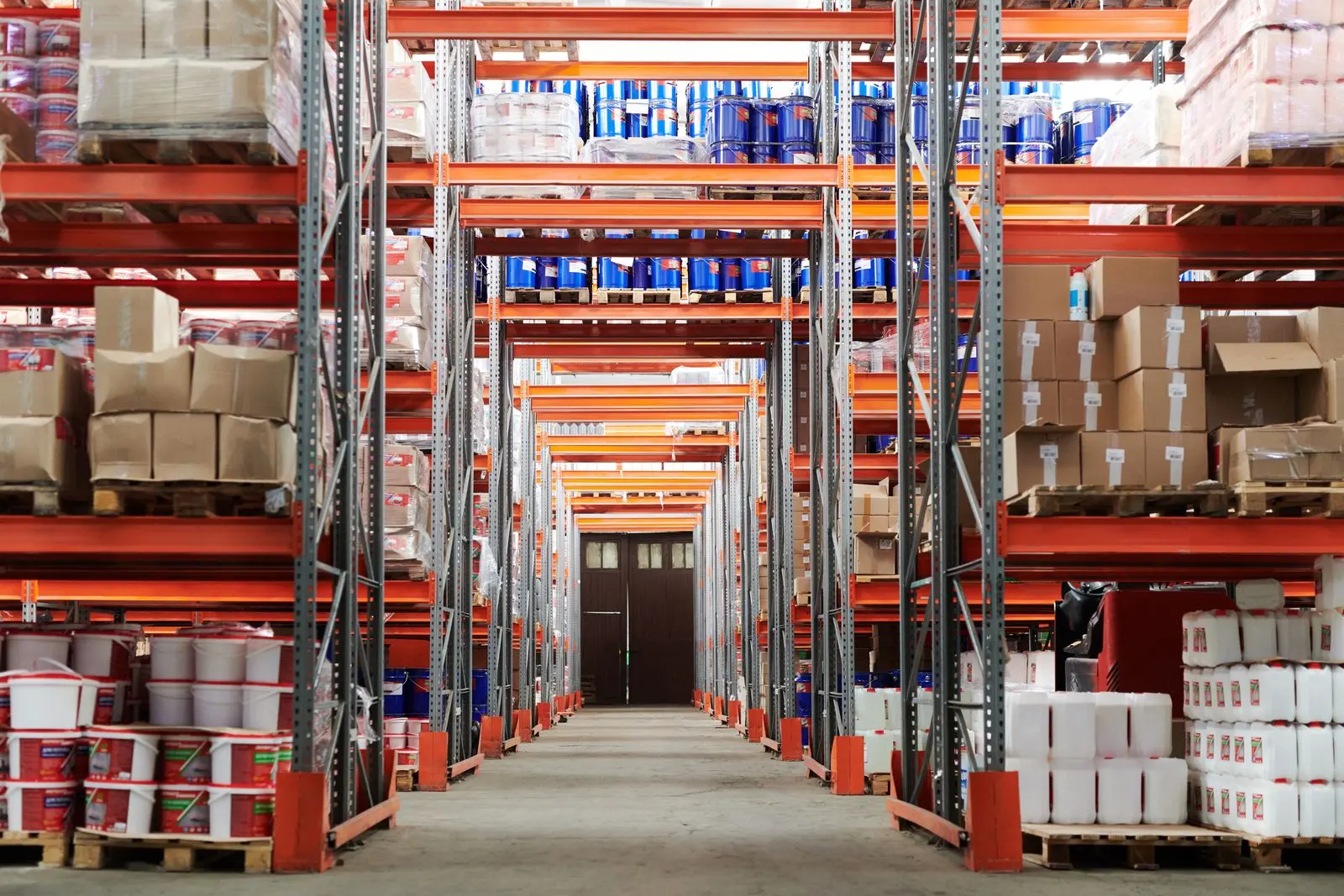
WHOLESALE & DISTRIBUTION
CMMS Software for Wholesale & Distribution
When the dock stops, everything stops.
Dock doors, levelers, conveyors, refrigeration, and lift trucks maintained on one system. Run six sites the same way and compare them on the same numbers.
- Multi-site by default
- Free request submission
- Lift trucks and buildings in one queue








WHAT CHANGES
What a CMMS changes in a distribution center
The assets are unglamorous and the cost of losing one is immediate. These are the four things distributors tell us they are trying to fix.
A dock leveler or a bay door fails and trucks back up in the yard. The cost is not the repair, it is the trailers waiting.
Doors, levelers, and lifts run on a PM schedule tied to cycles, and a failure opens a work order that is routed before the next inbound arrives.
Conveyor and sortation problems get reported by whoever happens to be standing there, in whatever way they prefer.
Anyone on the floor submits a request from a phone or a QR code on the equipment. It lands in one queue with the location already attached.
Racking inspections, fire extinguishers, and eyewash stations are tracked on a clipboard, and the binder is what you show the auditor.
Inspections are scheduled work with photos and timestamps, so the compliance record is a by-product rather than a scramble.
You run six DCs and cannot compare them. Each site keeps its own spreadsheet and its own way of naming things.
One asset naming scheme across sites, and cost, downtime, and open work compared site by site from the same records.
RESULTS
Results from distribution maintenance teams
Measured across UpKeep customers in an independent Forrester study.
90%
Reduction in technician time spent filing work orders and finding asset information
KEY WORKFLOWS
Maintenance workflows across a distribution center
A distribution center is a building, a fleet, and a safety program at the same time. These are the hand-offs that matter.
A picker reports a damaged rack upright
A forklift comes due for service
A new DC comes online
NOVA
Build the tracker your network needs
Nova is UpKeep's AI assistant, and it builds apps. Describe what you want to track across your sites in plain language and Nova builds it against your own asset and work order data, without a developer or another system to reconcile.
See how Nova works- Build a dock door uptime tracker that shows cycles and failures by site.
- Which site has the highest maintenance cost per square foot this quarter?
- Make a racking inspection app that blocks a location until the repair is signed off.
PRODUCTS
Warehouse maintenance software features
These are apps, not an edition. Most sites start with the CMMS and add Safety and Fleet as they roll out.
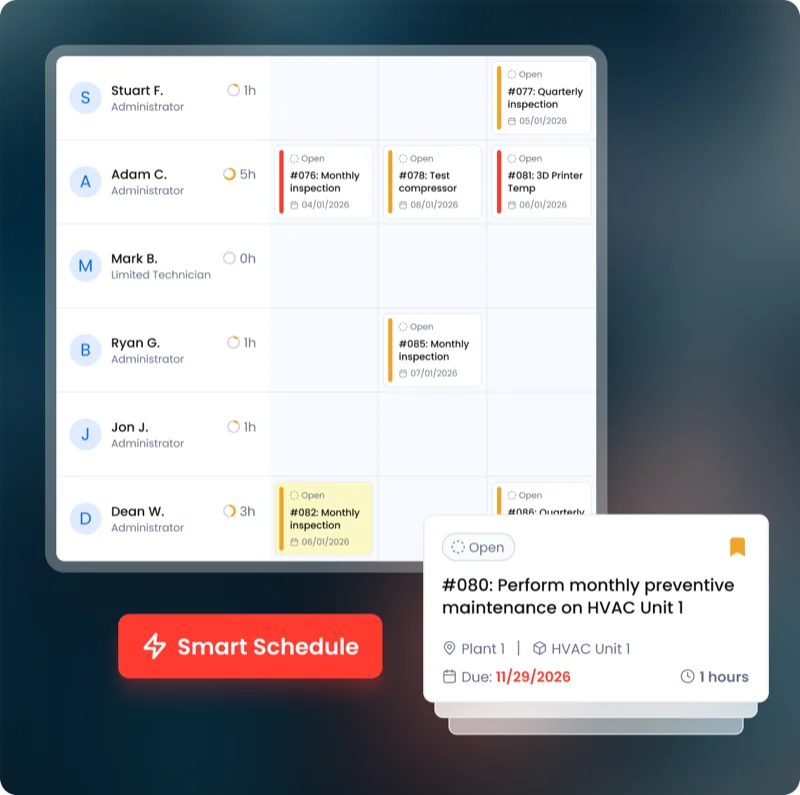 Maintenance CMMS
 Work orders, preventive maintenance, asset history, and parts. The system of record everything else hangs off.
Explore CMMS →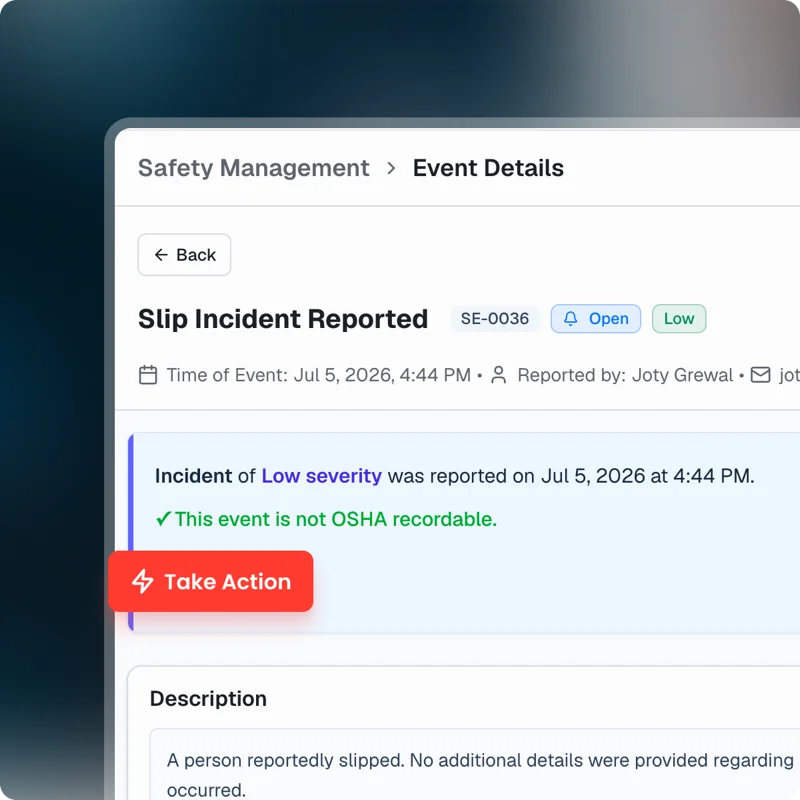 EHS Safety
 Incident capture from the floor by phone or voice, with OSHA 300, 300A, and 301 recordkeeping.
Explore Safety →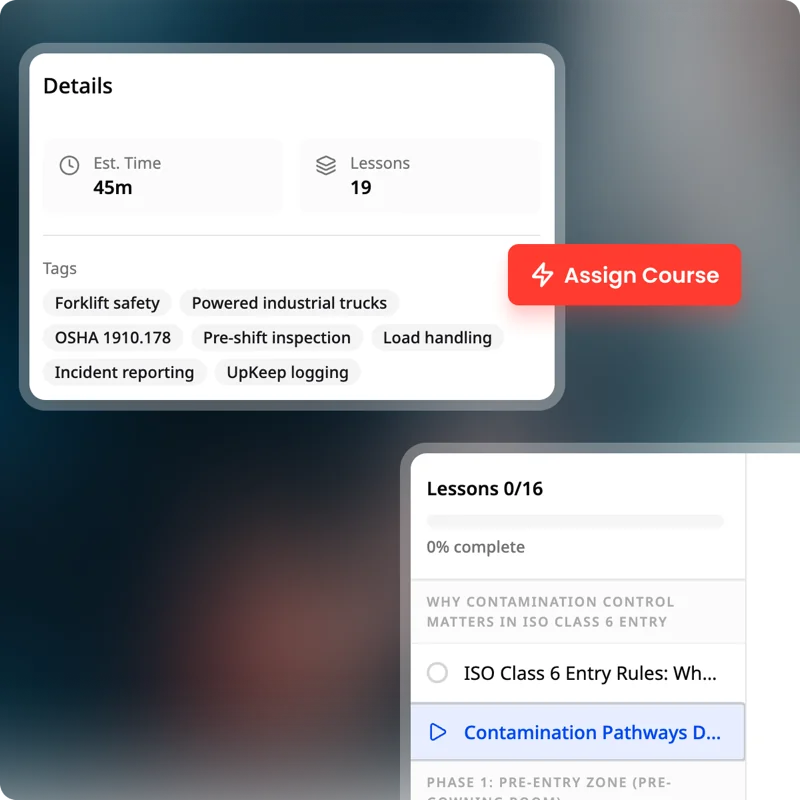 Training Learn
 Procedures, courses, and certifications tied to the people who do the work.
Explore Learn → Preventive Maintenance Set distribution center PM schedules on dates or hours run, so conveyors and dock equipment are serviced before peak season.
Fleet Service delivery vehicles and forklifts on mileage or hours, so routes and docks are covered through peak.
Edge Sensors Wireless condition-monitoring sensors. A reading outside your range opens a work order on its own.
Asset Management Every asset with its history, cost, documents, and hierarchy, from the site down to the component.
Parts & Inventory Keep spares for conveyors, scanners, and dock levelers on hand, with reorder points set before peak season.
Workforce Shifts, timecards, and labor cost against the work, so capacity is visible before you commit it.
Facilities Space, occupancy, and building systems for teams that maintain property rather than production.
Nova The AI assistant that answers questions about your data and builds custom apps from a description.
CUSTOMER STORIES
Teams running maintenance on UpKeep
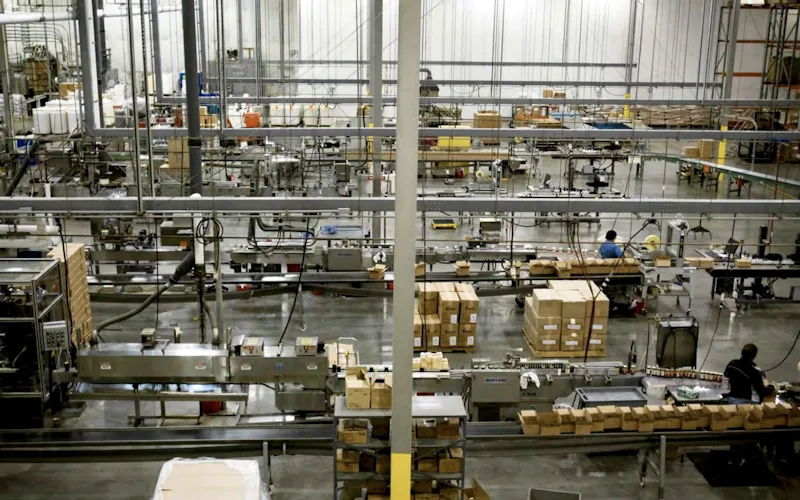
Moved maintenance off paper and onto a system the whole team can see.
Old Trapper
Read the story →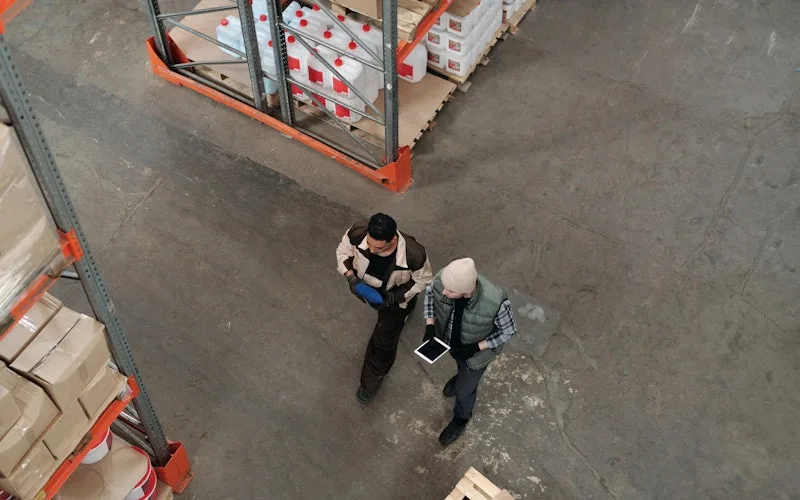
Standardized work orders and asset records across a multi-product distribution operation.
Distribution company
Read the story →
Keeps kitchen equipment running across a footprint measured in thousands of sites.
Chick-fil-A
Read the story →
One operator runs maintenance across every restaurant he owns from a phone.
McDonald's
Read the story →
Moved campus crews off paper and onto digital preventive maintenance and work orders.
Caltech
Read the story →
Standardized maintenance across one of the largest custom restorative labs in the world.
Glidewell
Read the story →
Moved from 60% reactive work to 20% by putting every asset on a recurring PM schedule.
Industrial manufacturer
Read the story →
Shifted work from reactive to preventive and brought maintenance costs down with it.
Layfield Group
Read the story →Warehouse maintenance software: common questions
What is warehouse maintenance software?
It is the system a distribution center uses to schedule preventive maintenance and run work orders on the equipment the building depends on: dock doors and levelers, conveyors and sortation, compressors, refrigeration, HVAC, and lift trucks.
The job is knowing what is due, what failed, and what it cost, per asset and per site, instead of finding out when a door will not open at 5am.
What is the difference between a CMMS and a WMS?
A WMS manages the goods: receiving, putaway, pick paths, slotting, and shipping. A CMMS manages the equipment that moves those goods and the building around them.
They are complementary and most operators run both. The parts inventory inside UpKeep is maintenance spares, belts, motors, seals, not saleable stock, so the two systems are not competing for the same records.
How much does warehouse maintenance software cost?
UpKeep is priced per user per month, based on the people who create and close work orders rather than the number of assets or square feet.
Floor staff submitting a request do not need a paid seat, which is what makes it practical to let anyone report a problem. See the pricing page for current tiers.
Can UpKeep manage forklift maintenance?
Yes. Lift trucks, yard trucks, and pallet jacks are maintained through Fleet on hours run rather than dates, and the work orders sit in the same queue as the building assets.
Operator certifications are tracked in Learn, so an expired card is visible before an inspector asks for it.
How do you manage maintenance across multiple distribution centers?
Assets are organized by location, so cost, downtime, PM compliance, and open work can be viewed for one site or across the whole network.
PM templates and procedures built at one site copy to the next, which is what makes the comparison meaningful, otherwise each site measures itself differently and the numbers do not line up.
Can floor staff submit requests without a license?
Yes. Anyone can submit a request from a phone or by scanning a QR code on the equipment, without a paid seat. The location and asset come attached, so the request does not need chasing.
How do racking and safety inspections work?
They are scheduled work orders with a checklist, photos, and timestamps. Because the inspection and any resulting repair stay linked on the asset, the audit trail is produced by doing the work rather than assembled afterward.
What is the best maintenance software for a warehouse?
The one the floor will use without training. Warehouse maintenance lives or dies on whether a picker who spots a damaged rack upright can report it in under a minute, from a phone, without an account.
When you evaluate, check that request submission is free, that assets can be organized by site so a multi-DC operator can compare them, and that lift trucks and building assets can live in one queue rather than two systems.
How do you track dock door and conveyor maintenance?
As assets with their own PM schedules, triggered on cycles or hours rather than dates, because a door on a busy inbound dock wears far faster than one on a quiet bay.
Adding condition monitoring through Edge takes it further: a current or vibration reading drifting out of range on the door motor opens a work order before the door fails and the yard backs up.
How long does implementation take?
Weeks, not quarters. Most distributors start at one site with the asset list and the PMs that matter most, then roll the same templates to the next site. It does not require an IT project.
FREE RESOURCES
Go deeper on maintenance
Practical guides and research from the UpKeep team. No cost, no sales call required.
 Guide
GuideThe Reliability Playbook: Capturing 20 Years of Know-How Before It Walks Out the Door
A fully staffed plant still loses hours to failures a retired technician would have caught in minutes. This playbook reframes the problem: knowledge is disappearing because no system was built to capture it. It lays out a three-part framework for closing that gap and shows what changed at one plant that stopped hiring its way out and instead started capturing what its people already knew.
Get the guide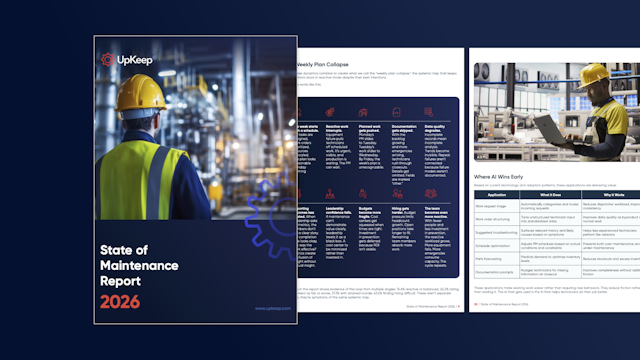 Report
The 2026 State of Maintenance Report
This year's report reflects a fundamental shift in how maintenance creates competitive advantage. While 90% of teams recognize what drives reliability, only 25% can consistently execute it. The gap between knowing and doing has become the defining challenge and opportunity of 2026.
Get the report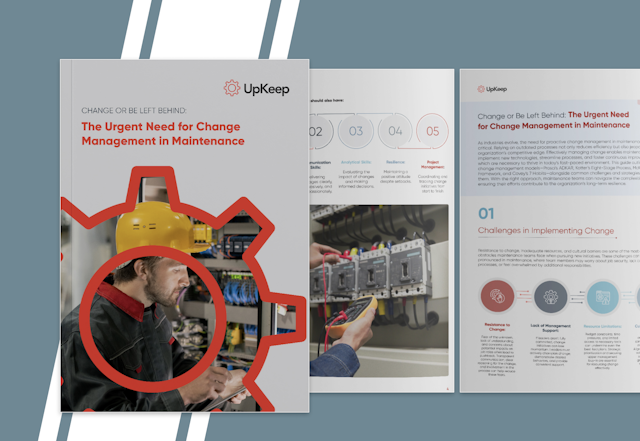 Guide
GuideChange or Be Left Behind: The Urgent Need for Change Management in Maintenance
Effectively managing change enables maintenance teams to implement new technologies, streamline processes, and foster continuous improvement, all of which are necessary to thrive in today’s fast-paced environment. This guide outlines essential change management models
Get the guide
GET STARTED
See it against your own sites
We will walk through your asset list, your PM schedule, and the equipment that causes you the most delay.