
UPKEEP QUALITY
Most quality failures are equipment failures
Nonconformance, CAPA, calibration, document control, and audits, on the same platform as the assets and technicians involved. The corrective action is a work order, not a note asking someone to raise one.
- ISO 9001 and IATF 16949 structures
- Calibration on the PM engine
- Corrective action as work order







SOLUTIONS
Join the quality record to the equipment record
Quality software knows what went wrong. Maintenance software knows why. Running both in one place is the entire argument.
Quality trends symptoms while maintenance fixes causes, and neither sees the other.
A nonconformance points at the asset that produced it, and the corrective action is a work order on that asset. Quality history and maintenance history become one history, so the pattern is visible to both teams.
Gauge calibration lives in a spreadsheet that someone remembers to check.
Calibration runs as a schedule against the instrument, with due dates, overdue escalation, mobile completion, and a permanent record. The same engine that never lets a PM slip does not let a calibration slip either.
A CAPA is opened, assigned, and quietly never closed.
Actions carry an owner, a due date, and an effectiveness check before they can close. Open and overdue actions are visible on a dashboard rather than discovered during an audit.
An audit means three weeks of assembling evidence.
Findings, corrective actions, controlled documents, training records, and calibration certificates are already linked to what they relate to. Preparing for a surveyor becomes filtering rather than reconstructing.
Nobody is sure which revision of the SOP the operator was following.
Controlled documents carry revisions, approvals, and effective dates, and the revision in force is recorded against the work that used it. Training assignments go out when a document changes.
Supplier quality is managed by whoever complained most recently.
Incoming inspection results, rejects, and corrective action requests accumulate per supplier into a scorecard, so the approved vendor list reflects performance rather than habit.
FEATURES
What it covers
General manufacturing quality, built for teams working to ISO 9001, IATF 16949, or a food safety scheme.
Nonconformance
Capture at the point of detection, on mobile, with photos. Material hold and quarantine, then disposition: use as is, rework, scrap, or return to vendor.
CAPA
Structured root cause with 5-why, fishbone, or 8D. Action plans with owners and dates, and an effectiveness check required before closure.
Calibration management
Instrument register with intervals, tolerances, and as-found and as-left readings. Out-of-tolerance handling flags the product measured since the last good calibration.
Document control
SOPs, work instructions, and specifications with revision approval, effective dates, and obsolete copy control. Training assigned automatically when a revision lands.
Inspection and test
Incoming, in-process, and final inspection with sampling plans, recorded results, and holds when something falls out of specification.
SPC
Control charts and process capability where you have measurement data at frequency, usually fed from Production rather than typed in by hand.
Audit management
Internal audit schedules and checklists, findings and observations linked to corrective actions, and evidence packets for customer and regulatory audits.
Supplier quality
Supplier qualification, approved vendor list, incoming material testing, supplier corrective action requests, and scorecards built from your own receiving record.
Cost of quality
Scrap, rework hours, and the maintenance cost of the asset that caused them, attributed to one asset. The number most operations cannot currently produce.
CONNECTED WORKFLOWS
Built to work with the rest of UpKeep
Quality touches more of the platform than any other application here, which is both the opportunity and the reason the boundaries are drawn deliberately.
Quality CMMS
The corrective action on a quality event is a work order, executed by the technicians already in the app. Calibration runs on the same scheduling engine as preventive maintenance.
Explore UpKeep CMMS →Quality Production
An out-of-spec in-line check raises a nonconformance carrying the run, lot, line, and operator. Scrap and first-pass yield from the floor feed quality reporting directly.
Explore UpKeep Production →Quality Safety
Safety and quality corrective actions run on shared machinery, so one team is not learning a second workflow to do the same thing under a different standard.
Explore UpKeep Safety →Quality Learn
A document revision assigns read-and-acknowledge training to the people it affects, and the completion record is the training evidence an ISO 9001 auditor asks for.
Explore UpKeep Learn →Quality Inventory
Quarantine and disposition act on real stock. Incoming inspection gates material into the storeroom rather than letting it move first and be questioned later.
Explore UpKeep Inventory →Quality Procurement
Supplier corrective action requests attach to the vendor record and the PO that delivered the problem, and qualification status governs who can be bought from.
Explore UpKeep Procurement →CUSTOMER STORIES
Teams running maintenance on UpKeep

Built a safety-focused culture on the same platform running cleanroom maintenance.
Innovative Micro Technology
Read the story →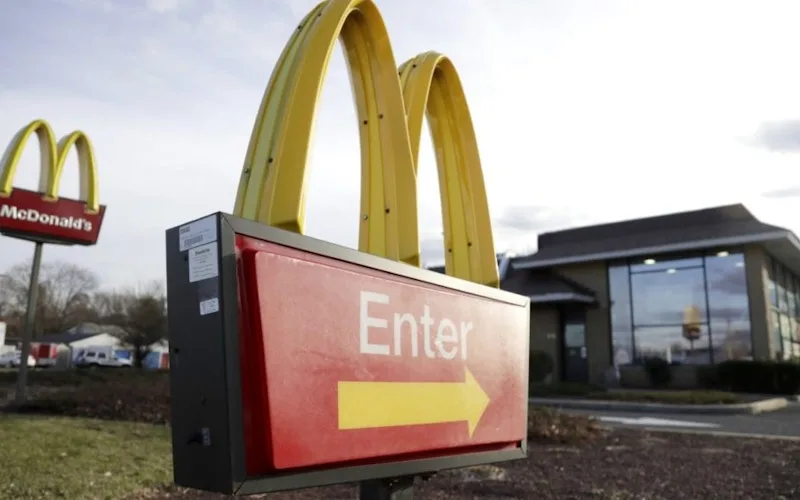
One operator runs maintenance across every restaurant he owns from a phone.
McDonald's
Read the story →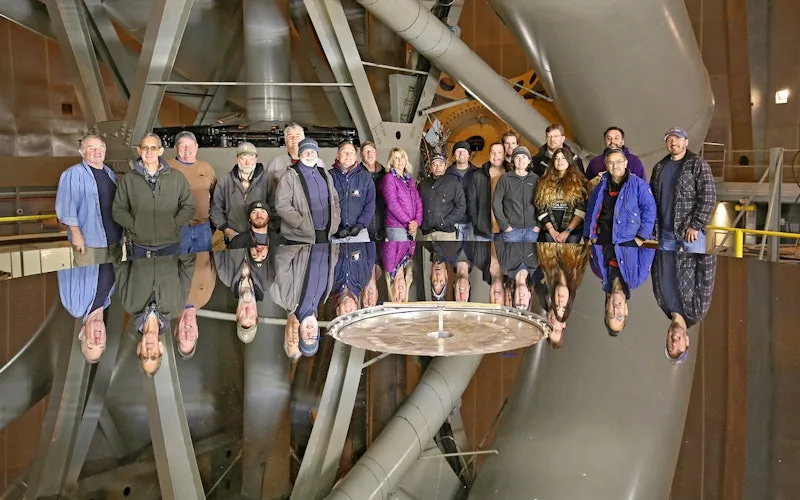
Moved campus crews off paper and onto digital preventive maintenance and work orders.
Caltech
Read the story →
Standardized maintenance across one of the largest custom restorative labs in the world.
Glidewell
Read the story →
Moved from 60% reactive work to 20% by putting every asset on a recurring PM schedule.
Industrial manufacturer
Read the story →
Shifted work from reactive to preventive and brought maintenance costs down with it.
Layfield Group
Read the story →
Replaced paper tracking and manual data entry across the plant using Nova.
Sprinturf
Read the story →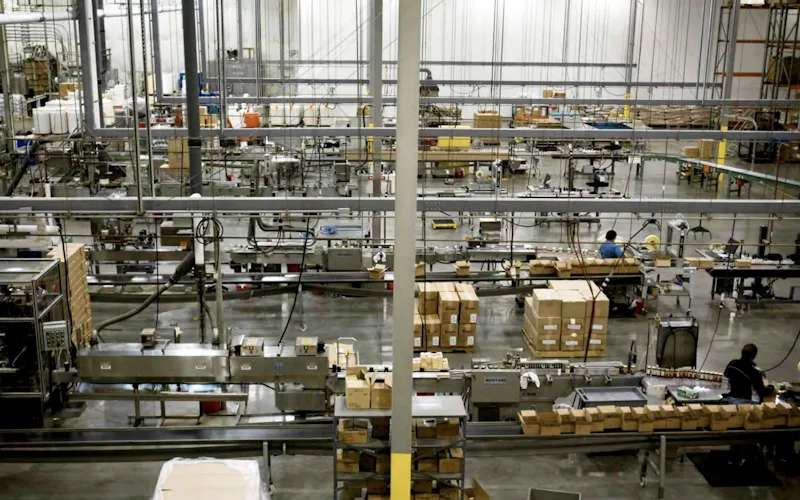
Moved maintenance off paper and onto a system the whole team can see.
Old Trapper
Read the story →Frequently asked questions
Is UpKeep Quality a validated eQMS for life sciences?
No. A validated system under FDA 21 CFR Part 11, with electronic signature non-repudiation, immutable audit trails, and full validation documentation, is a different and much heavier product. That is MasterControl, Blue Mountain, and Veeva territory. UpKeep Quality is built for general manufacturing quality under ISO 9001, IATF 16949, and food safety schemes. If you are in GxP pharma or medical device, we would tell you to look elsewhere for the quality system.
How is this different from the Safety module we already have?
They share machinery deliberately. Incident capture, inspections, and corrective actions are structurally the same whether the trigger is a near miss or a failed dimension check, so Quality extends that rather than duplicating it. What Quality adds is the quality-specific layer: document and change control, calibration, supplier quality, inspection and SPC, and audit management against quality standards. If you already run Safety, a lot of this will feel familiar on purpose.
Why would a maintenance vendor build a quality product?
Because most quality failures are equipment failures. A dimension drifts because a die is worn. A seal leaks because the filler head is out of spec. Scrap spikes because a machine is running hot. Today the nonconformance sits in the quality system and the work order sits in the maintenance system, and nobody joins them. We already hold the asset, its history, and the technicians who fix it. No quality vendor can execute the corrective action, and no maintenance vendor holds the quality record.
Can we run calibration without the rest of Quality?
Yes, and a fair number of teams will start there. A calibration program is a schedule against an instrument, which is the same shape as a preventive maintenance program, so it works on its own. Out-of-tolerance back-tracing gets considerably more useful once Production is in place, because that is what tells you which product was measured with the bad gauge.
Do we need Production to use SPC?
Practically, yes. Statistical process control needs measurement data at frequency, and manual entry at that frequency is a habit quality teams do not sustain. If the measurements are coming off the line through Production or Edge, SPC works. If not, start with nonconformance, CAPA, calibration, and audits, which stand on their own.
Which standards does it support?
The document control, training records, nonconformance, CAPA, internal audit, and supplier qualification structures map to ISO 9001 and to IATF 16949 for automotive supply chains. Food and beverage teams use the same structures for FSSC 22000 and SQF evidence. We do not ship pre-loaded standard libraries for regulated healthcare accreditation.
Can quality events come from someone without a license?
Yes. An operator or an inbound receiver can raise a nonconformance the same way anyone can raise a maintenance request, including by QR code without a login. Investigation, disposition, and closure are permissioned roles.
What can we import from our current quality system?
Controlled documents with their revision history, the instrument and calibration register, supplier records and qualification status, and open CAPAs. Open items matter most since they need to land accurately with their owners and due dates intact. Customer success handles the mapping and validates before go-live.
FREE RESOURCES
Go deeper on maintenance
Practical guides and research from the UpKeep team. No cost, no sales call required.
 Guide
GuideThe Reliability Playbook: Capturing 20 Years of Know-How Before It Walks Out the Door
A fully staffed plant still loses hours to failures a retired technician would have caught in minutes. This playbook reframes the problem: knowledge is disappearing because no system was built to capture it. It lays out a three-part framework for closing that gap and shows what changed at one plant that stopped hiring its way out and instead started capturing what its people already knew.
Get the guide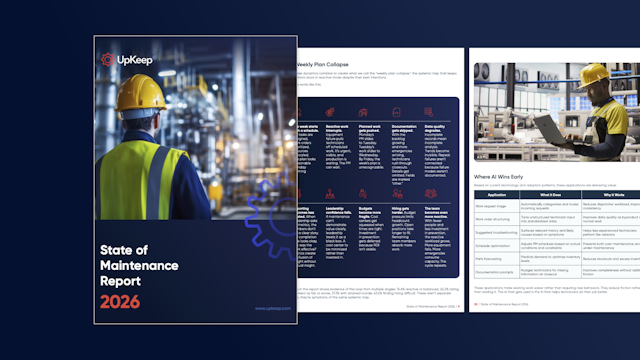 Report
The 2026 State of Maintenance Report
This year's report reflects a fundamental shift in how maintenance creates competitive advantage. While 90% of teams recognize what drives reliability, only 25% can consistently execute it. The gap between knowing and doing has become the defining challenge and opportunity of 2026.
Get the report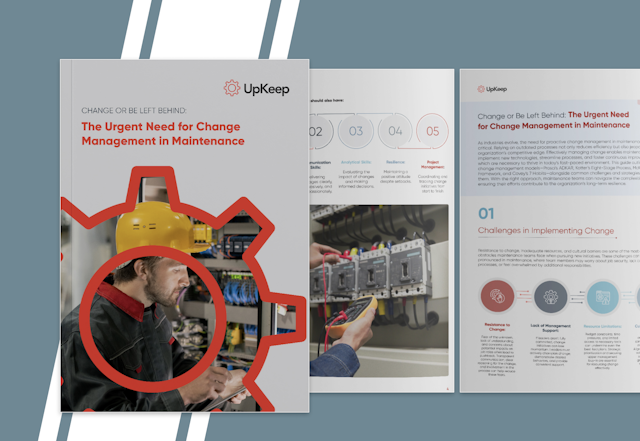 Guide
GuideChange or Be Left Behind: The Urgent Need for Change Management in Maintenance
Effectively managing change enables maintenance teams to implement new technologies, streamline processes, and foster continuous improvement, all of which are necessary to thrive in today’s fast-paced environment. This guide outlines essential change management models
Get the guide
Start with the defect that keeps coming back
Pick a recurring quality issue you suspect is really an equipment problem. We will show you what it looks like when both records live in one place.