
FOR SAFETY MANAGERS
EHS Software for Safety Managers
A hazard nobody reported is a hazard you cannot close.
Incidents, near misses, inspections, and corrective actions in one record, reported from any phone without a login, and tied to the equipment that caused them.
- No login to report
- OSHA 300, 300A, 301
- Corrective actions on assets







WHAT CHANGES
What decides whether a safety program has real data
Every safety manager knows the reporting rate is the whole game. These are the four things that suppress it.
Reporting a near miss means finding a form, a computer, and ten minutes nobody has.
Anyone reports from a phone in under a minute, with a photo, and without an account. Volume goes up because the friction is gone.
An incident is investigated, a corrective action is agreed, and nothing verifies it happened.
The corrective action is a work order with an owner and a due date, and closure is evidence rather than assertion.
OSHA logs are assembled in January from a year of scattered paperwork.
The 300, 300A, and 301 come out of records captured as the events happened, with the classification already applied.
The hazard was a machine, but safety and maintenance keep separate systems.
The event attaches to the asset. When the same guard fails twice, both teams are looking at one history.
RESULTS
What the platform does for the teams around you
Measured across UpKeep customers in an independent Forrester study.
90%
Reduction in technician time spent filing work orders and finding asset information
KEY WORKFLOWS
From a report to a closed corrective action
Safety only works when the loop actually closes. These are the three that matter most.
An inspection finds a problem
A regulator or an insurer asks
NOVA
Stop rebuilding the same safety report
Nova is UpKeep's AI assistant, and it builds apps. Describe the tracker or the board report you keep making by hand and Nova builds it against your own incident and inspection data.
See how Nova works- Which sites have corrective actions overdue by more than 30 days?
- Show me near-miss reports by area for the last quarter.
- Build a monthly leading-indicator summary for the leadership meeting.
PRODUCTS
What safety managers usually turn on
These are apps, not an edition. Safety works on its own; it gets considerably better next to the CMMS, because most hazards are equipment.
 Maintenance CMMS
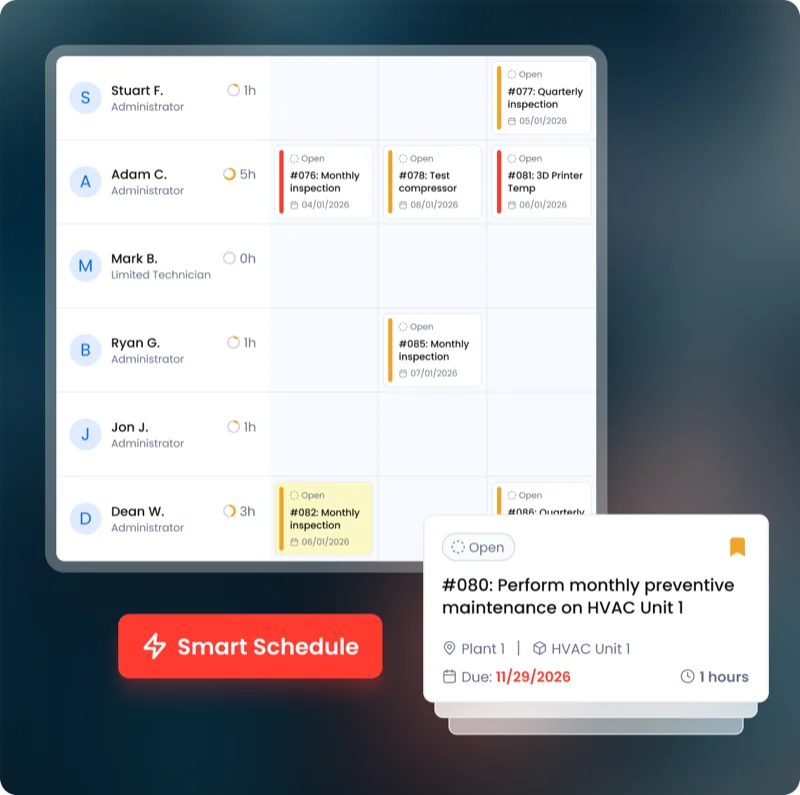
 Work orders, preventive maintenance, asset history, and parts. The system of record everything else hangs off.
Explore CMMS →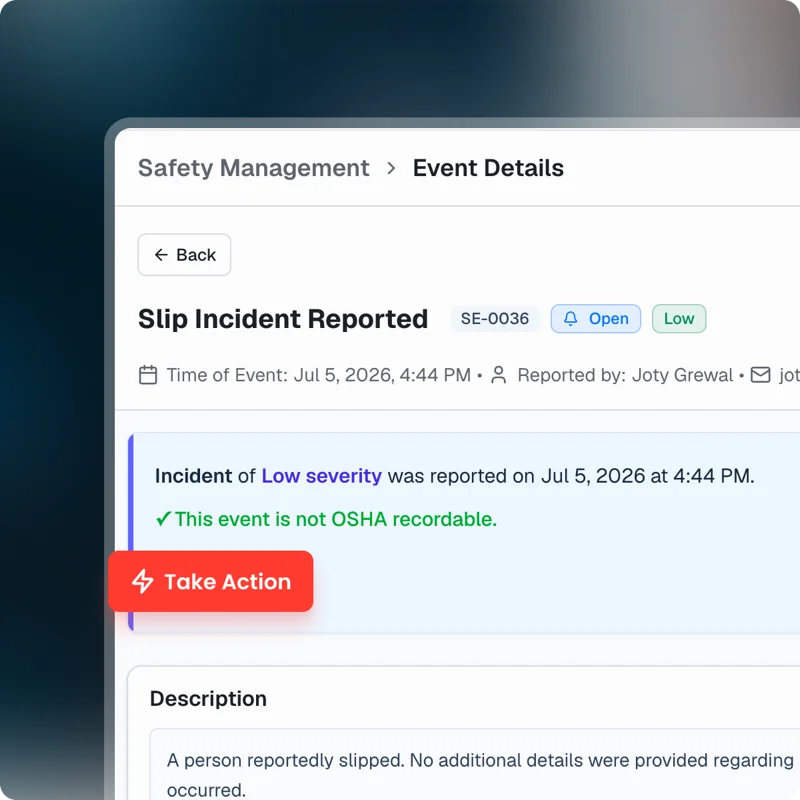 EHS Safety
 Incident capture from the floor by phone or voice, with OSHA 300, 300A, and 301 recordkeeping.
Explore Safety →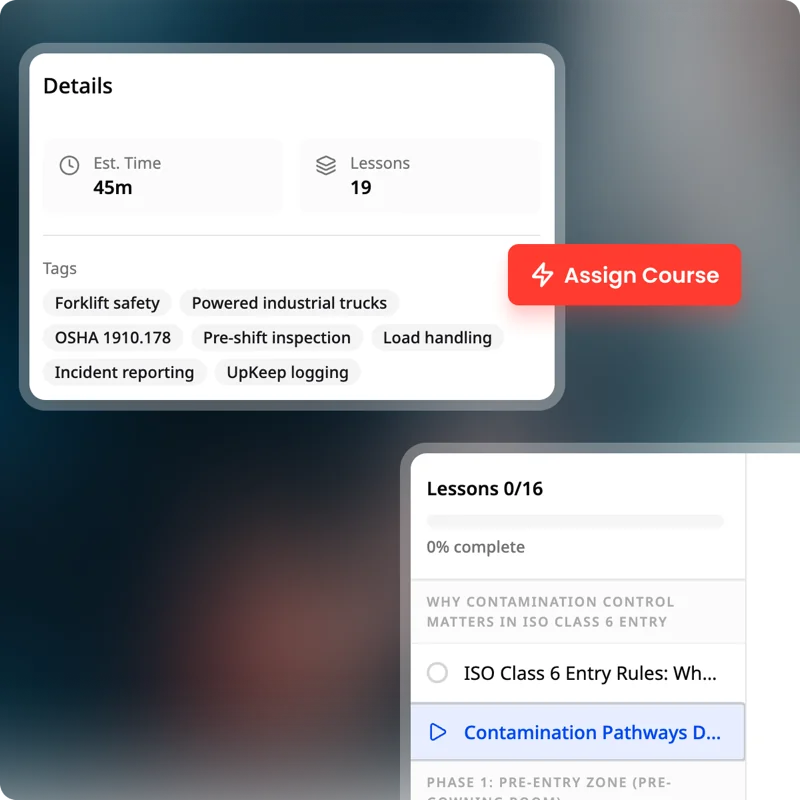 Training Learn
 Procedures, courses, and certifications tied to the people who do the work.
Explore Learn → Analytics & Reporting Track incidents, corrective actions, and overdue inspections in one view, so a safety review is built from the record.
Workforce See who is trained and certified on what, with reminders before a certification lapses rather than after.
Nova The AI assistant that answers questions about your data and builds custom apps from a description.
CUSTOMER STORIES
Teams running maintenance on UpKeep
Keeps kitchen equipment running across a footprint measured in thousands of sites.
Chick-fil-A
Read the story →
One operator runs maintenance across every restaurant he owns from a phone.
McDonald's
Read the story →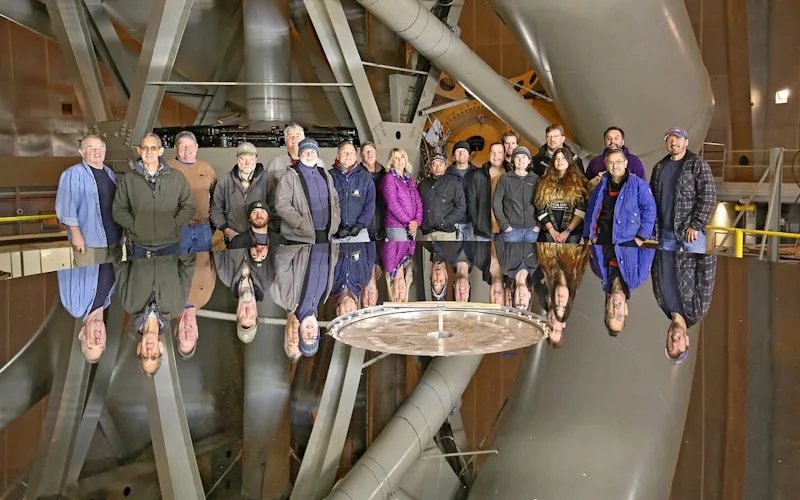
Moved campus crews off paper and onto digital preventive maintenance and work orders.
Caltech
Read the story →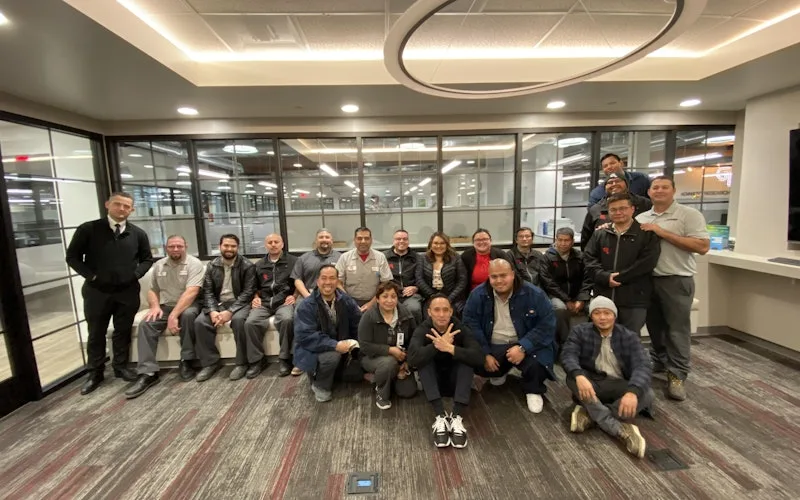
Standardized maintenance across one of the largest custom restorative labs in the world.
Glidewell
Read the story →
Moved from 60% reactive work to 20% by putting every asset on a recurring PM schedule.
Industrial manufacturer
Read the story →
Shifted work from reactive to preventive and brought maintenance costs down with it.
Layfield Group
Read the story →
Replaced paper tracking and manual data entry across the plant using Nova.
Sprinturf
Read the story →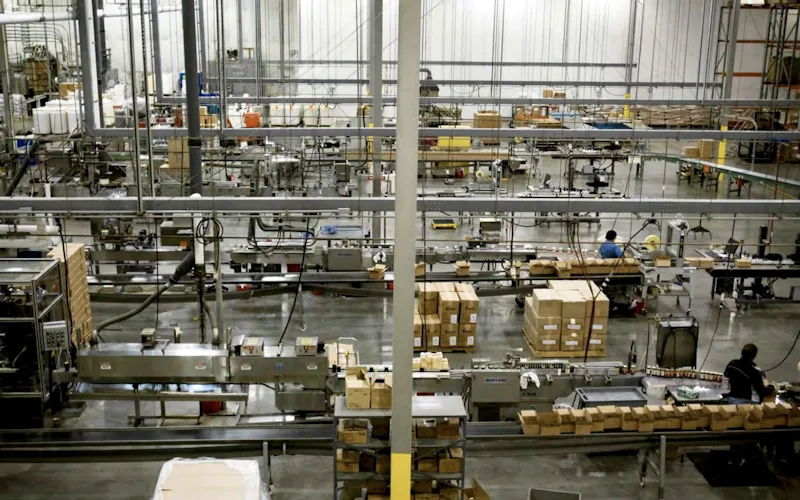
Moved maintenance off paper and onto a system the whole team can see.
Old Trapper
Read the story →Questions safety managers ask
Do people need an account to report an incident?
No. Anyone reports from a phone with no login and no paid seat, which is the single biggest factor in whether near misses get reported at all.
Reports arrive with a location and a photo, and can be submitted anonymously where your policy calls for it.
Does UpKeep handle OSHA recordkeeping?
Yes. The 300, 300A, and 301 are produced from records captured as events happen, with recordability and classification applied at entry rather than reconstructed in January.
Can I use Safety without the CMMS?
Yes. Safety stands alone, and plenty of teams start there.
It is better alongside the CMMS for one reason: when a hazard is a machine, the corrective action becomes real maintenance work against that asset instead of a task in a separate system nobody checks.
Is this a validated EHS system for a regulated industry?
No. UpKeep Safety is not a validated eQMS and should not be presented as one for GxP or 21 CFR Part 11 purposes.
It is a working safety management system: reporting, investigation, corrective actions, inspections, and OSHA logs. Say so plainly if that distinction matters to your auditor.
Can corrective actions be tracked to closure?
Yes, and this is the part most spreadsheets lose. Each action has an owner, a due date, and escalation when it is overdue. Closure requires evidence rather than a checkbox.
Can we restrict who sees sensitive incident records?
Yes. Permissions are scoped by location and by role, so an injury record is visible to the people who need it rather than to everyone with a login.
How quickly can we get started?
Days. Turn on reporting first: a QR code on the wall and a phone is enough to start collecting near misses.
Inspections and corrective action workflows follow, usually within the first few weeks, once you can see what is actually being reported.
FREE RESOURCES
Go deeper on maintenance
Practical guides and research from the UpKeep team. No cost, no sales call required.
 Guide
GuideThe Reliability Playbook: Capturing 20 Years of Know-How Before It Walks Out the Door
A fully staffed plant still loses hours to failures a retired technician would have caught in minutes. This playbook reframes the problem: knowledge is disappearing because no system was built to capture it. It lays out a three-part framework for closing that gap and shows what changed at one plant that stopped hiring its way out and instead started capturing what its people already knew.
Get the guide Report
The 2026 State of Maintenance Report
This year's report reflects a fundamental shift in how maintenance creates competitive advantage. While 90% of teams recognize what drives reliability, only 25% can consistently execute it. The gap between knowing and doing has become the defining challenge and opportunity of 2026.
Get the report Guide
GuideChange or Be Left Behind: The Urgent Need for Change Management in Maintenance
Effectively managing change enables maintenance teams to implement new technologies, streamline processes, and foster continuous improvement, all of which are necessary to thrive in today’s fast-paced environment. This guide outlines essential change management models
Get the guide
Learning center
Reading for safety managers
Incident records, root cause, and the procedures behind both.
- Safety incident reports What belongs in an incident record, and the mistakes that make one useless later.
- EHS reporting Building environmental, health, and safety reporting that stands up to an audit.
- Root cause analysis Getting past the immediate cause to the one worth fixing.
- Standard operating procedures Writing the procedure people follow, which is where most corrective actions land.
GET STARTED
See it against your own incident history
Bring a recent incident and a recurring inspection. We will walk through what the record and the corrective action would look like.