
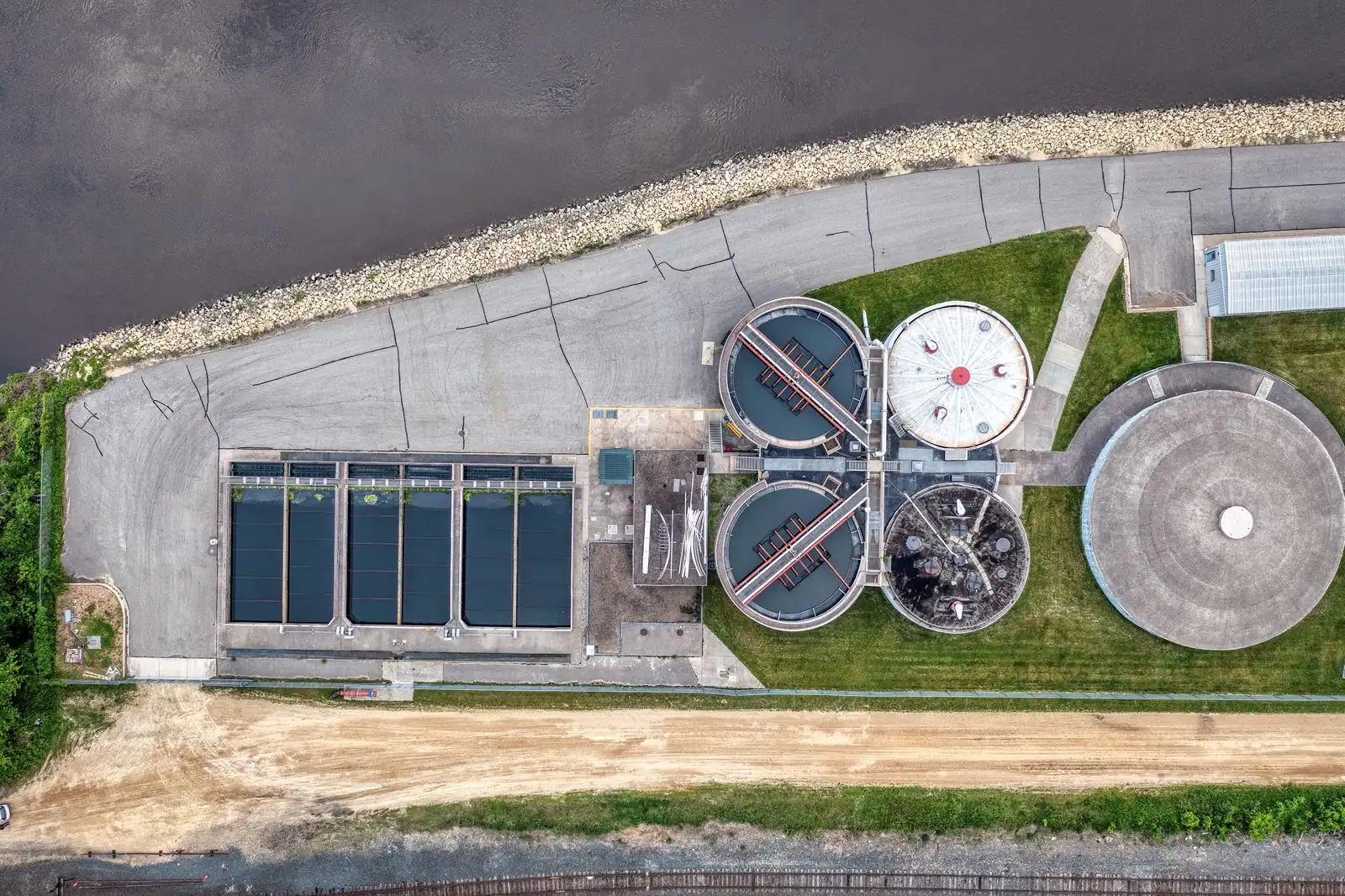
GOVERNMENT & PUBLIC WORKS
CMMS Software for Government & Public Works
A record that survives an audit.
Public buildings, vehicles, and infrastructure on one system, with work requests from any department and a maintenance history that stands up to review.
- Buildings, fleet, and infrastructure
- Free request submission
- Audit-ready records








WHAT CHANGES
What a CMMS changes for a public works team
Public works carries a wide asset base and a narrow budget. These are the four things teams tell us they are trying to fix.
Requests arrive from every department by phone and email, and there is no single record of what was promised.
One intake with the location attached, so a request has a trail from the moment it is made.
Buildings, vehicles, and infrastructure live in three separate systems maintained by three separate people.
One asset register across all of it, so a crew can see everything they are responsible for in one queue.
Audit and public records requests mean reconstructing months of work from paper.
Work orders carry timestamps, photos, and sign-offs, so the record is produced by doing the work.
Capital requests are argued on anecdote because nobody has the repair history.
Cost and failure history per asset support the request with something a council can read.
RESULTS
Results from public works teams
Measured across UpKeep customers in an independent Forrester study.
90%
Reduction in technician time spent filing work orders and finding asset information
KEY WORKFLOWS
Maintenance workflows across a public works department
Buildings, fleet, and infrastructure are one department’s responsibility. These are the hand-offs that matter.
A truck comes due for service
- Fleet Service is scheduled on mileage or hours across the whole fleet.
- CMMS The work order sits alongside the buildings and infrastructure work.
- Parts & Inventory Parts are consumed against the work order, keeping the yard inventory honest.
A pump station needs monitoring
NOVA
Build the report your council will read
Nova is UpKeep's AI assistant, and it builds apps. Describe the report or inspection form you need in plain language and Nova builds it against your own asset and work order data.
See how Nova works- What has each facility cost to maintain over the last three years?
- Build a bridge inspection form that records photos and a condition rating.
- Which vehicles are costing the most per mile to keep running?
PRODUCTS
Public works maintenance software features
These are apps, not an edition. Most departments start with the CMMS and add Fleet and Capital Planning as the asset register grows.
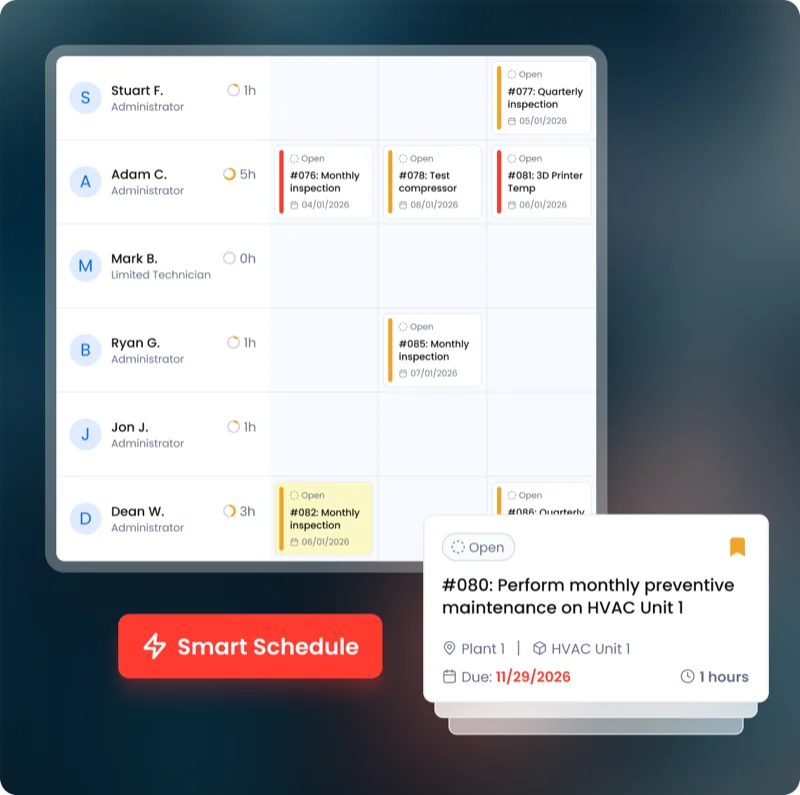 Maintenance CMMS
 Work orders, preventive maintenance, asset history, and parts. The system of record everything else hangs off.
Explore CMMS →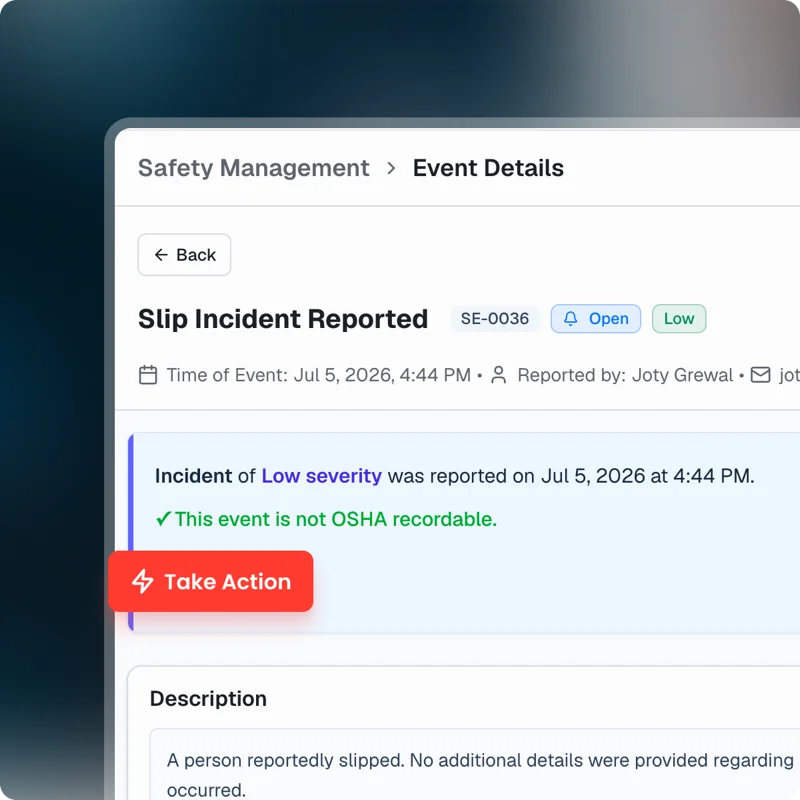 EHS Safety
 Incident capture from the floor by phone or voice, with OSHA 300, 300A, and 301 recordkeeping.
Explore Safety →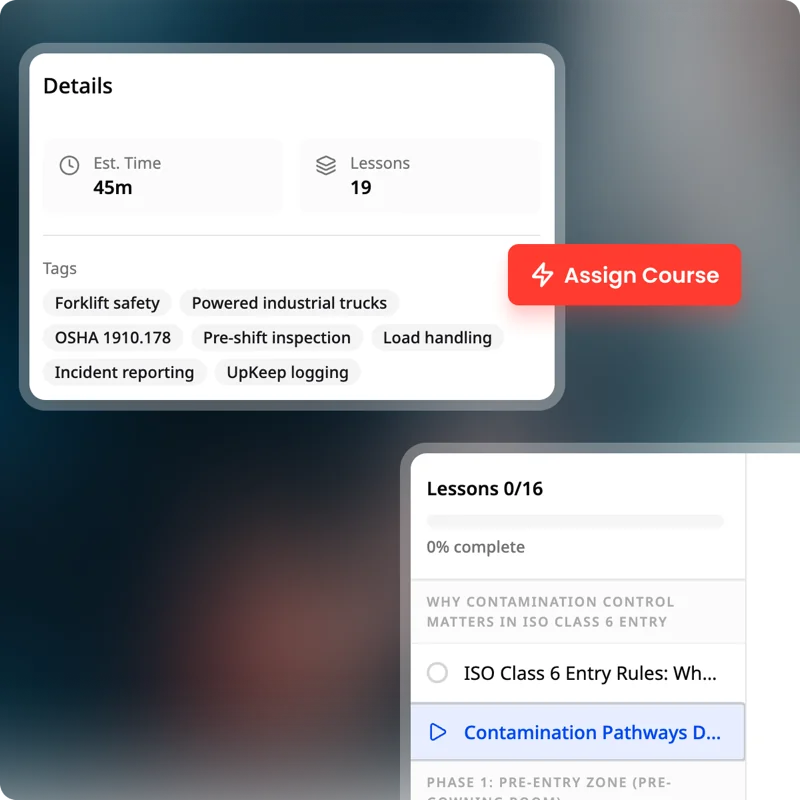 Training Learn
 Procedures, courses, and certifications tied to the people who do the work.
Explore Learn → Work Orders Take resident requests and internal work into one queue, routed by department, with a record for every job.
Preventive Maintenance Keep public works preventive maintenance on schedule, triggered by date, mileage, or hours run across facilities and fleet.
Asset Management Every asset with its history, cost, documents, and hierarchy, from the site down to the component.
Fleet Service plows, refuse trucks, and city vehicles on mileage or hours, so routes are covered through winter.
Facilities Space, occupancy, and building systems for teams that maintain property rather than production.
Parts & Inventory Spare parts, stock levels, and reorder points, consumed against the work order that used them.
Capital Planning Asset condition and replacement forecasting, so next year’s budget is based on real history.
Workforce Shifts, timecards, and labor cost against the work, so capacity is visible before you commit it.
Nova The AI assistant that answers questions about your data and builds custom apps from a description.
CUSTOMER STORIES
Teams running maintenance on UpKeep

Keeps kitchen equipment running across a footprint measured in thousands of sites.
Chick-fil-A
Read the story →
One operator runs maintenance across every restaurant he owns from a phone.
McDonald's
Read the story →
Moved campus crews off paper and onto digital preventive maintenance and work orders.
Caltech
Read the story →
Standardized maintenance across one of the largest custom restorative labs in the world.
Glidewell
Read the story →
Moved from 60% reactive work to 20% by putting every asset on a recurring PM schedule.
Industrial manufacturer
Read the story →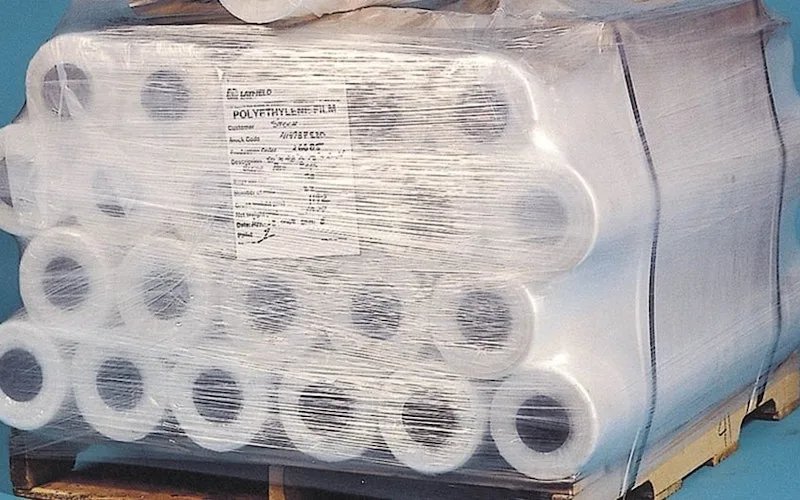
Shifted work from reactive to preventive and brought maintenance costs down with it.
Layfield Group
Read the story →
Replaced paper tracking and manual data entry across the plant using Nova.
Sprinturf
Read the story →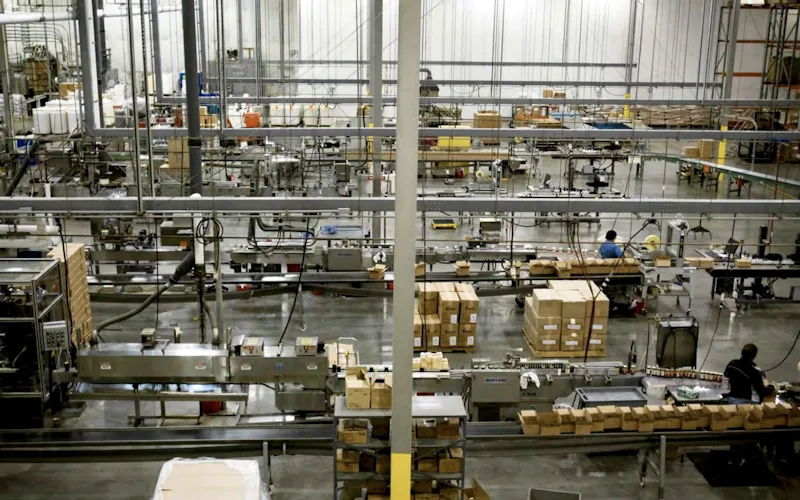
Moved maintenance off paper and onto a system the whole team can see.
Old Trapper
Read the story →Public works maintenance software: common questions
What is public works maintenance software?
It is the system a municipality uses to take in work requests, schedule preventive maintenance across buildings, vehicles, and infrastructure, and keep a maintenance record that stands up to audit or a public records request.
The defining feature of public works is breadth: one team is often responsible for facilities, a fleet, and infrastructure at the same time.
Does UpKeep work with our GIS?
It can consume location data through the API, and assets carry location. But this is worth being straightforward about: if your work is fundamentally GIS-driven, linear assets mapped in Esri, work dispatched off the map, dedicated GIS-centric platforms integrate far more deeply.
UpKeep is strongest for departments whose asset base is buildings, plant, and vehicles rather than linear networks.
Can UpKeep handle capital planning?
It handles the part that comes from maintenance: asset condition, repair history, and cost, through Capital Planning. That supports a capital request with real numbers.
Formal long-range capital programmes with funding scenarios and public reporting are usually run in a dedicated system, and UpKeep feeds it rather than replacing it.
Can other departments submit requests?
Yes. Anyone can submit from a phone or a QR code with no account and no paid seat, and the facility and location come attached.
How much does UpKeep cost for a municipality?
UpKeep is priced per user per month, based on the people creating and closing work orders rather than the size of the asset register. Requesters are free. See the pricing page for current tiers.
Does it manage our vehicle fleet?
Yes, through Fleet. Trucks, plows, and equipment are maintained on mileage or hours, with the work orders in the same queue as facilities work.
How long does implementation take?
Weeks. Most departments start with one asset class, usually facilities or the fleet, get the work order habit established, then bring the rest of the register in using the same templates.
FREE RESOURCES
Go deeper on maintenance
Practical guides and research from the UpKeep team. No cost, no sales call required.
 Guide
GuideThe Reliability Playbook: Capturing 20 Years of Know-How Before It Walks Out the Door
A fully staffed plant still loses hours to failures a retired technician would have caught in minutes. This playbook reframes the problem: knowledge is disappearing because no system was built to capture it. It lays out a three-part framework for closing that gap and shows what changed at one plant that stopped hiring its way out and instead started capturing what its people already knew.
Get the guide Report
The 2026 State of Maintenance Report
This year's report reflects a fundamental shift in how maintenance creates competitive advantage. While 90% of teams recognize what drives reliability, only 25% can consistently execute it. The gap between knowing and doing has become the defining challenge and opportunity of 2026.
Get the report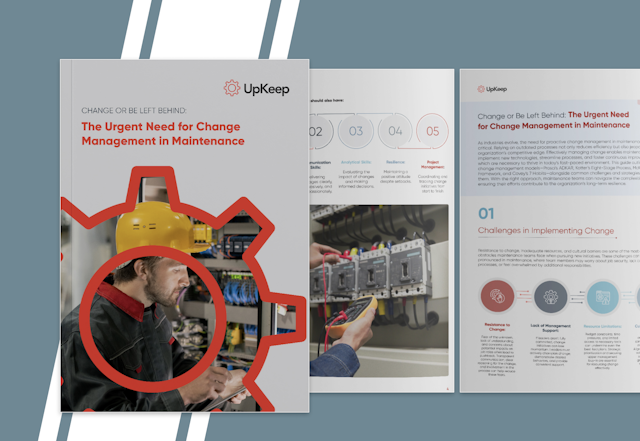 Guide
GuideChange or Be Left Behind: The Urgent Need for Change Management in Maintenance
Effectively managing change enables maintenance teams to implement new technologies, streamline processes, and foster continuous improvement, all of which are necessary to thrive in today’s fast-paced environment. This guide outlines essential change management models
Get the guide
GET STARTED
See it against your own asset register
We will walk through your facilities, your fleet, and the requests that are hardest to keep track of.