
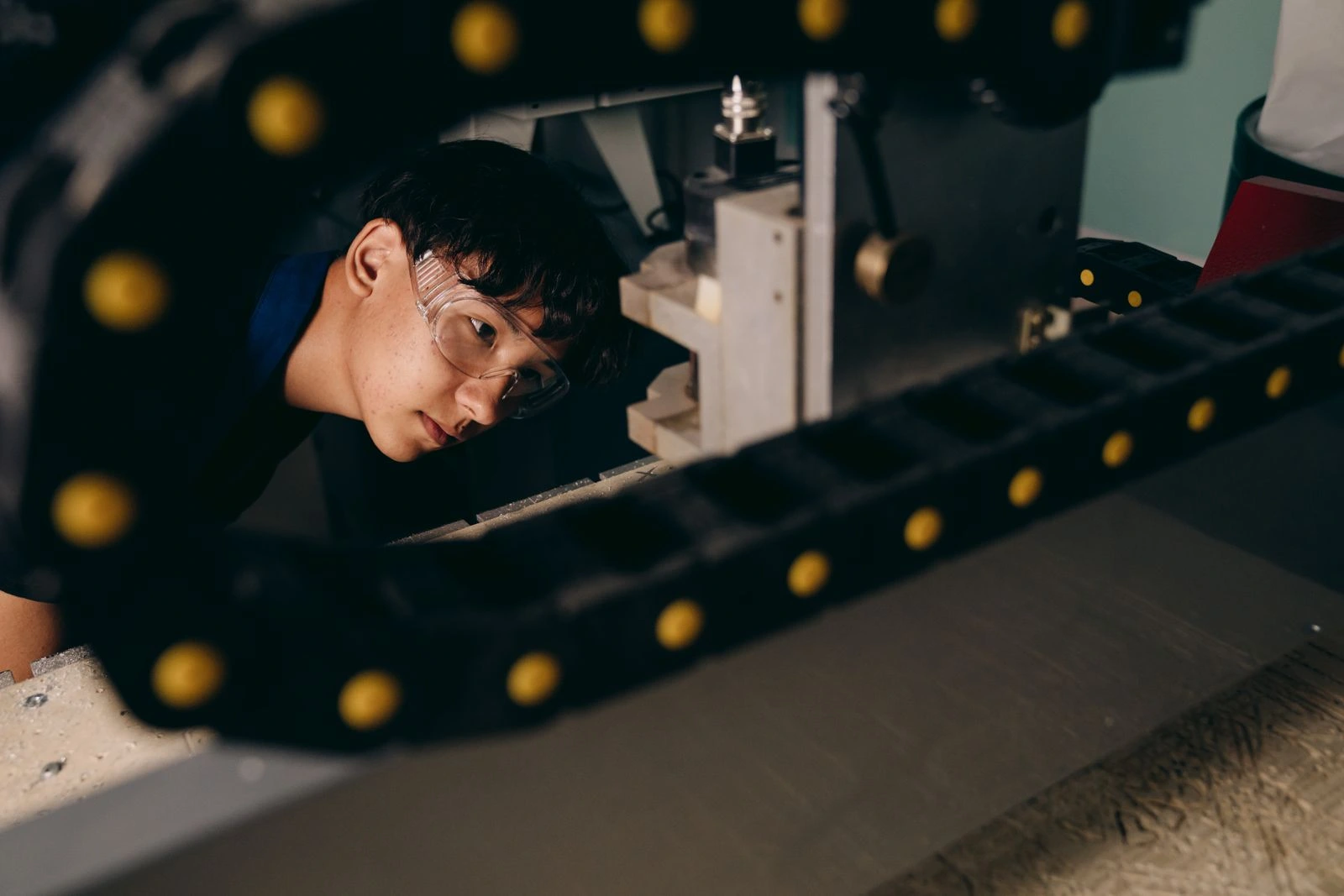
FOR RELIABILITY TEAMS
CMMS Software for Reliability Teams
Failure history is only useful if somebody recorded it properly.
Failure codes, MTBF and MTTR built out of work that is already being recorded, with condition data from your own sensors sitting on the same asset rather than in a separate tool.
- MTBF and MTTR from the record
- First-party sensors
- Failure codes on close








WHAT CHANGES
What a reliability program needs before it can start
Most reliability work stalls on data quality rather than on method. These are the four things that decide whether the analysis is worth running.
Work orders close with "fixed" in a free-text box, so there is nothing to analyze.
Failure codes are captured on close as part of the job, so the history is structured from the start.
Condition data lives in a sensor vendor portal and the work history lives somewhere else.
Readings and work sit on the same asset, so a trend and the repairs against it are in one place.
PM intervals were set years ago by a copy of the OEM manual and never revisited.
Intervals are adjusted against what actually failed, and the change is visible in the record.
Nobody can tell whether the program worked, so it gets cut in the next budget.
MTBF, MTTR and PM compliance come out of the same record the technicians are already updating.
RESULTS
What the record makes possible
Measured across UpKeep customers in an independent Forrester study.
90%
Reduction in technician time spent filing work orders and finding asset information
KEY WORKFLOWS
From a reading to a changed interval
A reliability program is only as good as the data underneath it. This is where that data comes from.
A recurring failure gets investigated
An audit asks for evidence
NOVA
Ask the reliability question directly
Nova is UpKeep's AI assistant, and it builds apps. Describe the analysis you need in plain language and Nova builds it against your own failure and work order history.
See how Nova works- What is MTBF by asset class this year against last?
- Build a failure code summary for the top twenty critical assets.
- Which PMs are we completing late, and on what equipment?
PRODUCTS
What reliability teams run on
These are apps, not an edition. Reliability usually needs the condition data and the analysis alongside the CMMS.
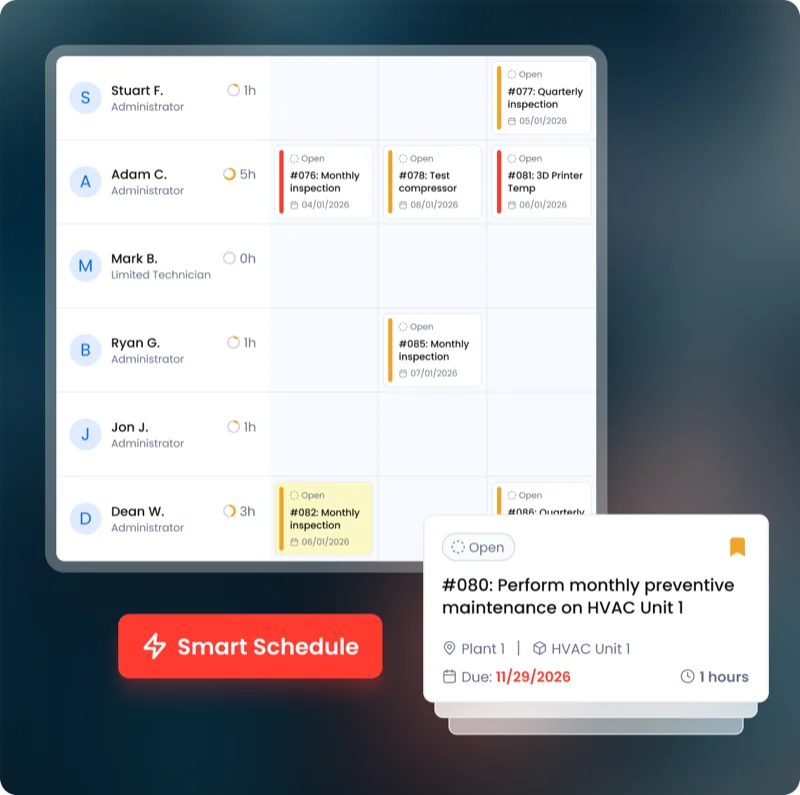 Maintenance CMMS
 Work orders, preventive maintenance, asset history, and parts. The system of record everything else hangs off.
Explore CMMS →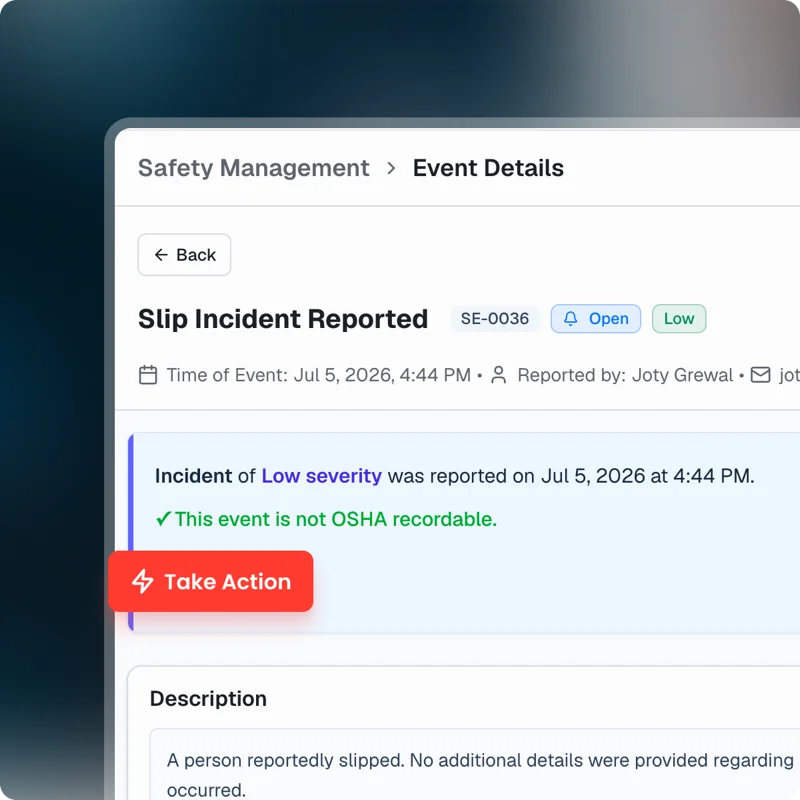 EHS Safety
 Incident capture from the floor by phone or voice, with OSHA 300, 300A, and 301 recordkeeping.
Explore Safety →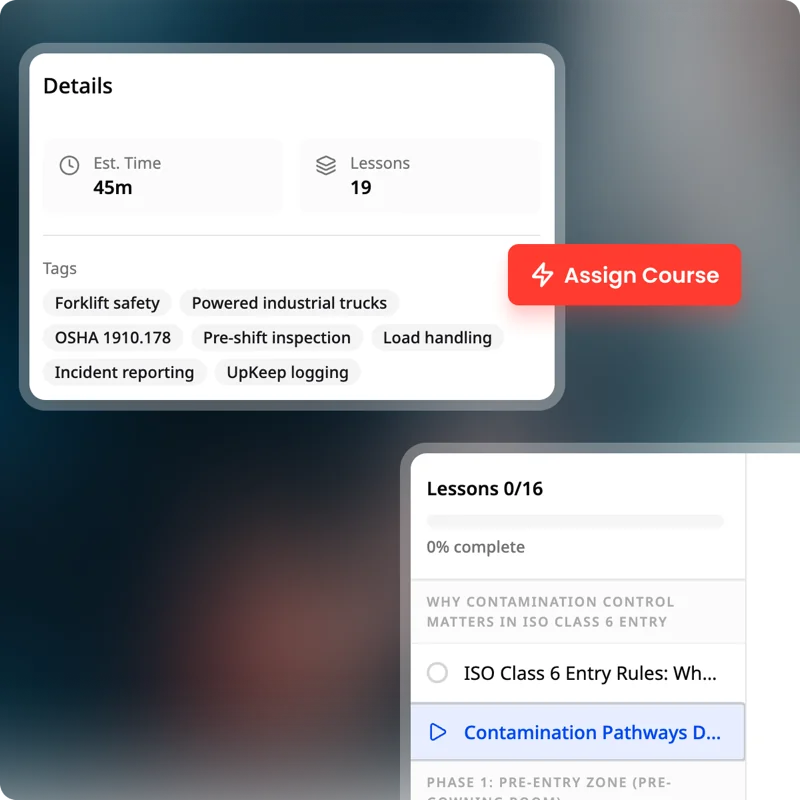 Training Learn
 Procedures, courses, and certifications tied to the people who do the work.
Explore Learn → Edge Sensors Wireless condition-monitoring sensors. A reading outside your range opens a work order on its own. Explore → Analytics & Reporting Dashboards and reports on maintenance performance, without exporting to a spreadsheet. Explore → Preventive Maintenance PM schedules that trigger on dates, meter readings, or hours run, so work happens before the failure. Explore → Asset Management Every asset with its history, cost, documents, and hierarchy, from the site down to the component. Explore → Quality Inspections, non-conformances, and corrective actions against the asset that produced the defect. Explore → Capital Planning Asset condition and replacement forecasting, so next year’s budget is based on real history. Explore → Nova The AI assistant that answers questions about your data and builds custom apps from a description. Explore →
CUSTOMER STORIES
Teams running maintenance on UpKeep

Keeps kitchen equipment running across a footprint measured in thousands of sites.
Chick-fil-A
Read the story →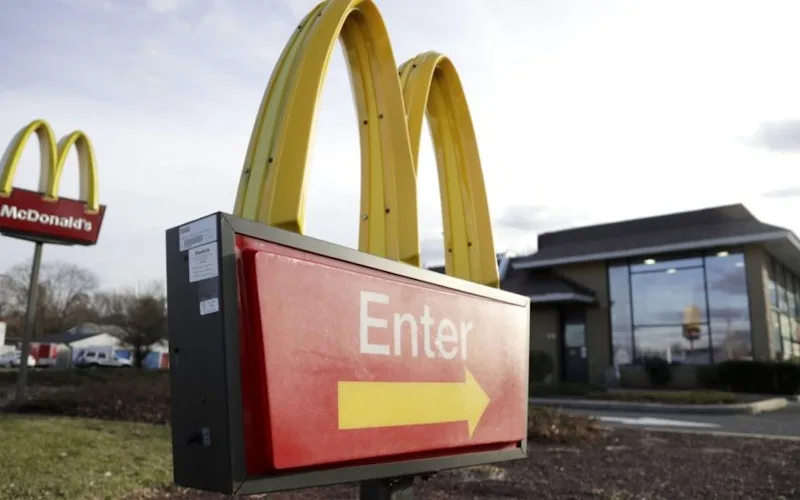
One operator runs maintenance across every restaurant he owns from a phone.
McDonald's
Read the story →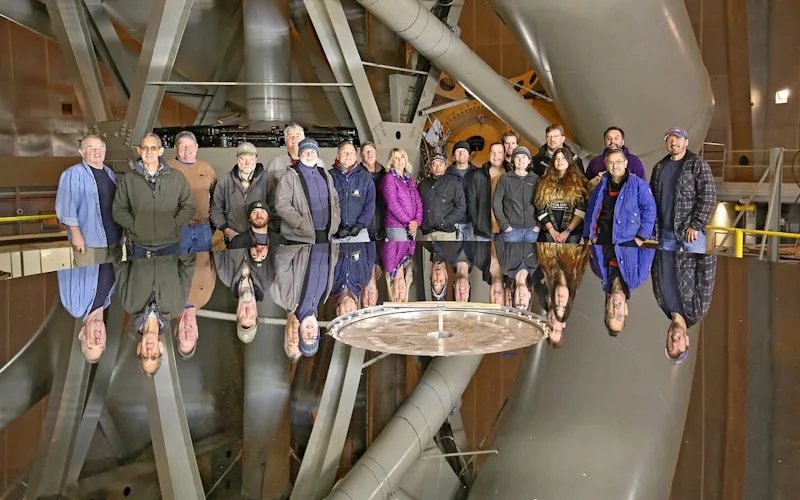
Moved campus crews off paper and onto digital preventive maintenance and work orders.
Caltech
Read the story →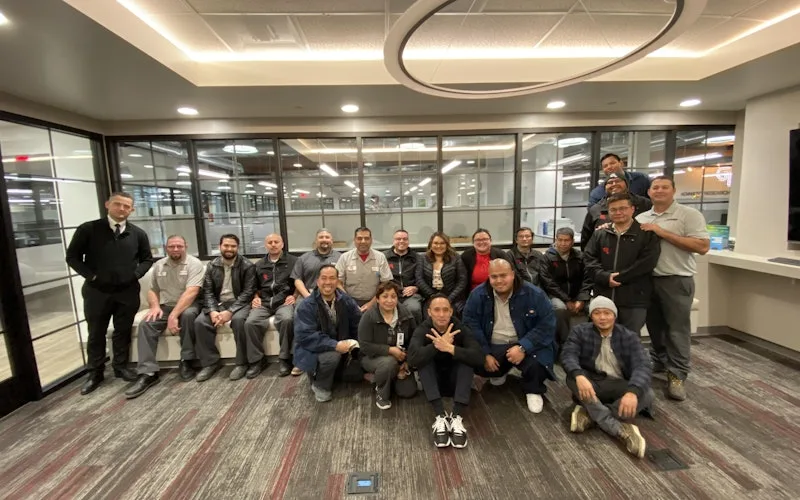
Standardized maintenance across one of the largest custom restorative labs in the world.
Glidewell
Read the story →
Moved from 60% reactive work to 20% by putting every asset on a recurring PM schedule.
Industrial manufacturer
Read the story →
Shifted work from reactive to preventive and brought maintenance costs down with it.
Layfield Group
Read the story →
Replaced paper tracking and manual data entry across the plant using Nova.
Sprinturf
Read the story →
Moved maintenance off paper and onto a system the whole team can see.
Old Trapper
Read the story →CMMS for reliability teams: common questions
Can we calculate MTBF and MTTR without extra work from technicians?
Yes, provided work orders close with a failure code and real timestamps. Both metrics are derived from the record rather than entered separately.
If technicians are closing jobs with free text today, that is the thing to fix first. No tool computes reliability metrics from "fixed".
Do we have to buy your sensors?
No. Edge is first-party hardware and it is the shortest path, because the readings land on the asset with no integration work. Existing sensors and historians can be brought in by API instead.
Does UpKeep support RCM or criticality analysis?
It holds the inputs, asset hierarchy, criticality, failure history, PM compliance, and Nova will build the views you want on top. It does not ship a prescribed RCM methodology, and any vendor claiming to automate RCM is overselling it.
Can we adjust PM intervals based on what actually failed?
Yes, and the change is dated in the record so you can tell later whether it helped. That is the part usually missing when intervals are edited in a spreadsheet.
What does UpKeep not do for reliability?
It is not a vibration analysis platform and it is not a simulation or FMEA modeling tool. It records condition, work and failure history, and hands the specialist analysis to the specialist tool.
FREE RESOURCES
Go deeper on maintenance
Practical guides and research from the UpKeep team. No cost, no sales call required.
 Guide
GuideThe Reliability Playbook: Capturing 20 Years of Know-How Before It Walks Out the Door
A fully staffed plant still loses hours to failures a retired technician would have caught in minutes. This playbook reframes the problem: knowledge is disappearing because no system was built to capture it. It lays out a three-part framework for closing that gap and shows what changed at one plant that stopped hiring its way out and instead started capturing what its people already knew.
Get the guide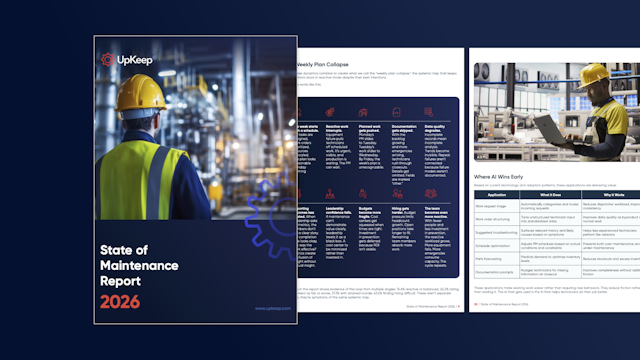 Report
The 2026 State of Maintenance Report
This year's report reflects a fundamental shift in how maintenance creates competitive advantage. While 90% of teams recognize what drives reliability, only 25% can consistently execute it. The gap between knowing and doing has become the defining challenge and opportunity of 2026.
Get the report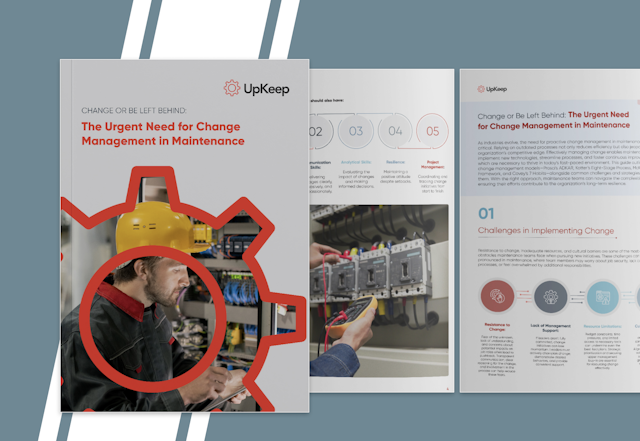 Guide
GuideChange or Be Left Behind: The Urgent Need for Change Management in Maintenance
Effectively managing change enables maintenance teams to implement new technologies, streamline processes, and foster continuous improvement, all of which are necessary to thrive in today’s fast-paced environment. This guide outlines essential change management models
Get the guide
GET STARTED
See it against your own failure history
Bring an asset that keeps failing. We will walk through what its record would look like, and what you could ask of it.