Entrada en el Blog
La función de la tecnología de sensores en la revolución de la mantención preventiva.
Mientras que las tareas de mantenimiento preventivo siempre tendrán su lugar en un programa de gestión de activos integral, las tecnologías de sensores de mantenimiento predictivo de hoy prometen revolucionar la forma en que se maneja el mantenimiento preventivo y elevar aún más el nivel de rendimient


Leadership Strategies in Maintenance and Reliability
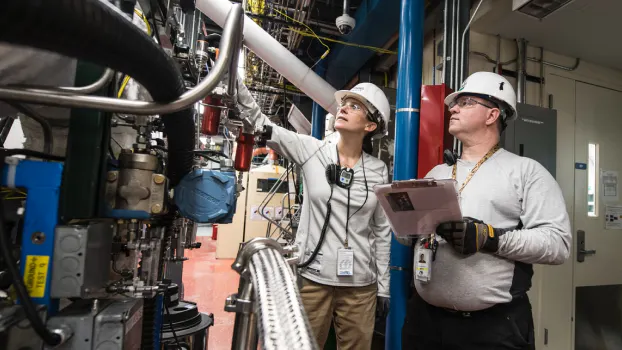
Effective leadership is a cornerstone for achieving excellence in maintenance and reliability. This, in turn, affects the company’s bottom line. In fact, according to a Gallup poll, companies reported 147 percent higher earnings per share when their number of talented managers increases and the rate of engaged employees doubles. For manufacturers, great leadership encourages technicians to strive to optimize their processes, reduce downtime, and enhance overall efficiency.
The following are some key leadership strategies that successfully empower teams to navigate challenges, foster innovation, and drive success in the ever-evolving landscape of maintenance and reliability.
Have a Clear Vision
Scores of business books and training programs are available to help organizations create their long-term vision. Why? Because successful leaders in maintenance and reliability must exhibit a visionary approach by articulating a clear and inspiring vision for the future.
For a vision to be effective, leaders must align the team's efforts with the organization's overall goals, emphasizing the importance of maintenance and reliability in achieving operational excellence. It’s important to consider industry standards, best practices, and evolving technologies in building your vision. Then, communicating this vision effectively creates a sense of purpose and direction for everyone, motivating team members to contribute to the realization of shared objectives.
Shift the Balance to Proactive Maintenance
For years, we’ve discussed the importance of proactive vs. reactive maintenance. It’s clear why reactive or emergency maintenance practices are not only more costly but also create a stressful workplace culture. Yet, according to UpKeep’s 2024 State of Maintenance report, nearly half of all surveyed companies are still reporting that less than half of their maintenance is planned.
Leadership in maintenance and reliability, therefore, must continue to shift to a proactive approach to planning and execution. Effective leaders understand the significance of preventive and predictive maintenance strategies, as opposed to solely relying on reactive measures. By implementing robust planning processes and leveraging data-driven and sensor technology for condition monitoring, leaders can optimize asset performance, reduce unplanned downtime, and enhance overall reliability.
Embrace Data-Driven Decision Making
As an industry, we have more data than ever, and leaders must harness the power of that data to inform decision-making processes. Establishing a culture that values data-driven insights enables leaders to make informed choices regarding maintenance strategies, resource allocation, and equipment performance. This may involve implementing advanced analytics, predictive modeling, and incorporating Internet of Things (IoT) technologies to gather real-time data for more accurate decision-making.
Many of our customers are taking advantage of DataHub, which is a powerful tool that helps them centralize and visualize all their maintenance data in one place. This allows leaders to identify trends, track KPIs, and make data-driven decisions to improve their maintenance program. This integrated and centralized data ecosystem successfully collects asset data, standardizes that data into common data models, and automates data-driven asset operations.
Empower and Develop Employees
Leadership strategies in maintenance and reliability should prioritize the empowerment and continuous development of team members. This involves providing opportunities for skill development, training, and fostering a culture of learning. Empowered teams are more likely to take ownership of their roles, contribute innovative ideas, and collaboratively address challenges, ultimately driving improvements in maintenance and reliability practices.
Unfortunately, Gallup reported seeing a “concerning trend is the decrease in employees who feel connected to their organization’s mission and purpose” overall in the workplace. This presents a greater challenge to today’s leaders. Fortunately, within maintenance and reliability, many advanced technologies are designed to provide the tools and data to allow every team member to make data-driven decisions that can contribute to the overall success of the company.
Communicate Effectively and Recognize Success
Clear and effective communication is a cornerstone of successful leadership in any organization, but particularly in maintenance and reliability. Leaders should ensure that objectives, expectations, and changes in processes are communicated transparently to the team. Regular team meetings, open channels for feedback, and creating a culture where everyone's input is valued contribute to an environment of trust and collaboration.
Be sure to find physically visible ways to share short-term goals within a department or production line, share and communicate success stories of technicians who embody the culture you are seeking to create, and reward employees regularly.
Be Adaptable and Manage Constant Change
Leaders in maintenance and reliability must be adaptable and adept at managing change. The industry is constantly evolving with new technologies, regulations, and best practices emerging regularly. In fact, one of the most significant challenges for today’s maintenance and reliability leaders is to not only deal with the fact that experienced technicians are retiring at a rapid rate but that advanced technologies are causing a significant skills gap.
Leaders who embrace these and other industry changes while being able to foster a culture of innovation will be valued and successful. Finding ways to guide teams through the inevitable transitions of the future will position their organizations for long-term success.
Conclusion
The bottom line is that effective leadership is the catalyst for success. Visionary leaders who prioritize proactive planning, leverage data, empower their teams, communicate effectively, and embrace adaptability are well-equipped to navigate the complexities of the industrial landscape. By implementing these strategies and the technologies that support them, organizations can build resilient maintenance and reliability teams that contribute significantly to overall operational excellence and business success.
¿Quieres seguir leyendo?



Artículo
T2:E2 5 Hábitos de un Ingeniero de Confiabilidad Extraordinario con Peter Horsburgh
Artículo
Episodio 6: Consejos para establecer una cultura de confiabilidad dentro de su organización con LaWayne Smith


Artículo
S2:E29 Liderazgo en confiabilidad y cultura organizacional con Joe Adam
MÁS DE 4000 EMPRESAS CONFÍAN EN LA GESTIÓN DE OPERACIONES DE ACTIVOS
Liderando el camino hacia un futuro mejor para el mantenimiento y la confiabilidad
Los datos de sus activos y equipos no pertenecen a un silo. UpKeep simplifica ver dónde se encuentra todo, todo en un solo lugar. Eso significa menos conjeturas y más tiempo para concentrarse en lo que importa.






![[Review Badge] Gartner Peer Insights (Dark)](https://www.datocms-assets.com/38028/1673900494-gartner-logo-dark.png?auto=compress&fm=webp&w=336)