Entrada en el Blog
Which Sensors Are Best for My Industry?
Predictive maintenance solutions like sensors help businesses track and monitor critical assets, which can help minimize downtime, reduce costs, and flag issues before they become major costly repairs. In order to maximize your return on investment, it’s important to select those sensors that track the most critical measures of your most valuable equipment.


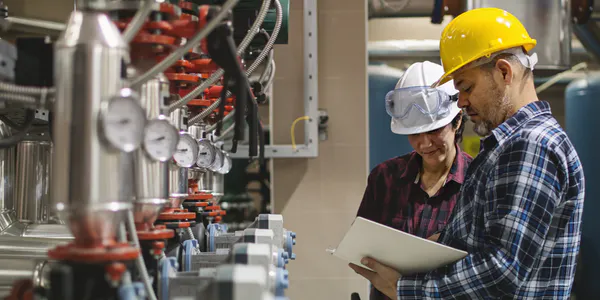
Prioritize the remote monitoring solutions with the largest ROI potential for your market
Predictive maintenance solutions like sensors help businesses track and monitor critical assets, which can help minimize downtime, reduce costs, and flag issues before they become major costly repairs. In order to maximize your return on investment, it’s important to select those sensors that track the most critical measures of your most valuable equipment.
Here are some of the most important sensor applications by industry to consider:
Manufacturing
Whether you’re running a handful or hundreds of production lines, keeping your manufacturing equipment operating optimally is critical to maximizing production and reducing downtime. Important sensors in this industry include:
Vibration sensors can monitor the condition of rotating machinery such as motors, pumps, and fans, indicating when repair or replacement may be needed.
Temperature sensors can alert you when equipment exceeds a certain range, which may signal impending failures of motors or electrical systems.
Pressure sensors can help you track hydraulic and pneumatic systems, potentially detecting leaks or damaged components.
Current sensors measure electrical current flowing through motors or other assets and can identify deviations that may indicate faults.
Using these sensors in a manufacturing environment means that alerts can be sent as unusual activity occurs, allowing needed maintenance to be scheduled immediately. This is far more efficient and effective than relying on periodic inspections that may or may not catch potential problems before major repairs are warranted.
Food and Beverage
Predictive maintenance sensors can be invaluable in the food and beverage industry where even brief deviations in measures such as temperature and humidity can degrade the quality or completely destroy products. Sensors providing 24/7 monitoring mean that maintenance teams can be alerted as soon as important measures fall out of range, initiating swift work orders and avoiding major product losses.
Temperature and humidity sensors can monitor refrigerators, freezers, other food storage areas, and processing equipment to ensure proper temperature and humidity levels, preventing spoilage and maintaining food quality.
Flow sensors can measure the rates of liquids or gasses in pipelines, which are often key components in food production. These sensors can detect blockages, leaks, or inefficient processes, helping a maintenance team prioritize inspection and repairs to minimize damage.
pH sensors can monitor the acidity or alkalinity of liquids during food and beverage production, ensuring consistency and quality of final products.
According to an article in Forbes, using predictive technologies such as internet of things sensors not only has an impact on individual food and beverage manufacturers but also reduces global food waste and the industry’s overall carbon footprint.
Property Management
When you’re responsible for tracking all those myriad of details required to keep a residential property, commercial building or industrial facility running smoothly, IoT sensors can be a tremendous asset to your maintenance team.
HVAC-related sensors can monitor temperature, humidity, and air quality in buildings, helping to optimize energy usage and detect potential issues with heating, ventilation, and air conditioning systems.
Water sensors can detect leaks in areas prone to plumbing failures or flooding, alerting your maintenance team as soon as a leak occurs. This can prevent costly and significant water damage as well as long-term mold problems in your buildings.
Occupancy sensors can track individual room occupancy and usage patterns, helping you to optimize lighting, heating, and cooling energy resources efficiently.
Motion detector sensors are often used to increase security throughout buildings, automatically activating when people occupy a specific area.
When alerts are automatically sent to a maintenance manager’s mobile device, these sensors can serve as an automated virtual team, keeping watch of your most critical equipment around the clock.
Fleet Management
Taking care of a fleet of cars, trucks, or even warehouse vehicles can be a significant responsibility. Most fleet managers rely on a time- or usage-based maintenance schedule, performing things like oil changes, brake replacement, or various inspections at intervals not related to the actual performance of the vehicle. Sensors can help a fleet maintenance team prioritize those vehicles that need immediate attention. In addition, sensors can also protect valuable cargo and boost driver safety.
Temperature sensors can be particularly valuable if fleets are carrying sensitive cargo such as food, beverages or pharmaceuticals. Drivers can be alerted immediately if cargo temperatures fall out of range.
Tire pressure sensors can prevent blowouts and extend tire lifespan. When tires are kept at the ideal pressure, drivers can also reduce their fuel consumption.
Engine oil analysis sensors can analyze the quality and condition of engine oil to identify signs of wear, contamination, or insufficient lubrication.
GPS trackers can provide real-time location data for vehicles, enabling efficient route planning, monitoring driver behavior, and optimizing fleet utilization.
Healthcare
It’s easy to see why sensors have played a major role in healthcare for years as they can alert doctors and nurses of a potential life-threatening patient situation. However, sensors can go beyond medical applications to help manage hospital HVAC and air quality, storage of pharmaceuticals, and building integrity.
Medical equipment sensors monitor patient vital signs, such as heart rate, blood pressure, and oxygen levels, providing early warnings for potential complications.
Temperature and humidity sensors help ensure proper storage conditions for medications, vaccines, and perishable medical supplies, preventing spoilage and increasing safety.
Water sensors can detect leaks within a hospital’s plumbing and water system, alerting maintenance of emergency repairs before major damage or mold growth occurs.
Sensor technology will continue to evolve, providing more businesses with the technology they need to track their most critical assets. Many of these sensor solutions can be extremely useful; be sure to select those that can generate the greatest return on investment for your particular industry. UpKeep Edge offers battery-powered, wireless sensors that work right out of the box, sending critical data to your maintenance team within minutes.
¿Quieres seguir leyendo?


Artículo
Borde de mantenimiento | Acelere la madurez, mejore la toma de decisiones



Artículo
UpKeep Edge funciona con Microsoft Azure



Artículo
Sensores para la gestión de almacenamiento en frío en la fabricación
MÁS DE 4000 EMPRESAS CONFÍAN EN LA GESTIÓN DE OPERACIONES DE ACTIVOS
Liderando el camino hacia un futuro mejor para el mantenimiento y la confiabilidad
Los datos de sus activos y equipos no pertenecen a un silo. UpKeep simplifica ver dónde se encuentra todo, todo en un solo lugar. Eso significa menos conjeturas y más tiempo para concentrarse en lo que importa.






![[Review Badge] Gartner Peer Insights (Dark)](https://www.datocms-assets.com/38028/1673900494-gartner-logo-dark.png?auto=compress&fm=webp&w=336)