Entrada en el Blog
Exploración de programas de mantenimiento preventivo para equipos de fabricación
Esto es lo que dijeron algunos expertos sobre los programas de mantenimiento preventivo y sus recomendaciones para desarrollar su estrategia.





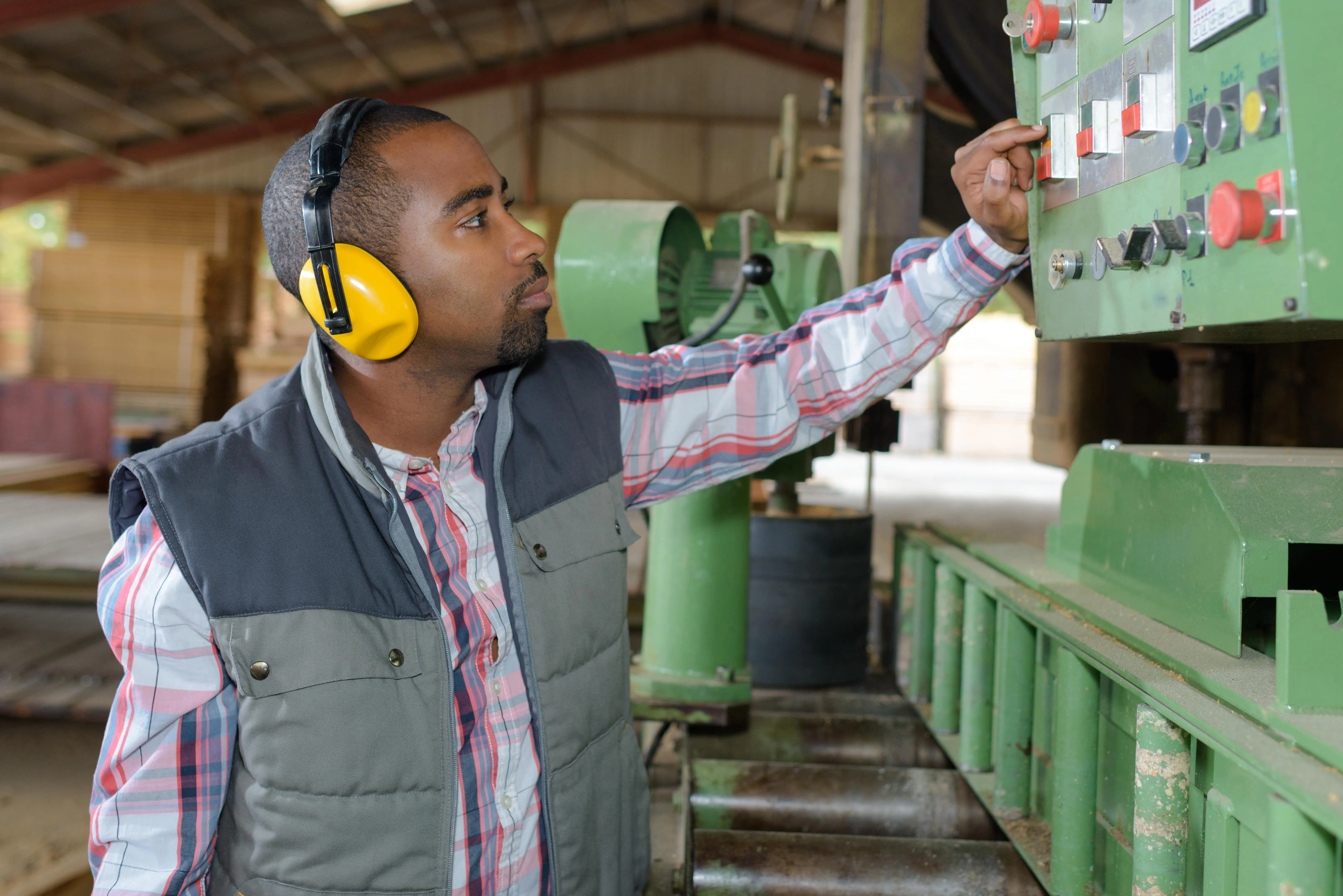
Preventive maintenance schedules are often included in equipment manuals. They lay out the groundwork for a regular schedule of maintenance, inform workers of common situations that may occur, and appear to cover the ins and outs of your maintenance schedule for the future. If multiple pieces of equipment are used, a master schedule is generally created to track and maintain the equipment as needed.
But is that all that is needed? In UpKeep’s discussion with maintenance and operations experts, many professionals informed us that maintenance schedules do not always fill the maintenance needs of the equipment or facilities in question. Depending on the schedule in question, it may or may not take into account the factors necessary to keep your equipment in optimal condition.
Here is what some experts had to say on preventive maintenance schedules and their recommendations for fleshing out your strategy.
Limitations of Preventive Maintenance Schedules
“Equipment PM intervals depend greatly on service, criticality, manufacturer, and design. Many of our PM intervals are specific to that one single piece of equipment, and that has been optimized after operating for many years.”
-Dave Ingham, Maintenance Engineer
“The schedule is just one variable in PM optimization. The schedule really can be driven by condition, failures reported, regulations, policy, or by a recommendation. But that last one is many times the least effective in driving the PM schedule and tasks. They really need to be based on preventing/addressing failures. They are also best when specific to asset class or type, or component level. ”
-Joe Lonjin, Performance Management Consultant
UpKeep Tips:
It’s worth noting that both of these professionals speak to the limitations of preventive maintenance schedules. Consider expanding your preventive maintenance to include a wider strategy and a range of techniques to keep your equipment in top shape.
Allow flexibility in the schedules as needed. The equipment and its needs should drive the schedule, not the other way around. If something doesn’t make sense, examine it and see what could be changed in order to improve, streamline, or enhance the process.
Additions to Facilitate Optimization
“I would be careful with just listing maintenance schedules. A preventive maintenance program should be derived from analyzing relevant failure modes and the likelihood and consequences of those potential failures. The failure of exactly the same equipment could lead to a major impact in one manufacturing operation and yet have very little impact in another.
“And so there should be very different maintenance programs for essentially the same equipment. Equipment manuals are a starting point at best. Those manuals typically focus on minimizing the risk to a manufacturer during a warranty period and usually don’t focus on ensuring value for the actual equipment owner.”
-Erik Hupje, Maintenance and Reliability Manager
"In offshore business, before performance and achieving long asset lifespan, we prioritize safety aspects. Our most valuable preventive maintenance actions focus on protecting equipment integrity from so-called "cliff events" that should never occur: equipment or attached assembly falls off, uncontrolled movement, release of chemicals, and uncontrolled release of energy. For that, we have short but focused checklists to be performed by the crew."
-Julian Zec, Senior Program Manager - Maintenance Optimization/Predictive Maintenance
UpKeep Tips:
Don’t be afraid to change the preventive maintenance schedule or strategy to fit the employee and company needs.
Value may be added by small actions taken during routine preventive maintenance. Consider what your maintenance schedule is optimized around and whether or not that provides the best value for the facility and company in question.
Listening to the Equipment
“I listen to the equipment. First, I split up the needed maintenance into wear-related items and non-wear-related items. I then pick a timeframe to do the wear-related items that makes sense in how the equipment is used and can be measured.
For example, I have used cycle counts for press bars to inspect for scoring and grease instead of the manufacturer's recommended items. I then try to get rid of as many non-wear-related items with condition-based preventive maintenance tasks, such as oil sampling, thermography, or vibration analysis."
-Clint Mileur, Facilities Management Consultant
UpKeep Tips:
Consider a multi-prong approach to your preventive maintenance. Some “prongs” to consider might include time, wear, cycles run, lifespan, and more.
Schedules don’t always include room for the unexpected. If something seems “off” or unusual, it may be time to check it out, regardless of the checklist or guidelines in place.
Finding the Balance
With that advice in front of us, how can companies find the balance between streamlining their maintenance and making sure that everything gets done in a timely manner? The short answer is by optimizing their processes.
Sadly, this is highly dependent on the company in question. Some smaller companies’ optimization may look like a larger company’s nightmare. In order to optimize your company, it’s best to start with these basic guidelines:
Determine the most critical assets
Match your employees with the company needs
Schedule the work orders
Shift recurring work orders into the daily schedule.
The most important thing is to maintain an appropriate level of flexibility while standardizing your processes in order to streamline your daily operations.
This may seem trite, but it’s a good way to sum up the goal, obstacles, and the path to optimizing your preventive maintenance schedules and strategies.
To learn more about preventive maintenance, be sure to check out our Ultimate Guide to Preventive Maintenance! You can download the guide by clicking the banner below.



¿Quieres seguir leyendo?



Artículo
Cómo crear una lista de verificación de mantenimiento preventivo


Artículo
7 consejos para un mejor programa de mantenimiento preventivo


Artículo
Ejemplos de mantenimiento preventivo que ahorran y desperdician dinero
MÁS DE 4000 EMPRESAS CONFÍAN EN LA GESTIÓN DE OPERACIONES DE ACTIVOS
Liderando el camino hacia un futuro mejor para el mantenimiento y la confiabilidad
Los datos de sus activos y equipos no pertenecen a un silo. UpKeep simplifica ver dónde se encuentra todo, todo en un solo lugar. Eso significa menos conjeturas y más tiempo para concentrarse en lo que importa.






![[Review Badge] Gartner Peer Insights (Dark)](https://www.datocms-assets.com/38028/1673900494-gartner-logo-dark.png?auto=compress&fm=webp&w=336)