Blog Post
Top 6 Food & Beverage Manufacturing Trends for 2023
The aftermath of the pandemic continues to impact the food and beverage industry. Using trends as a guide, businesses must adjust to these changes.


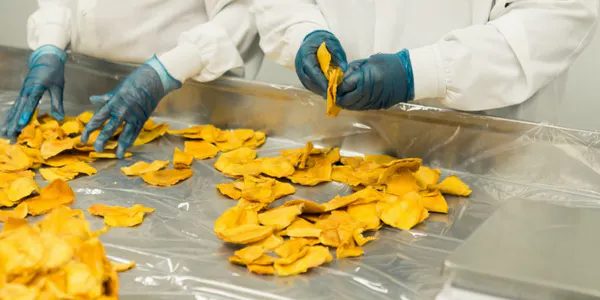
Food and beverage companies create products we literally can’t live without, making their industry one of the largest and most profitable. But because of that, the industry is also competitive. And because statistics point to ways in which businesses can attain greater success, they must make a greater effort to keep track of industry trends and take advantage of them.
Many changes have occurred in the past few years that have influenced these trends. The pandemic, for instance, contributed to labor shortages, material shortages, online shopping options, and inflation, which have all changed the food and beverage industry in various ways. Other trends, like sustainability and plant-based foods, have seen a rise in popularity in the past and continue on those trajectories.
Here are some of the best food and beverage manufacturing industry trends to keep track of in the coming year.
1. Sustainability and Transparency
Sustainability isn’t a recent trend, but it’s a promising one for the future. Customers, increasingly conscious of the impacts of products they purchase, no longer simply go for the cheapest option on the shelf. Whether they look for products that are packaged using little or no plastic, are grown organically or sustainably, can be recycled, or are produced by brands committed to supporting healthy and safe conditions for workers, customers genuinely care about our world.
Because sustainability is so important to the customers of today, transparency is also valued. Consumers now look beyond the price tag and may base their purchases on trust in certain products or producers. Details about ingredients, potential risks, and nutritional information give shoppers assurance about the manufacturer’s safety practices for both producers and consumers. As a result, a market exists for businesses willing to invest in sustainable food production.
Additionally, there’s been more widespread interest in innovative farming technologies like vertical and regenerative farming. Because consumers have a greater willingness to listen, they’re more likely to value production processes that benefit the planet, farmers, and people.
2. Overcoming Inflation, Material Shortages, and Labor Challenges
The pandemic has had lasting impacts on practically every industry. Though material and labor shortages have improved as businesses adjusted to a post-pandemic world, other problems have arisen. Inflation has become a major one.
This has caused an unavoidable rise in operating costs that has, in turn, caused higher retail costs – and customers have noticed. While many customers accept higher costs as a natural consequence of all the economical turmoil that has occurred over the past few years, price points remain an area of competition between businesses, giving brands another reason to keep those prices as low as possible.
Additionally, there continues to be a market for low-priced food as many customers are still struggling from the economic impacts of COVID-19 and are forced to look for the lowest price tags. But at the same time, many companies are struggling with labor shortages and employees are more difficult to find, hire, and retain. Wages are also increasing, creating more difficulties for businesses that are trying to keep production costs low.
In response, many companies have turned to technologies like production automation to keep rising prices as low as possible. Automation is used for production and packaging and can take much of the workload off employees.
3. Plant-Based Foods
Plant-based foods have received a lot of attention – and a lot of pushback – but they appear to have survived it all. Because the idea of plant-based food is so new, there is still a lot of room for innovation and improvement. At the same time, its increasing popularity brings assurance that investments in the plant-based food industry won’t be wasted. And though not all support the idea of plant-based nutrition, even the unenthusiastic consumer is intrigued by the prospect of plant-based meat and other food.
Businesses that focus on plant-based products have many opportunities for creativity, whether that’s simply creating plant-based versions of popular foods, assembling meal kits and recipes, or coming up with plant-based ready-made meal options. They can also target dieting or gluten-free customers, as well as customers who are allergic to other foods.
4. Online Groceries and Pre-Made Meals
Online shopping skyrocketed during the pandemic, and it hasn’t lost its momentum. It continues to be a convenient way to purchase items of all kinds, including pre-made, frozen, and easy-to-prep meals, as well as groceries. Customers order using an app or website, usually on a single-purchase basis or a weekly, monthly, or yearly plan, and have food delivered to their doorstep. Some businesses also have the option to pick items up at a specified location.
More and more consumers are opting for pre-made meals and meal kits that can be ordered on a subscription. Whether these customers are looking for easy, healthy, or delicious food, pre-made meal companies offer an increasing variety of options. Some even offer subscriptions targeted toward particular diets, like gluten-free or keto, making it easy for people to stick to diets or avoid foods they’re allergic to.
Recipe kits also make it easy for aspiring cooks to learn how to make food quickly and conveniently – and achieve the satisfaction of a home-cooked meal. They come with all the necessary ingredients so customers don’t have to spend hours in the grocery store aisles or looking for good recipes to make.
5. Pet Food Production
Many pet owners want the best for their furry friends, and high-quality pet food is consequently becoming a priority. Labels that advertise health and wellness are likely to get more attention, and there’s been a noticeable preference for fresh-food options.
6. Asset Operations Management
Whether or not companies jump on the bandwagon of any one of these trends, maintenance is a trend not going anywhere, now or in the future. Whether it’s a simple AC unit or a complex automatic packaging machine, food production always involves maintenance of some kind. But a surprising number of food manufacturers remain trapped in inefficient paper-based maintenance systems. Even those companies that have made an effort often haven’t optimized maintenance processes. As a result, there is always room for improvement with Asset Operations Management.
Conclusion
The aftermath of the pandemic continues to impact the food and beverage industry, for better or worse. Using trends as a guide, businesses must adjust to these changes. For example, many companies find more efficient and affordable ways to produce food due to shortages and inflation, often using automation or better maintenance management. Other businesses try to target specific customers with pre-made meals, plant-based food, or healthy pet food.
Want to keep reading?


Article
Asset Operations Management | Measure and Improve



Article
MTBF vs. MTTR: What's the Difference and Why It Matters


Article
Sensors for Cold Storage Management in Manufacturing
4,000+ COMPANIES RELY ON ASSET OPERATIONS MANAGEMENT
Leading the Way to a Better Future for Maintenance and Reliability
Your asset and equipment data doesn't belong in a silo. UpKeep makes it simple to see where everything stands, all in one place. That means less guesswork and more time to focus on what matters.






![[Review Badge] Gartner Peer Insights (Dark)](https://www.datocms-assets.com/38028/1673900494-gartner-logo-dark.png?auto=compress&fm=webp&w=336)