Entrada en el Blog
Mejore la confiabilidad de su equipo con UpKeep
La confiabilidad es más que un punto de venta para los productos. Es una forma medible de diseñarlos. Obtenga información sobre ingeniería de confiabilidad y mejores prácticas aquí.


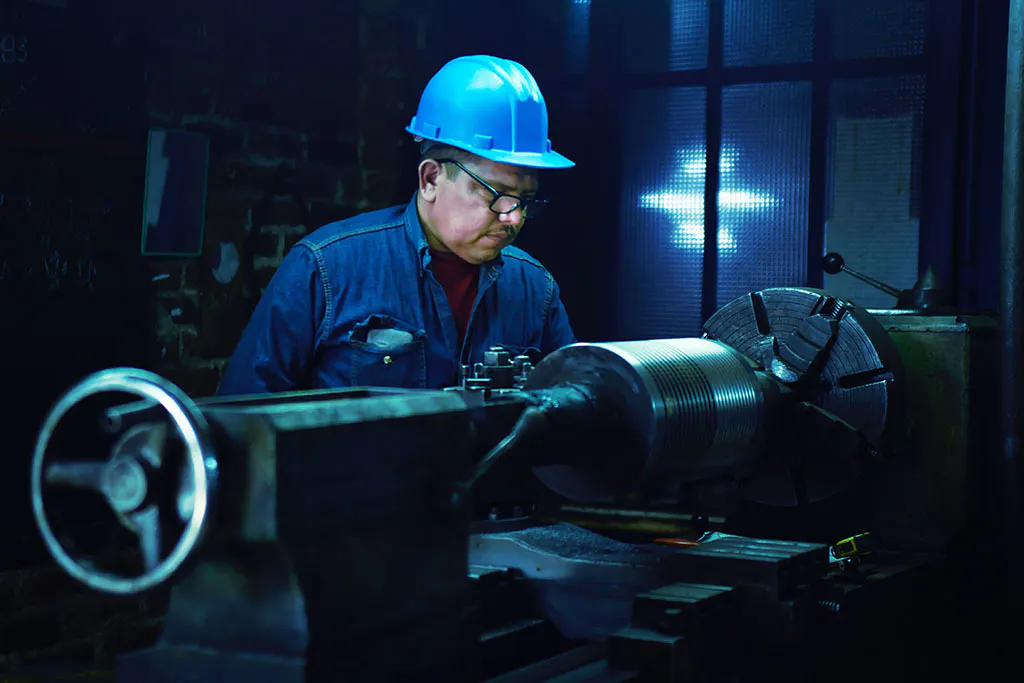
Do you ever rave about a product because you can always count on it to work well? A product’s ability to work consistently is a combination of a few factors: a great idea, top notch design, and science. Reliability is a vital and measurable component of the creation of both the products and the machines that make them.
In this piece, we’ll discuss the basics of reliability, the concepts of reliability engineering, and tools to help your business improve the reliability of its products.
What Is Reliability?
In terms of production, reliability is the ability of a product or other component to perform its intended functions over a certain period of time in normal operational settings.
For example, say a manufacturer buys two conveyor belts from two different companies. The conveyor belt purchased from company A works consistently well with minimal downtime and repairs over a period of three years. Conversely, the conveyor belt purchased from company B requires more repairs and part replacements over the same period of time. Since the belt from company A performs its intended functions as expected, it’s the more reliable of the two.
Reliability is often confused with quality and durability, but these are very different concepts and meanings in the engineering industry.
Reliability vs. Durability
Where reliability refers to a product functioning well with minimal downtime, durability refers to the length of time a product remains functional, regardless of the number of tune-ups or failures required along the way. The primary concern is how long the product holds up.
Reliability vs. Quality
In general, quality is a higher level concept that encompasses both reliability and durability. Different companies may require different dimensions of qualities, including performance, serviceability and more.
Reliability vs. Maintenance
A reliable product will still require maintenance over time. The difference between a reliable and unreliable product when it comes to maintenance, is whether or not maintenance interferes with operational time.
Why Is Reliability Important?
Reliability is important because it contributes to your company’s success and its bottom line. In order for business strategies and budgets to remain on target and to grow your customer base, you must be able to count on reliable products and the processes that create them.
Benefits of Reliability
Customer satisfaction - A higher reliability contributes to happy customers, which leads to a great reputation and repeat business.
Decreased warranty costs - Reliable products or components won’t require as many repairs or replacements during the warranty period, which will ultimately save your business money.
Competitive advantage - Proven reliability can sway consumers into buying your product over the competitors’.
Cost analysis - Reliability data is often combined with other information to determine its cost-effectiveness, which can be used as a selling point for your products.
What Is Reliability Engineering?
The benefits of reliability are clear, but how can a company nurture reliability from the proverbial drawing board? The answer is by being mindful of it from the inception of a product or service, and always working to improve it through a process called reliability engineering.
Reliability engineering is the systematic application of engineering practices and techniques to cost-effectively improve the reliability of products. Reliability engineering consists of the following components:
Preventing or reducing the instances of product failures.
Pinpointing and repairing the causes of failures, if they do occur.
Estimating potential reliability of new or upgraded designs.
How Do You Calculate Reliability?
Though there are many ways to quantify reliability, a popular one is the MTBF method. MTBF stands for “mean time between failures”—or the average time between unscheduled failures in a product or component.
MTBF is calculated using a formula that measures the amount of time that a product or component is functioning properly between unscheduled failures. The higher the MTBF, the better, or more reliable the product. The lower the MTBF, the more often a product or component is failing, and the less reliable it is.
Reliability Engineers Can Help
Striving for reliability is not a new business concept, and there are best practices already in place to help you improve the reliability of your components.
A great starting point is by utilizing reliability engineers. Reliability engineers perform routine inspections on equipment to potentially prevent more costly repairs and/or replacements in the future.
Another part of a reliability engineer’s job is to look for the latest advancements in technology to increase a component’s reliability, and always make sure your business processes are running smoothly.
There are actually specific types of maintenance—like predictive maintenance—that are an important factor in improving the reliability of your products. You can think of it as a type of maintenance as taking your car in for routine maintenance to prevent more costly issues down the line.
Improve Your Reliability Engineering Today
Fortunately, there are tools that aid in improving the reliability of your products. UpKeep is a powerful asset operations management tool for reliability and preventive maintenance.
Monitoring equipment is paramount to maintaining and improving reliability. UpKeep will aid in the reliability of your equipment with advanced asset analytics that tracks real-time data, MTBF, and other metrics for further analysis. UpKeep also offers easy communication from anywhere so technicians can receive and make updates to work orders in the field.
If you’re ready to improve the reliability of your business’s products and components, schedule a free demo today.
¿Quieres seguir leyendo?
Artículo
Modelado de gestión de activos y modelos de ejemplo


Artículo
Gestión de operaciones de activos para equipos de confiabilidad


Artículo
Las 8 principales tendencias de fabricación de alimentos y bebidas para 2022
MÁS DE 4000 EMPRESAS CONFÍAN EN LA GESTIÓN DE OPERACIONES DE ACTIVOS
Liderando el camino hacia un futuro mejor para el mantenimiento y la confiabilidad
Los datos de sus activos y equipos no pertenecen a un silo. UpKeep simplifica ver dónde se encuentra todo, todo en un solo lugar. Eso significa menos conjeturas y más tiempo para concentrarse en lo que importa.






![[Review Badge] Gartner Peer Insights (Dark)](https://www.datocms-assets.com/38028/1673900494-gartner-logo-dark.png?auto=compress&fm=webp&w=336)