Blog Post
Top 8 Food & Beverage Manufacturing Trends for 2022
While food & beverage products will always be essential, the ways to acquire and appreciate them are evolving. Check out our top food & beverage trends for 2022.


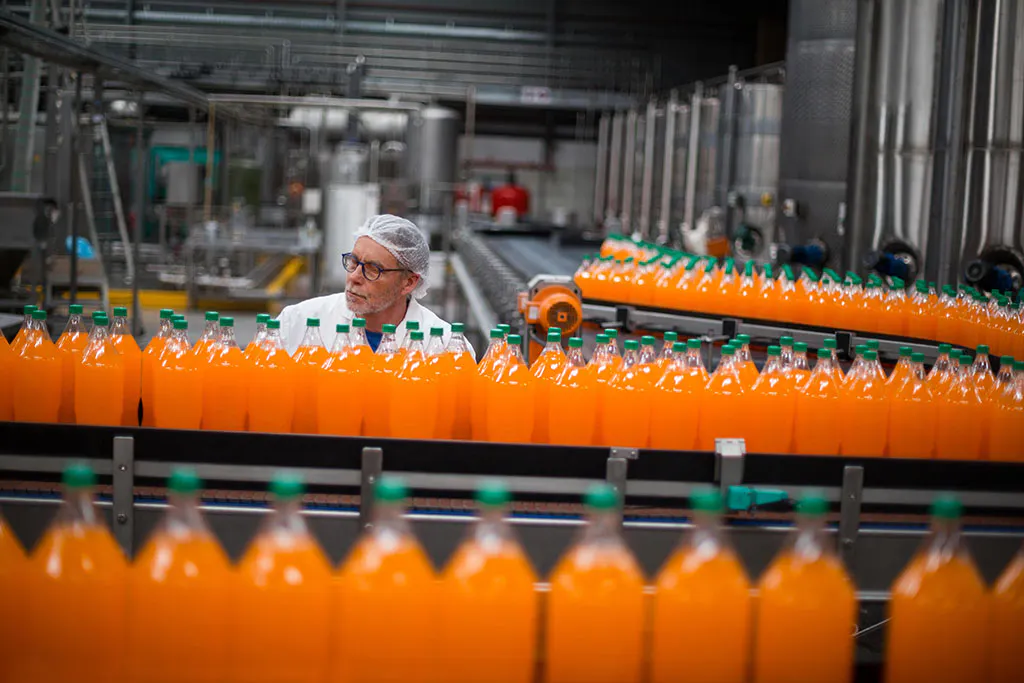
As a customer, food and beverage items are some of the most frequent commodities we consume. These products are so widespread that the market was worth $281 billion in 2021. Additionally, projections anticipate this value to grow at a compounded rate of 9.5% annually for the next few years.
Trends go hand in hand with an ever-growing market. So, here are some of the top food & beverage industry trends to look out for in 2022 and beyond.
1. Sustainability
The modern-day customer is becoming more concerned about what they buy. Consumers are now particular about the environmental and social impacts of producing the items they see on the shelf.
The environmental component of sustainability mainly talks about the way products are packaged. The preference is to reduce or eliminate the usage of plastics and other materials that end up as waste. Other factors to check include whether a product uses organic ingredients, carbon footprint concerns, and water usage requirements.
On the other hand, sustainability also refers to considering social issues in production. Consumers want the assurance that manufacturers support healthy working conditions, care for human rights, and prioritize safety.
A survey shows that 68% of respondents are willing to pay more for verification that a manufacturer addresses these concerns. The good news is that the call to action seems to be working. Big and small businesses alike are trending in the right direction toward a more sustainable approach.
2. Online Groceries
Even before the pandemic, online shopping has been a service gaining traction. Now that it’s not only a more convenient way to get goods, but arguably a safer way as well, online groceries are here to stay.
Big companies typically offer their products through their in-house online platforms and websites. The consumer can choose and pay for their goods online, then opt for a pick-up or a scheduled delivery. Some online apps also provide the option to shop your groceries for you and deliver them to your doorstep.
3. Frozen Foods Are Here to Stay
Frozen food products often get a bad rap for being a low-quality choice. However, the reality is that an enormous demand for frozen products prevails in the industry.
A sizable portion of the market consists of ready-made meals, instantly prepared by putting them in the microwave for a few minutes. Think of frozen pizzas, pasta, and mac & cheese. Frozen foods can also pertain to seasonal or imported ingredients that require low temperatures for preservation. Examples of these include blueberries, processed produce, and seafood.
Unexplored food products are continually coming out in the market. Options range from simply a new frozen pizza flavor to a broad range of meatless products. As the trends come and go, the need to freeze them for transport and storage remains constant. Until that changes, it’s a good idea for facilities to keep their cold storage equipment well-maintained.
4. Ghost Kitchens
Think of ghost kitchens as a concept brought about by the ability to buy something online. They are places where you can get your food without having a physical store or restaurant. These facilities also usually partner with food delivery apps to bring meals to customers.
Because most transactions are virtual, the need for a physical store to get and consume meals becomes unnecessary. The ghost kitchen will still require the equipment for food preparation, but there are some obvious opportunities to reduce costs. The price to maintain dining and parking spaces, as well as rental fees, are significantly lower.
5. Pet Food Production
The expectations set by consumers for their personal consumption are noticeably carrying over to their pet's goods. After all, pets have become part of the household family. It doesn't come as a surprise for pet food production trends to pick up, especially since around 70% of US households own a pet.
As with food items intended for human consumption, pet owners look for labels that provide the best experience for their furry friends. Health and wellness are vital factors in choosing the right product. And it shows in the way supplements are selling. Supplement sales for 2020 reached $800 million, while forecasts expect the number to keep rising.
When it comes to pet food, owner preference leans toward fresh-made options. Dogs, for example, show signs of improvement from obesity with fresh-food diets compared with those eating dry food alternatives. There’s a lot more room for improvement in studying this space, something to look forward to in the year 2022.
6. Food and Beverage Production Automation
Automation is a technological development that has found applications across various industries. And the food and beverage industry is no exception. One of the most prominent automation tools for food and beverage production is automation through robotics.
Robotics is an interdisciplinary science incorporating both computer science and engineering. It allows facilities to do away with repetitive tasks while significantly increasing efficiency and accuracy. The main applications of robotics in the industry include manufacturing and packaging.
The primary stage of food manufacturing prepares the raw products for the next steps. It involves cleaning, sorting, and transporting products throughout the facility. The second phase is closer to producing the final product. Examples of processes in this phase include cooking, mixing, and cooling.
Robotics has also been used for packaging applications for a while now. However, what’s changed is that significant innovations in technology are allowing independent processes to be fully automated. Applications of artificial intelligence and machine learning are also starting to create a buzz for the coming years.
7. Emphasizing Transparency on Labels
Recent times have increased consumer awareness about food packaging labels. A 2020 report showed that 81% of customers value transparency from manufacturers. Shoppers want to know details about product ingredients, nutritional information, and potential risks.
End users ultimately want assurance about the product they’re consuming. They want to ensure the manufacturer observes proper food safety practices from production to packaging and distribution. After the start of the COVID-19 pandemic, there are also growing concerns about hygienic practices. Other health-related matters include the indication of any allergens or potentially harmful substances in a product.
Consumers generally find more confidence in products with clear and specific labels. The preference is to display relevant standards and quality assurance tests whenever available. Claims on food and dietary supplements also require supporting data. The U.S. Food and Drug Administration provides guidance and regulations to assess such claims.
8. Asset Operations Management
Despite all the innovation currently happening in the industry, food & beverage manufacturers are frequently stuck in paper-based, manual maintenance processes. For these companies, 2022 will be the year to make the switch to Asset Operations Management. This paradigm shift will make compliance with government and industry regulations easier and more efficient.
If the COVID-19 pandemic has taught us anything, it's that modern teams must be proactive, flexible, and built for unplanned events. Asset Operations Management will allow food & beverage manufacturers to get the job done, no matter where they work.
Conclusion
At the start of 2022, the COVID-19 pandemic continues to be a huge factor in shaping consumer behavior. While food and beverage products will always be essential, the ways to acquire and appreciate them are evolving. Alongside these challenges are developing innovations and new ways of working. What's promising for the coming year is that we’ve proven we can achieve things through adaptation and maximization of available tools.
Want to keep reading?


Article
Top 8 Manufacturing Trends for 2022


Article
Top 8 Agriculture Trends for 2022


Article
Enhanced Preventive Maintenance Is Key to Food Safety
4,000+ COMPANIES RELY ON ASSET OPERATIONS MANAGEMENT
Leading the Way to a Better Future for Maintenance and Reliability
Your asset and equipment data doesn't belong in a silo. UpKeep makes it simple to see where everything stands, all in one place. That means less guesswork and more time to focus on what matters.






![[Review Badge] Gartner Peer Insights (Dark)](https://www.datocms-assets.com/38028/1673900494-gartner-logo-dark.png?auto=compress&fm=webp&w=336)