Entrada en el Blog
Q&A: Aprende más sobre UpKeep Edge
Muchos clientes de UpKeep han experimentado el poder de UpKeep Edge, un sistema que aprovecha sensores seguros de internet de las cosas (IoT) inalámbricos y pasarelas celulares para proporcionar datos en tiempo real sobre activos y entornos de operación. A medida que nuestro equipo ha hablado con los


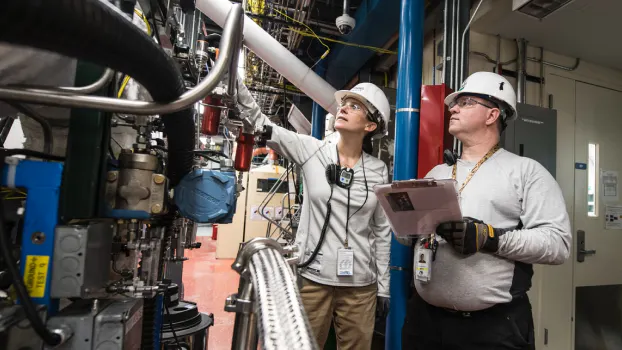
Top 10 Things to Do With Maintenance Sensor Data
Imagine having a set of watchful eyes monitoring your most critical assets around the clock. Ideally, that’s the role of sensors; they are designed to track things like temperature, humidity, water levels, and vibration. When these factors fail to stay within predetermined parameters, damage to equipment or finished products can result.
While collecting this data in real time is an important part of the maintenance process, it’s critical that you know effective and efficient ways to use this data to prevent and solve problems. The following are the top ten ways to make sensor data actionable data.
Establish baseline performance levels for assets
By automatically collecting data at regular intervals on your critical assets, you can quickly establish baseline performance levels. Over time, you’ll be building a historical record of how your assets function, how often maintenance must be performed, and what are common problems that may arise. This data can then be used to plan maintenance, project asset life, and determine best time for replacement.
Detect potential machine failure
Once baseline performance is established, sensor data can be used to flag abnormal patterns or deviations from normal operating conditions. For example, if vibration sensor readings suddenly spike, that can indicate impending equipment failure. If this data can be integrated into your maintenance process, a technician can be sent immediately to further evaluate the equipment, make necessary repairs, and potentially prevent a more costly intervention, safety incident, or expensive downtime.
Assess equipment health
Similar to detecting potential asset failure, assessing equipment health can be a good long-term use of sensor data. A periodic review of key indicators of asset health such as fluid or pressure levels can help you identify wear-and-tear on components. Instead of relying on time- or usage-based maintenance schedules, you can perform maintenance when it is most needed. This reduces unnecessary maintenance, saving time and resources, while also preventing unexpected breakdowns.
Create predictive models to forecast maintenance needs
Sensor data can be combined with advanced machine learning to develop predictive models that accurately forecast equipment failures or maintenance needs. By analyzing patterns and correlations in historic sensor data, these models can quickly and accurately predict when maintenance interventions will be required. This helps you plan your maintenance tasks more effectively.
Optimize asset performance
Not only can sensor data help prevent breakdowns and contribute to efficient maintenance scheduling, but it can also help you optimize equipment and production processes. For example, high temperature readings may indicate energy-intensive operations. Pinpointing these processes may offer an opportunity to reduce energy consumption and associated costs in the long run.
Discover root causes of failures
In cases where a machine failure occurs, sensor data can be instrumental in identifying the root cause. Maintenance teams can look at historic sensor data that was collected right before the failure occurred to learn about the behavior of the machine and what might have triggered the eventual failure. This knowledge can then help prevent future similar failures.
Prevent product loss
Because sensor data can be collected within brief intervals, you may be able to rely on this information to prevent product loss. For example, food and beverage manufacturers rely on constant, safe temperatures for storage and processing. Sensors are excellent tools to determine when freezers or refrigerators fall outside safe ranges, triggering an emergency work order and preventing spoilage and product loss.
Support decision-making
In the past, maintenance decisions were often made based on years of experience or the instincts of a seasoned manager. Today, sensor data, combined with artificial intelligence and machine learning algorithms, can provide maintenance teams with data-driven decision support. By integrating sensor data into maintenance management systems, you can request real-time alerts, schedule work orders, and review current equipment conditions to make long-term decisions about repair and replacement.
Avoid costly environmental damage
Not only can sensor data prevent expensive repairs to existing machinery or reduce the likelihood of costly downtime on a busy production line, but sensors can also protect the surrounding environment. For example, sensors that detect water or pressure can quickly alert a maintenance team of a pipe burst or hidden leak, potentially saving costs associated with extensive water damage or long-term mold growth.
Protect safety of employees and customers
Finally, sensor data can be used to protect the safety of employees, customers or other stakeholders who may be in your facilities. In some cases, equipment malfunction can have much more dire consequences than downtime and repairs. Explosions or high-pressure accidents can cause injury or death. Sensors can detect early signs of potential problems by monitoring pressure or other factors, helping to prevent accidents or loss of life.
To learn more about how you can use sensor data to improve your maintenance processes, reach out and explore UpKeep Edge. Our team can help you leverage secure gateways, sensors and advanced analytics to gather asset intelligence that moves maintenance and reliability operations from reactive to proactive. This, in turn, supports your entire business as it works to achieve its mission.
¿Quieres seguir leyendo?


Artículo
Borde de mantenimiento | Acelere la madurez, mejore la toma de decisiones



Artículo
Sensores para la gestión de almacenamiento en frío en la fabricación
Artículo
Q&A: Aprende más sobre UpKeep Edge
MÁS DE 4000 EMPRESAS CONFÍAN EN LA GESTIÓN DE OPERACIONES DE ACTIVOS
Liderando el camino hacia un futuro mejor para el mantenimiento y la confiabilidad
Los datos de sus activos y equipos no pertenecen a un silo. UpKeep simplifica ver dónde se encuentra todo, todo en un solo lugar. Eso significa menos conjeturas y más tiempo para concentrarse en lo que importa.






![[Review Badge] Gartner Peer Insights (Dark)](https://www.datocms-assets.com/38028/1673900494-gartner-logo-dark.png?auto=compress&fm=webp&w=336)