Entrada en el Blog
¿Hay alguna diferencia entre reparación y mantenimiento?
Comprender el papel que desempeña cada uno dentro del continuo de mantenimiento puede ayudarlo a mantener sus activos y equipos en óptimas condiciones de funcionamiento.


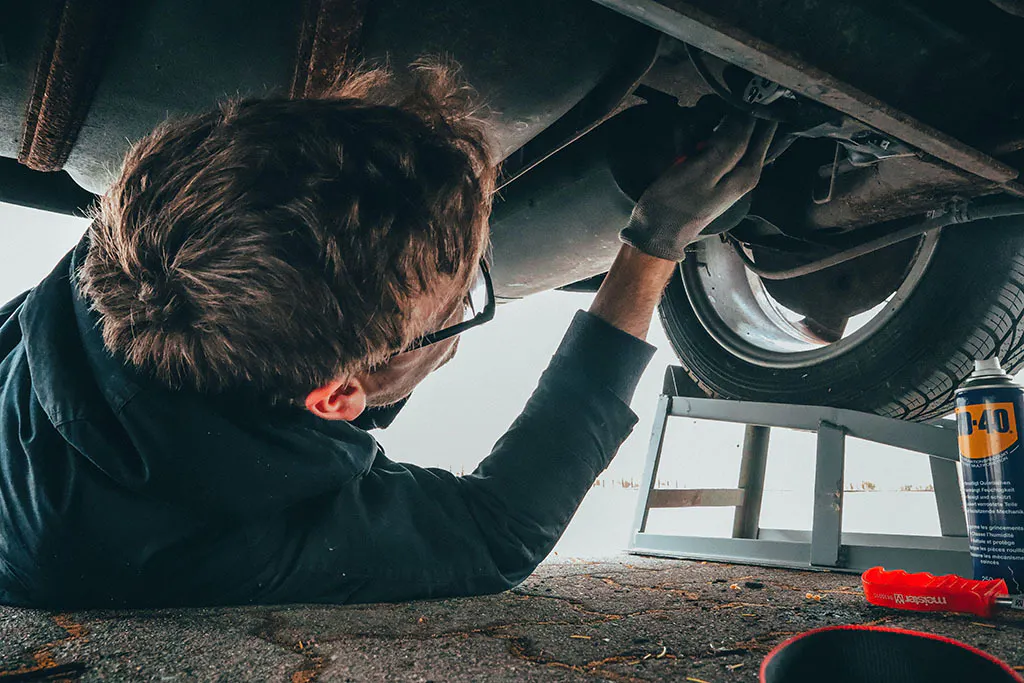
The difference between repair and maintenance is as simple as the difference between being reactive and being proactive. When it comes to manufacturing or production equipment, repair happens after some component or machine breaks and must be restored to working condition. Maintenance, on the other hand, occurs before any problems arise in the first place, focusing on keeping the asset working at optimal levels.
What's the Difference Between Repair and Maintenance?
Although there are definite differences between repair and maintenance, they both work to accomplish a company’s goal of keeping its assets up and running and in good working order. The difference is where in the process these activities take place.
Ideally, equipment is inspected and maintained on a regular basis, allowing an organization to “catch” problems before they occur, minimizing downtime and expensive emergency actions. For some pieces of machinery, this may occur on a time-delineated basis like once a week or once a year. For others, maintenance may occur after a certain amount of usage. Think of it like an oil change schedule, which is usually recommended after a certain number of months or miles, whichever occurs first.
If machinery is not properly maintained or simply encounters a problem during operation, a repair is required to restore the asset to good working order. Repairs that can be done quickly and efficiently will help minimize downtime and keep line workers productive during scheduled shifts.
What Are Repairs?
Repairs can be done at different points during a failure. For example, perhaps an operator notices a certain machine is making an unusual noise or is functioning slower than usual. At this point, the asset is still operational, just not performing at its peak. Repairs that can be scheduled and completed during this phase will likely help a production line continue to operate before a major breakdown occurs.
On the other hand, when an asset is allowed to continue to deteriorate or is used until it simply stops working, this can result in a much more major repair. Such a repair can be quite costly and may even bring into question whether a repair or complete replacement makes more sense. In addition, if no backup equipment exists, this type of repair can result in major downtime, unmet customer orders, and wasted labor resources.
What Is Maintenance?
Maintenance typically refers to several different types of activities that are designed to keep assets up and running at optimal levels.
At one end of the spectrum, companies may choose to run certain assets to failure because it is not worth the effort or cost to “maintain” them. The typical example is a lightbulb; it would be a waste of resources to inspect lightbulbs through an office building or replace them before they are burned out. The choice is made to replace them only when they are no longer working.
Reactive or emergency maintenance occurs when a component or asset stops functioning or works poorly and requires a technician’s attention. This is typically the request to fix various machines or broken components and is frequently associated with the maintenance department.
Preventive maintenance takes a more proactive approach, scheduling tasks at regular intervals such as changing HVAC filters each quarter, lubricating a motor every month, or inspecting components of a manufacturing asset once a year. These tasks are frequently scheduled by time or usage.
Predictive maintenance is also proactive but bases the need for maintenance on particular triggers. Today, many different types of sensors can be installed to provide around-the-clock monitoring of critical conditions. For example, a commercial freezer or refrigerator must remain at certain temperatures; a sensor can be used to send an alert immediately if that temperature falls out of those ranges. Conditions related to water levels, humidity, or a host of other metrics can be “watched” by this technology, triggering action only when needed.
How Can Asset Operations Management Help With Repair and Maintenance?
UpKeep’s Asset Operations Management (AOM) solution can help today’s maintenance team optimize both repairs and maintenance. As a mobile-first tool, AOM puts work orders, inventory, and full asset life cycle information at the fingertips of both management and technicians.
Consider that technicians can now access complete work orders on their mobile phones including the individual who entered the order, photos detailing the problem, replacement parts and their availability, manufacturers’ manuals and guides, and more. All these resources not only make it easier for the technician to do a complete and accurate job but also makes it seamless to record all maintenance and tasks completed for future reference and analytics.
Summary
Although the terms maintenance and repairs are often used interchangeably, there are noticeable differences between the two. Understanding the role each plays within the maintenance continuum can help you keep your assets and equipment in top working condition. And employing a solution such as UpKeep’s AOM can help you do so more efficiently and effectively.
¿Quieres seguir leyendo?



Artículo
Gestión de operaciones de activos | Datos accesibles desde cualquier lugar


Artículo
Tiempo medio entre falla y tiempo medio de reparación: definiciones, cómo calcularlas


Artículo
Inventario de mantenimiento | 7 métricas que deberías estar rastreando
MÁS DE 4000 EMPRESAS CONFÍAN EN LA GESTIÓN DE OPERACIONES DE ACTIVOS
Liderando el camino hacia un futuro mejor para el mantenimiento y la confiabilidad
Los datos de sus activos y equipos no pertenecen a un silo. UpKeep simplifica ver dónde se encuentra todo, todo en un solo lugar. Eso significa menos conjeturas y más tiempo para concentrarse en lo que importa.






![[Review Badge] Gartner Peer Insights (Dark)](https://www.datocms-assets.com/38028/1673900494-gartner-logo-dark.png?auto=compress&fm=webp&w=336)