Entrada en el Blog
Nuclear Fusion Developments: What Would Free Energy Mean for Manufacturing?
I was a chemical engineering major at the University of Berkeley just 10 years ago. I remember walking the outskirts of the Lawrence Livermore Research Center in Berkeley and countless hours studying the flow of energy, doing mass balances, and thermodynamics.



At the end of last year, LLNL scientists for the first time “got more energy out of the fusion process than they had to put in. Previous efforts that had achieved fusion required more energy inputs than the fusion reaction produced.” This breakthrough follows years of amazing work by UC Berkeley, including the discovery of ten elements that were added to the Periodic Table in the 20th century and dozens of Nobel Laureate winners since the 1930s.
I’m proud that my alma mater today continues to sit at the forefront of nuclear fusion research that could literally change the world someday, but it made me start to think of the potential impact that this could have for the future.
Rapid push to create and commercialize nuclear fusion on the horizon
Just last week, several tech billionaires put their money on the creation and eventual commercialization of nuclear fusion reactors. These leaders “hope to harness the process that powers the sun and stars to deliver almost limitless energy. Jeff Bezos, Peter Thiel, Bill Gates and Marc Benioff are among those betting that the decadeslong goal of building fusion reactors is now within years of being reality.”
If you aren’t familiar with how nuclear fusion works, it occurs when two light atomic nuclei join together into a heavier one, which then creates a massive amount of energy. The benefit is that the reaction also releases zero carbon and generates very limited radioactivity.
The biggest challenge of fusion fuel is that these hydrogen isotopes need to be heated to 50 million degrees Celsius, held stable under intense pressure, kept dense, and confined for long enough for the nuclei to actually fuse. Then, we’d need to find a way to transform that energy into power.
Although this will be a big hurdle in making a commercial nuclear fusion reactor a reality, the net positive energy breakthrough by LLNL several months ago is an incredible step towards realizing the vision of "infinite carbon free energy”. I may be a big believer here, but I think with the help of artificial intelligence and machine learning, one or two companies may be able to achieve these goals this decade.
Free Energy Will Have Revolutionary Ramifications for Manufacturing
On the surface, the successful creation and commercialization of nuclear fusion seems to be the answer to a significant number of the world's energy problems. It would prevent the depletion of limited natural resources in producing the energy that is more highly demanded than ever, especially as generative artificial intelligence is growing in popularity and requires tremendous computing power. It could solve the global warming problem as nuclear fusion produces no carbon emissions. And its limited radioactivity would be far safer than other nuclear sources of power.
As a society, we’ve been steadily increasing our consumption of energy over the years. According to Enerdata, “global energy consumption rebounded with a 5 percent growth in 2021, after a 4.5 percent decline in 2020, in a context of global pandemic. This rebound is 3 points above the 2 percent per year average over the 2000-2019 period. In value, the 2021 global energy consumption stands above the 2019 levels.”
In addition, the manufacturing sector accounts for nearly three-quarters of all the total Industrial energy consumption. Depending on the products manufactured, energy can make up a significant portion of a manufacturer’s operating expenses, with the average monthly electric bill for a U.S. factory reaching $5,370.
How would you operate differently if the cost of energy were zero?
If developments in nuclear fusion would essentially bring energy costs down to zero, that would likely change consumer behavior radically. For example, if energy costs were no longer a barrier to heating and cooling our homes, it’s likely that we’d own larger and less energy-efficient homes that we’d keep at our preferred ideal temperatures and splurge on energy-intensive appliances, electronics, and other systems.
There would almost be a guaranteed shift to electric vehicles as fuel prices would essentially be eliminated, and may increase the desire and ability for all of us to travel. That, in turn, may likely increase the cost of maintaining and building infrastructure such as roads and bridges that would see increased usage.
Without the incentive to save energy or reduce greenhouse gasses, other alternative energy industries as well as the push to create energy-efficient consumer goods could decrease or be eliminated altogether.
At the same time, consumers may find they have greater disposable income, leading to additional consumption and spending in areas such as entertainment and leisure.
Commercially, manufacturers around the world would be able to eliminate a significant portion of their operating costs. Obviously, this would reduce prices of finished goods and potentially increase production capabilities. Free energy would likely shift the supply and demand of multiple industries, reducing the need for things like solar panels and energy-efficient appliances but increasing the desire for energy-fueled comforts and entertainment.
The bottom line is that it’s hard to even imagine what free energy would mean for all of us in the future. I’m really not sure myself, but it does beg very interesting questions about its impact on both our personal and professional lives.
How would you operate differently? How would the world operate differently? It’s hard to know, but I’m excited to find out.
¿Quieres seguir leyendo?


Artículo
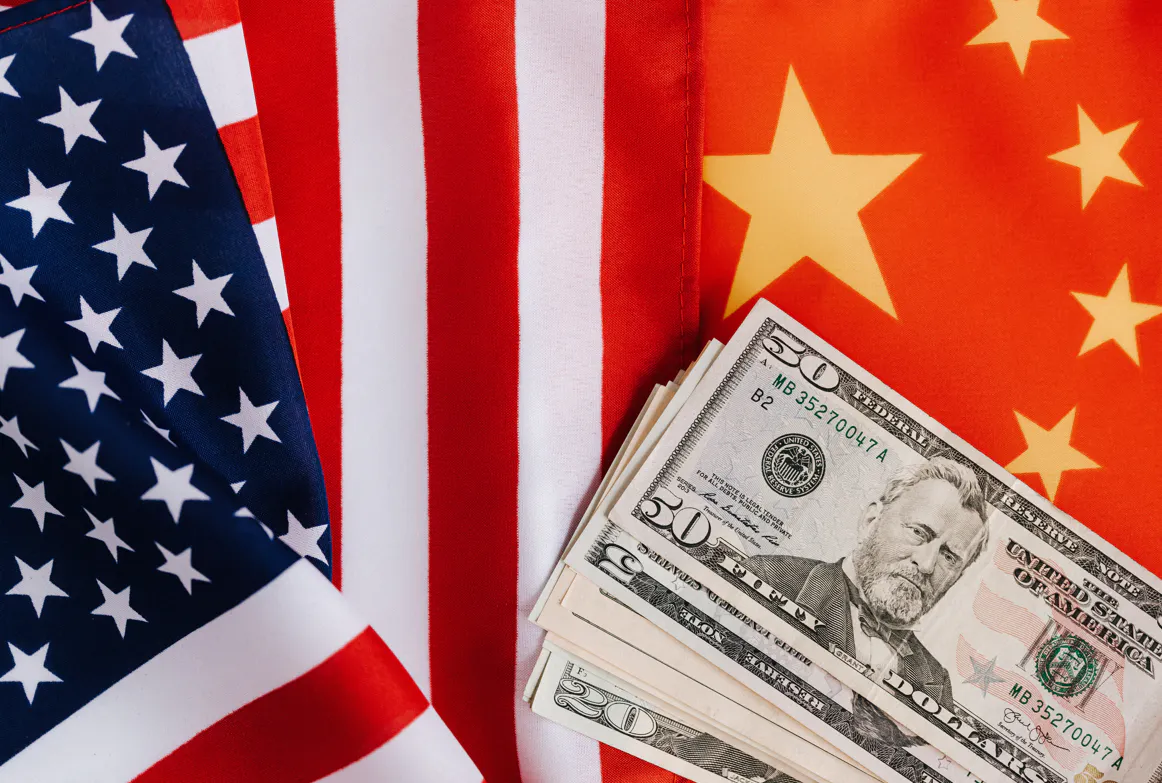
Las tensiones comerciales entre EE. UU. y China aumentan: análisis del impacto en la fabricación y la economía mundial


Artículo
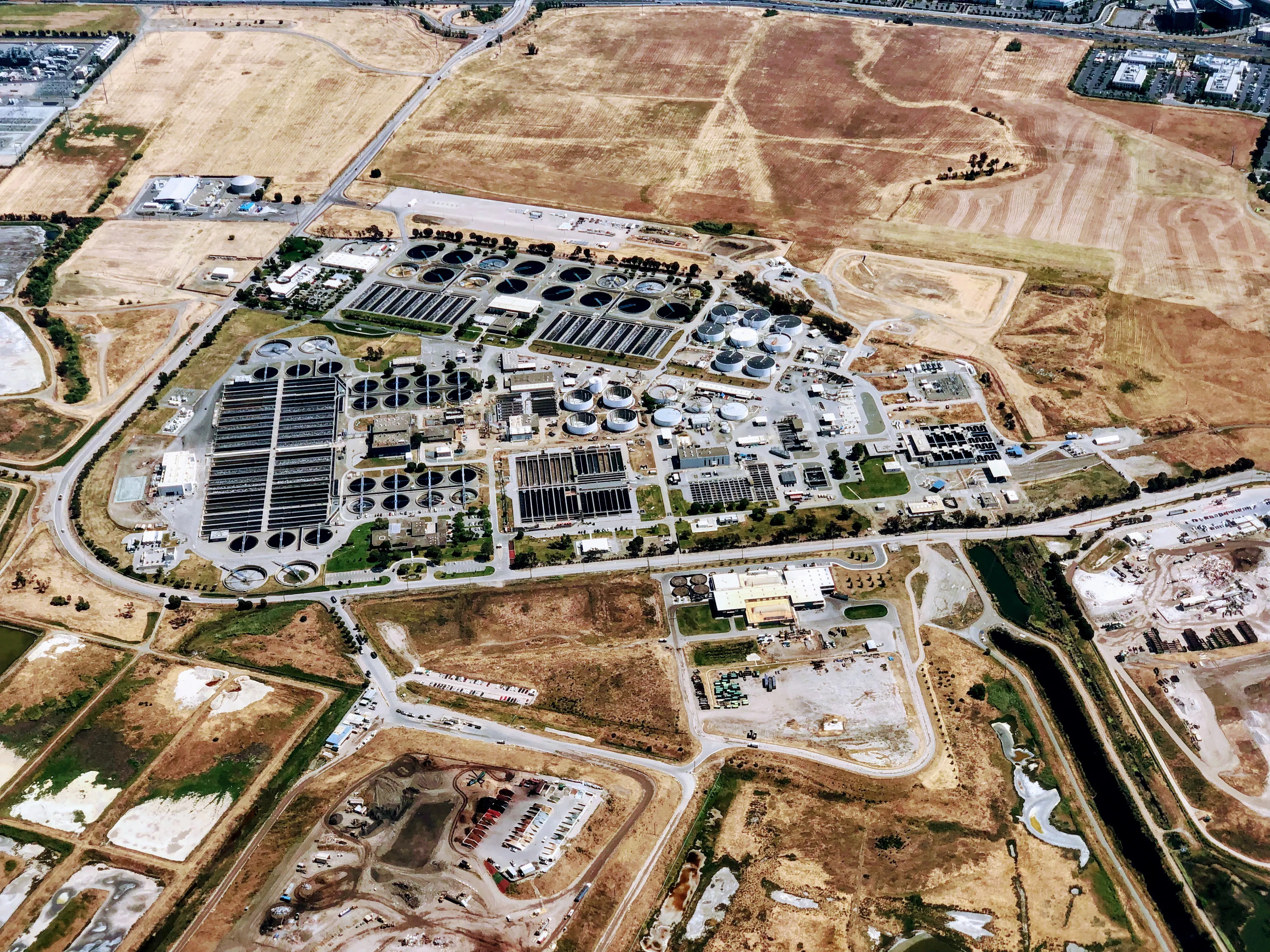
Más del 50% de la gestión de todas las instalaciones ahora se subcontrata. Antes de seguir el ejemplo, decida si es un diferenciador para su negocio


Artículo
La IA es una amenaza real para la civilización humana. déjame explicarte por qué
MÁS DE 4000 EMPRESAS CONFÍAN EN LA GESTIÓN DE OPERACIONES DE ACTIVOS
Liderando el camino hacia un futuro mejor para el mantenimiento y la confiabilidad
Los datos de sus activos y equipos no pertenecen a un silo. UpKeep simplifica ver dónde se encuentra todo, todo en un solo lugar. Eso significa menos conjeturas y más tiempo para concentrarse en lo que importa.






![[Review Badge] Gartner Peer Insights (Dark)](https://www.datocms-assets.com/38028/1673900494-gartner-logo-dark.png?auto=compress&fm=webp&w=336)