Entrada en el Blog
Las 7 principales tendencias tecnológicas de atención médica para 2022
Es probable que las nuevas mejores prácticas y requisitos sean más exigentes que nunca, y es importante que los proveedores se mantengan al día. Aquí están las 7 tendencias a tener en cuenta.


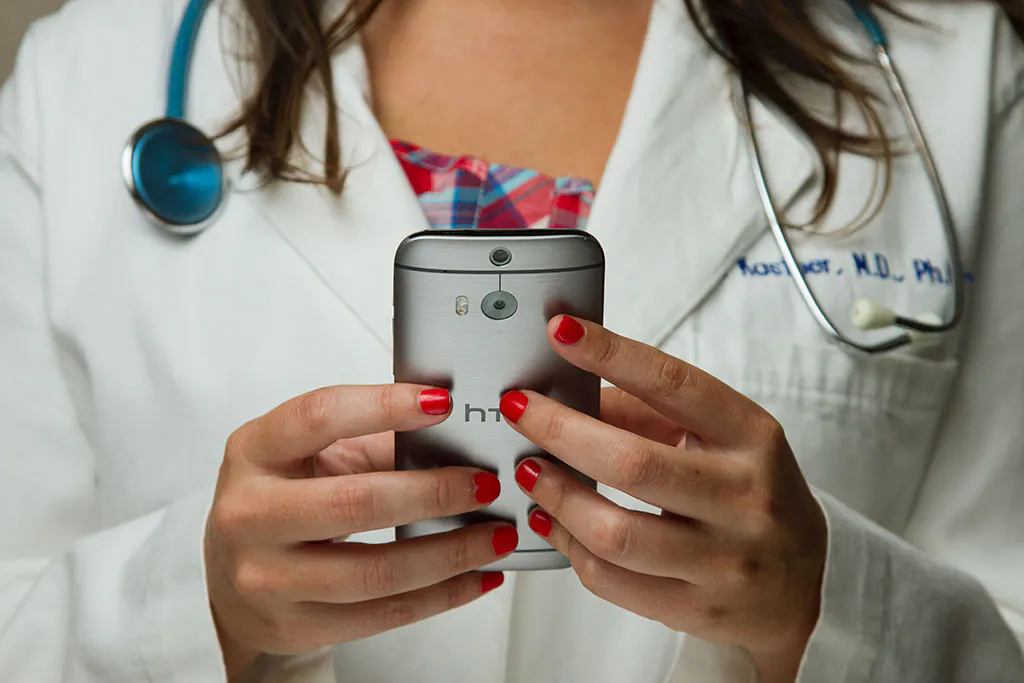
In the wake of a pandemic and a more online-centric lifestyle, healthcare providers have had to change their operations in many ways this past year. 2022 will likely bring further change as providers strive to modernize their processes and update their procedures to better match the evolving standards surrounding the industry, not to mention meet the constant needs of their patients.
This has led providers to adopt new technologies and incorporate them into their processes, both with respect to treating patients as well as internal processes. New best practices and compliance requirements will likely be more exacting than ever, and it’s important for hospitals, clinics, and practices to keep up (or catch up, as may be the case).
With that in mind, here are seven of the biggest trends healthcare providers should anticipate in the new year.
1. Big Data Analysis
Healthcare records, whether kept electronically or in filing cabinets, are more plentiful than ever. Electronic healthcare records (EHRs) provide a host of data that providers can use to better help their patients, such as biometric data, information from wellness tracking devices, and more. The data from these sources can help providers give their patients value-based care focused on proven outcomes rather than merely supplying services.
The problem is all this data is often siloed, and there are regulatory obstacles (HIPAA, HITECH, etc.) to consider as well. The data’s also so plentiful that it’s impossible to analyze with conventional software (gaining it the name “big data”). Analyzing big data requires modern tools designed to account for both the complexity of individual healthcare needs as well as the multitude of regulations governing the use and ownership of patient data. Machine learning systems will likely see more prevalent use in 2022 and beyond.
2. Telemedicine
Stay-at-home orders and social distancing brought an increased adoption of telemedicine, and the results have been generally positive. Not only has it been effective in bringing basic healthcare services to rural and other underserved areas, but telehealth also has the potential to decrease healthcare costs and reduce the incidence of problems like unnecessary emergency calls, prolonged hospitalizations, and medication abuse. The reduced stress involved may also improve patient satisfaction.
Patients want quicker response times, greater convenience, and easier access when it comes to healthcare, and telemedicine can provide that. Whether it’s through live video conferencing, emails, remote monitoring, or health-related apps, telemedicine has the potential to transform the nature of medical care in the coming year. Of course, implementing it will require a great deal of care when it comes to patient data, not to mention sufficient IT infrastructure to support it.
3. Internet of Medical Things (IoMT)
Internet of things (IoT) consists of technology that collects, analyzes, and transmits data, and it’s seeing greater use in the medical industry. The internet of medical things (IoMT) market is projected to be worth $158.1 billion by 2022, making it a vital investment as providers’ operations become more automated.
IoMT includes a wide array of technologies, such as remote patient monitoring (RPM) devices, which allow doctors to keep tabs on real-time data related to the wellbeing of their patients. Such devices include implants, sensors, blood pressure cuffs, connected inhalers, contact lenses, and more. The real-time data from these devices allow practitioners to provide more immediate and individualized care to their patients.
IoMT devices also allow health systems to become more efficient when it comes to monitoring inpatients and outpatients. Data collection is automatic, and it can help coordinate secondary and tertiary care while giving patients more opportunities to participate in their own healthcare. Clinical intervention occurs earlier, and practitioners have an easier time preventing healthcare-associated infections.
Finally, IoMT gives access to the kind of data that can help providers anticipate surges in patients, the need for which has become apparent in the wake of the recent pandemic.
4. Digital Therapeutics
Software-based digital therapeutics are anticipated to see more widespread usage in the coming year, with projections anticipating a growth to $56 billion worldwide by 2025. Digital therapeutics (DTx) provide evidence-based digital support to physicians treating patients with various therapeutic needs. Solutions range from dietary monitoring and blood sugar readings for diabetic patients to medical dosage calculations for inpatients.
DTx may be combined with in-person treatment and medications to maximize the impact of therapeutic care, often improving patient outcomes while also streamlining processes for the provider.
Drug companies and device makers in particular will likely join forces with DTx providers in the coming years as digital care becomes more and more prevalent. In turn, DTx vendors will need to ensure their systems can be integrated with electronic health records already in use by doctors.
5. Virtual Simulation
There’s a shortage of nursing staff, and that shortage has never been more keenly noticed than it has during the last couple of years. The shortage isn’t helped by the lack of physical training sites for nurses, which is where virtual simulation technology comes in.
Virtual simulation will likely become more common in nursing education in the coming year, helping to overcome the roadblocks that have traditionally barred many people from entering the profession. Nurses are better able to get real practice performing needed procedures and following protocols, enabling them to be more prepared for exams and clinical judgment.
Virtual simulation technology can also come into play in other areas of healthcare. One such example is surgery prep. The end result would be better preparation for surgeons and less pain and distress for patients. VR headsets can be used to ease the process for patients, such as women going through labor pains or inpatients undergoing recovery post-op.
6. Increased Automation
IoMT, RPM, and DTx—along with other technologies—serve to increase the level of automation present in the healthcare industry. Analyzing large data sets can help healthcare facilities be better equipped to prevent staffing shortages, counteract healthcare-based infections, and expedite the patient journey from initial diagnosis to post-discharge.
Automated processes limit administrative overhead while maximizing positive outcomes for patients. For instance, after being discharged from a hospital after an operation, automated systems connected with IoT devices can be used to send medication reminders, provide follow-up for new symptoms, and schedule physician visits without the need for cumbersome scheduling and frequent phone calls.
Automation works on the back end as well. Maintaining medical equipment is vital for hospitals and small practices alike, and for device manufacturers, keeping their production lines in working shape is vital. Automation with PdM (predictive maintenance) sensors and machine learning allow these organizations to focus on what’s most important—helping their patients—while minimizing costly downtimes.
7. Asset Operations Management
Healthcare operations and facilities teams face a unique set of challenges as the reliability of facilities and equipment directly impacts patient care. Now more than ever, it's important to mitigate the impact of these challenges. As a result, healthcare providers will turn to Asset Operations Management to keep facilities and equipment operating reliabily, avoid any downtime or failure, and maintain positive patient outcomes.
A centralized command center for all asset and regulatory data is not just important but critical for helping healthcare providers scale and be prepared for the future. Additionally, Asset Operations means integrating operations and maintenance for mutually beneficial outcomes for patients and healthcare organizations.
Getting Your Healthcare Facility Ready for 2022
Odds are, it will be necessary to start adopting some of these technologies in the coming year in order to remain competitive and provide the best care possible to your patients. Automating your processes is an important step to take when preparing for 2022 and the years beyond.
¿Quieres seguir leyendo?


Artículo
¿Qué es el mantenimiento preventivo en el cuidado de la salud?


Artículo
Manuales OEM de atención médica | Por qué seguirlos puede ser costoso



Artículo
Eliminación de defectos | Principios, pasos y marco
MÁS DE 4000 EMPRESAS CONFÍAN EN LA GESTIÓN DE OPERACIONES DE ACTIVOS
Liderando el camino hacia un futuro mejor para el mantenimiento y la confiabilidad
Los datos de sus activos y equipos no pertenecen a un silo. UpKeep simplifica ver dónde se encuentra todo, todo en un solo lugar. Eso significa menos conjeturas y más tiempo para concentrarse en lo que importa.





![[Review Badge] Gartner Peer Insights (Dark)](https://www.datocms-assets.com/38028/1673900494-gartner-logo-dark.png?auto=compress&fm=webp&w=336)