Blog Post
What Is Preventive Maintenance in Healthcare?
Preventive maintenance (PM) plays a key role in healthcare, whether it involves inspecting medical equipment or keeping building HVAC and other systems running.


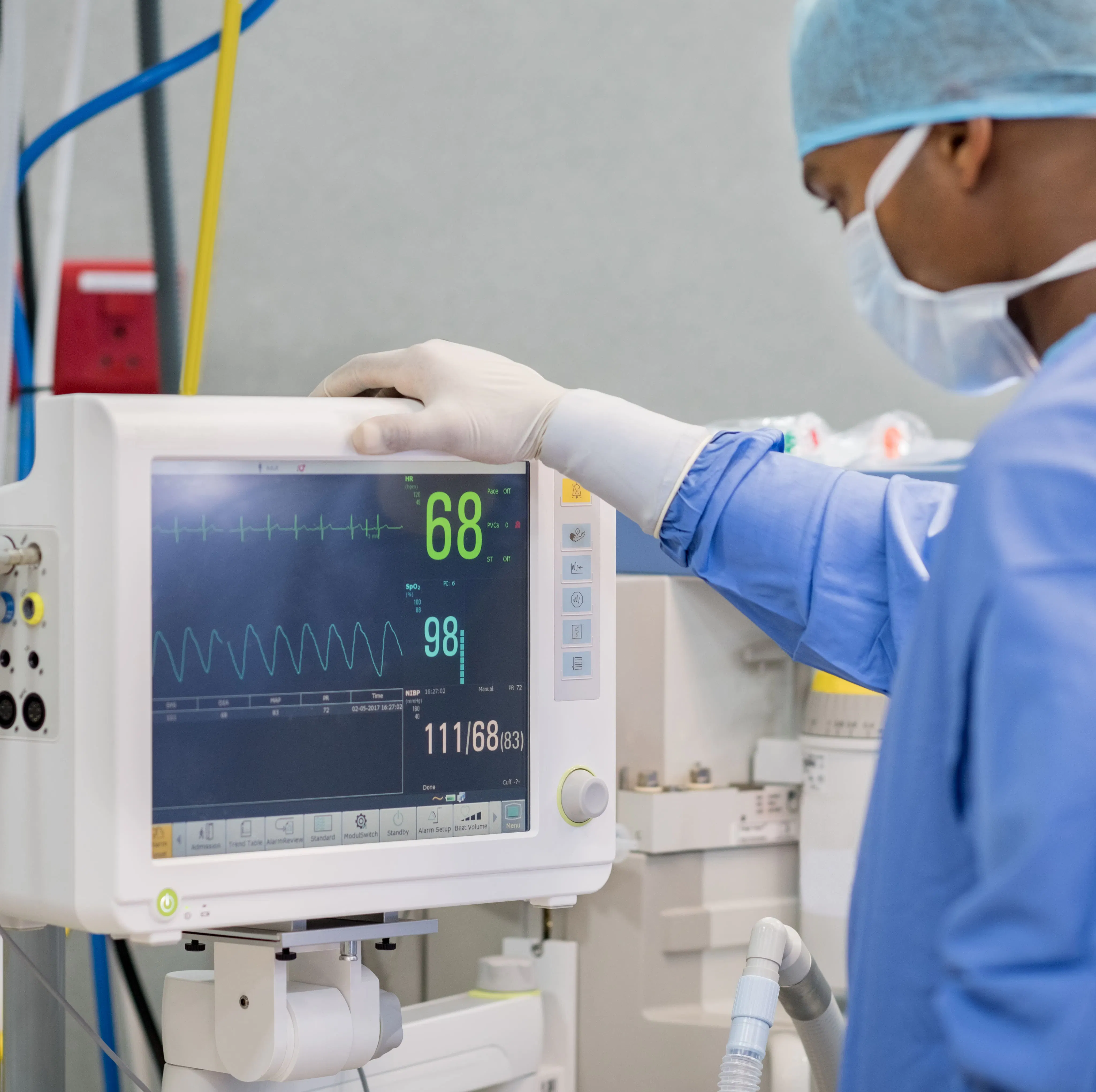


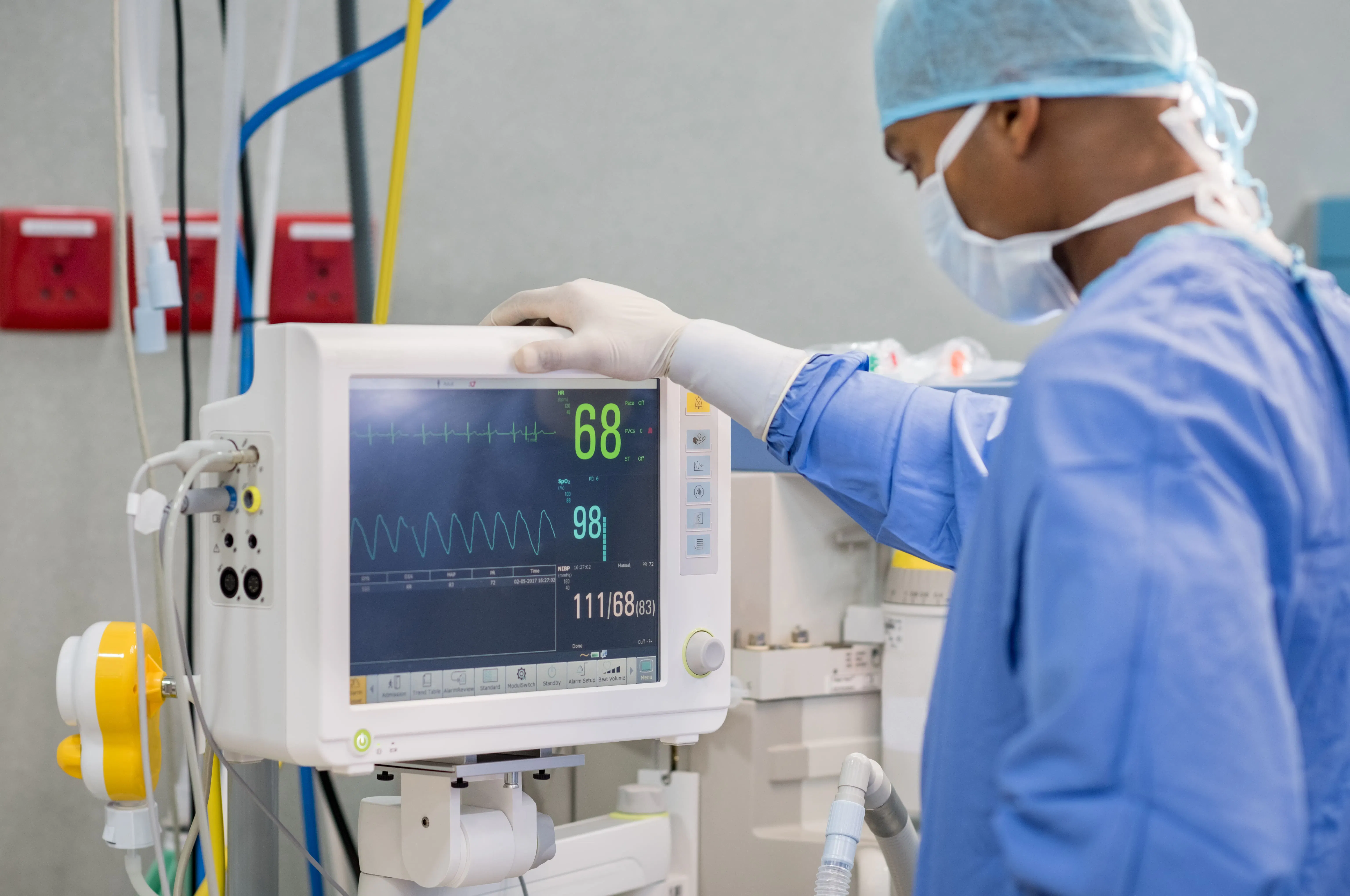
Currently, healthcare is somewhat behind other industries when it comes to creating efficient maintenance programs for their equipment. However, modern healthcare facilities, such as hospitals, nursing homes, and private practices, are more reliant on mechanical equipment now than ever before, which means it’s more important than ever to have efficient maintenance processes in place.
Preventive maintenance (PM) plays a key role in healthcare, whether it involves inspecting medical equipment or keeping building HVAC and other systems running. By creating an effective preventive maintenance plan, healthcare providers can better serve their patients while minimizing maintenance and repair costs.
Types of Preventive Maintenance in Healthcare
Preventive maintenance in healthcare ranges from predetermined, schedule-based work to predictive maintenance with condition monitoring. The type of maintenance used depends on the context of your facility. Sometimes, scheduled PMs are preferred over continuous condition monitoring. In other situations, the reverse would be true.
Predetermined Maintenance
Predetermined maintenance, such as routine replacements or inspections based on time/usage intervals, are the most basic form of preventive maintenance. In fact, many people use the term “preventive maintenance” to refer exclusively to scheduled equipment checkups and replacements.
Predetermined PM tasks are often based on manufacturer recommendations. For instance, the manual included with a piece of radiology equipment may recommend specific parts be replaced every month. Another example is with filters on heating or cooling equipment, which are frequently replaced on a monthly or bimonthly basis.
This type of schedule-based maintenance is often prone to inefficiencies, but it’s also the simplest form of preventive maintenance to implement. All it takes is setting a schedule—often based on manufacturer recommendations—and following it.
Condition Monitoring
However, predetermined PM may result in certain tasks being carried out either too frequently or not frequently enough. Parts may be replaced more often than is actually needed, or they might end up wearing out long before the schedule says they're due for replacement.
This is the purpose of condition monitoring. Condition monitoring can be carried out either by regular inspections or through sensors feeding data to a centralized system. The data gathered through either of these methods helps maintenance teams better plan tasks and make them more efficient.
For instance, if inspections on a hospital’s air handler reveal the filter tends to need changing more frequently than the original equipment manufacturer’s (OEM’s) guidelines indicate, that data can be used to inform a more effective PM process (in this case, more frequent filter changes).
Many equipment failures happen seemingly at random. By monitoring those machines with infrared sensors, vibration sensors, or other equipment, maintenance technicians can get a sense for when different components are beginning to wear out and plan to replace those parts accordingly.
Predictive Maintenance
Predictive maintenance (PdM) builds on condition monitoring by incorporating a predictive element into the process. Specialized software can track component conditions over time and use that data to predict when it’s likely to wear out. For instance, vibration data could be used to determine when bearings in rotating hospital equipment may be on the way out.
PdM systems can essentially tip off maintenance teams on when specific components are likely to wear out, allowing them to make replacements precisely when they’re needed. This cuts down on wasted labor hours spent on work that doesn’t really make any impact.
The downside of PdM is the fact that it's often expensive to implement. As such, it’s typically reserved exclusively for highly critical equipment. In a hospital, that would mean important medical equipment such as life support systems and tools used in treatment.
Tip: PdM is typically categorized as a separate maintenance type from PM. That said, it still fulfills the role of preventing equipment failures.
Benefits of Preventive Maintenance in Healthcare
The basic function of preventive maintenance is to prevent equipment failures from occurring. This is especially important in a healthcare setting where patients, nurses, and doctors rely on your equipment every day. Any failure could have catastrophic results if it occurs at the wrong time.
As such, preventive maintenance is beneficial to the healthcare industry in various ways, including those listed below.
Reliable Medical Equipment
It’s vital for medical equipment to run reliably. By regularly replacing components before they wear out and conducting routine inspections, your maintenance team can prevent equipment from failing. This is opposed to corrective/reactive maintenance, in which work is done after a failure occurs instead of before.
By keeping your medical equipment in good repair, you’re able to rely on it more consistently, which naturally feeds into the other benefits of PM over reactive maintenance.
More Efficient Operations
In general, when a piece of equipment breaks down, there’s a period of time where you must wait for repairs. That might mean delaying procedures for patients in the cases of critical medical equipment. In addition, the time it takes to diagnose and repair a broken piece of equipment is often longer than preventive measures would be, which ultimately costs more in labor hours.
Preventive maintenance lends itself toward more efficient operations, especially when your maintenance practices are well optimized.
Reduced Liability
Poorly maintained equipment is not only an operational concern, but also a matter of liability, especially in healthcare. Not only do providers have to comply with various rules and regulations pertaining to the upkeep of their equipment, but they also take on legal risks any time they treat a patient. If something goes wrong with their equipment and patients are harmed as a result, it can lead to significant losses, including monetary damages and lost licenses.
Patient Wellbeing
Ultimately, the most important benefit of preventive maintenance in healthcare is the wellbeing of patients. Patient safety is paramount, and not just for legal reasons. The role of healthcare providers is to look after the physical wellbeing of their patients. You want to help those who come to you for care, and they need to be able to trust you. Keeping on top of preventive maintenance is integral to that goal.
Healthcare Regulations and Preventive Maintenance
Healthcare in general is heavily regulated, and maintenance in healthcare facilities is no exception. When it comes to preventive maintenance, one set of guidelines from the Centers for Medicare & Medicaid Services (CMS) stands out in particular.
CMS Rules on Equipment Maintenance
Under CMS rules, medical facilities must perform equipment maintenance using the original manufacturer’s (OEM’s) recommendations. That can be problematic because OEM guidelines are frequently not the most efficient or effective way to keep equipment in top running condition.
In addition, OEM guidance often overlooks the actual functional need of the equipment in a healthcare facility’s context in favor of a component-focused maintenance routine. In other words, rather than looking at how the equipment is used in your facility, maintenance is based purely on keeping individual components in good condition. That often means changing parts too frequently or not frequently enough.
Alternative Equipment Maintenance (AEM) Program
That said, hospitals and other medical practices aren’t limited to OEM guidelines alone. They may create an Alternate Equipment Maintenance (AEM) program if they find practices and schedules that are more efficient and effective than those offered by the OEM. Additionally, manufacturer recommendations may not even be available, in which case an AEM is necessary.
Creating an alternative plan requires justification, of course, especially when it comes to patient safety. If you cannot show that the safety of your patients will be preserved by using alternative maintenance practices, your program is unlikely to be approved by the CMS.
In addition, some pieces of equipment are excluded from AEM programs. These include:
Laser devices
Imaging devices like X-rays or CT scanners
New devices with little data on performance and failure rates
Any instance where federal or state regulations require specific maintenance practices
While it may require some initial effort, creating an AEM is often worth the time and expense put into it since it can reduce maintenance and operations costs.
Documentation
Along with following OEM practices or using an AEM program, medical care facilities must keep careful documentation. That documentation should include:
A full record of OEM recommendations (such as what you’d find in manuals)
Records of all maintenance activities
Details on the AEM program
These records should be kept up to date and made accessible to the maintenance personnel who need them.
Tip: A mobile CMMS is a highly efficient way to keep track of preventive maintenance tasks, OEM manuals, replacement parts, and maintenance plan details.
Creating an Alternative Equipment Maintenance Program
Given that OEM recommendations are frequently inefficient or ineffective in specific operating contexts, medical facilities can benefit a great deal from creating an AEM program for their equipment. Throughout the process of creating an AEM, you’ll gather data to justify your departure from OEM guidelines and construct a more optimized preventive maintenance plan.
The following steps can help you get started creating an AEM for your practice or facility.
1. Put a Team Together
Your first step is to get a team together. Get key personnel on board, including maintenance leaders and technicians. By including technicians in this process, they’ll get a chance to give input when planning maintenance tasks, and that ultimately helps them “own” the new process. Doing so increases buy-in as you transition from a reactive mindset to a preventive one.
2. Gather Data
With a team ready to go, you’ll need to get some data together. If you've been managing your maintenance through a computerized maintenance management system (CMMS), then you already have a good source of information to inform your future maintenance practices. If not, then you’ll either need to survey your maintenance records or start logging tasks as they’re completed.
In particular, you’ll want data on all maintenance and repairs completed on your most critical assets (likely key pieces of medical equipment). That information should give you data on failure rates, the impact of scheduled PM tasks, and the overall cost of carrying out those tasks.
3. Justify Your AEM
In order to implement an AEM legally, you’ll need to be able to justify it. That means using data to prove the potential improvements in efficiency you’ll experience as a result.
Even more importantly, you’ll need to take patient safety into account. You must demonstrate that your proposed departures from OEM guidelines don’t put patients at risk. As such, you need sufficient data to show safety won’t be impacted (or that it may even be improved) by making changes. For example, that can mean showing a decreased incidence of equipment failures.
4. Plan Data-Driven Tasks and Processes
With sufficient evidence, you’ll be in a position to plan data-driven PM tasks and implement new technologies to assist with condition monitoring. This step may be a bit time-consuming, but if it’s done well, you’ll decrease the time wasted on inconsequential maintenance tasks while potentially reducing the incidence of equipment failures.
It’s best to focus on a handful of assets first when doing this. Doing so can solidify your case for an AEM and make it easier to expand it to other areas in your facility.
Tip: Again, involve your maintenance technicians in this step. If they figure out an effective task that should be included in your plan, they’ll be more likely to carry it out without complaint.
5. Schedule and Execute
With effective, data-based PM tasks in place, it’s time to schedule them and carry them out. Your medical maintenance technicians will typically be the ones to perform routine inspections and tasks.
6. Revisit Your AEM Regularly
As time progresses, you’ll gather more data, allowing you to see what parts of your AEM work and which ones need improvement. As such, it’s important to revisit your plan on a regular basis.
Medical Preventive Maintenance – How to Get Started
Preventive maintenance in healthcare starts with data, whether you’re still relying on OEM guidelines or constructing an AEM program to maximize efficiency. A mobile CMMS is the perfect tool for getting that data in one place and organizing it into usable formats, so it can act as an effective starting point for your facility’s preventive maintenance program.
4,000+ COMPANIES RELY ON ASSET OPERATIONS MANAGEMENT
Leading the Way to a Better Future for Maintenance and Reliability
Your asset and equipment data doesn't belong in a silo. UpKeep makes it simple to see where everything stands, all in one place. That means less guesswork and more time to focus on what matters.






![[Review Badge] Gartner Peer Insights (Dark)](https://www.datocms-assets.com/38028/1673900494-gartner-logo-dark.png?auto=compress&fm=webp&w=336)