Blog Post
Top 8 Manufacturing Trends for 2022
Preparing to keep up with these trends will require careful planning, innovative thinking, and modern systems at all levels. Are you ready to take on 2022?


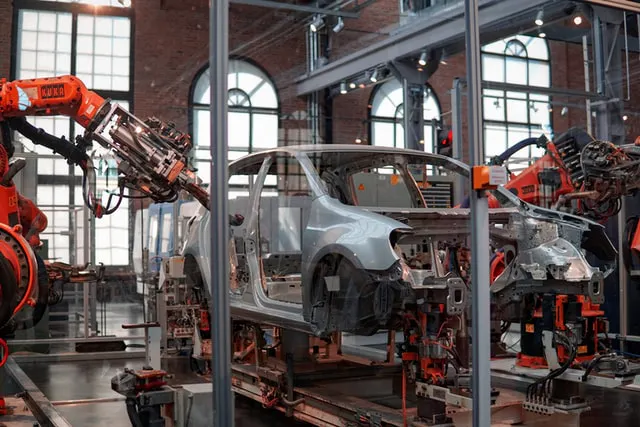
The manufacturing industry has seen both challenges and economic growth in the last year. Both the difficulties facing the industry and the increases in orders and production are likely to carry on into 2022, and that will have a significant impact on how manufacturers maintain competitiveness in the coming year.
The top trends manufacturers can expect to see in 2022 range from efforts to mitigate supply chain and staffing issues to maximizing automation, efficiency, and security.
1. Reshoring
Due in part to the supply chain issues facing manufacturers across the nation, there has been an increased effort to bring business back from overseas. The ongoing tariff war has also had an impact on incentivizing manufacturers to decrease their reliance on imports from foreign lands. The end result is a transformation in supply chain and inventory management processes, with many organizations finding ways to become more resilient as they change their procurement practices.
2. Inventory Management Changes
Historically, efficient inventory management has meant streamlining the amount of stock kept on hand in order to reduce costs associated with storage, taxes, and insurance. Every unit of inventory costs money, whether it’s raw materials, MRO items, or finished products, which has incentivized just-in-time inventory management and minimizing inventory counts as a whole.
However, that's become a liability as supply chain issues have caused delays in procuring replacement parts, materials, etc. Shortages have led to downtime as manufacturers run out of needed supplies, which can result in hundreds of thousands of dollars in lost production in a matter of hours.
One response has been to keep a safety stock of needed materials in case they cannot be replenished in a timely manner. In addition, manufacturers can expect to see more advancements in digital supply networks and analytics systems in order to empower a more agile response to shortages in the future.
3. New Recruitment Strategies
Aside from supply chain shortages, manufacturing has also seen an unprecedented number of empty skilled labor positions. While there was already a labor shortage in the industry, the recent pandemic has only made it more pronounced, with employment in the industry being down by 270,000 since February of 2020. While the situation does seem to have improved somewhat in recent months, there’s still a significant shortage that manufacturers will need to cope with.
For many, this will necessitate innovative and more concentrated recruitment strategies. Offering referral bonuses can help, as can recruiting from those industries that were hit hardest by the pandemic, such as hospitality. Finding ways to add flexibility to the workplace can also attract more people as working environments across the nation become more diverse.
4. Advanced Automation and AI
Advancements in automation and artificial intelligence (AI) are likely to continue into the new year, with new technologies showing promise when it comes to transforming manufacturing floors into far more reliable cutting-edge environments. According to research from Gartner, some of the top technological trends include:
Hyperautomation
Hyperautomation is an approach to business automation that involves vetting different processes to determine how best to automate them. By using machine learning and AI, businesses can automate as many of their processes as possible, from operations to IT.
Autonomic Technology
An autonomic system is one that is capable of dynamically updating its own algorithms in order to best meet the demands of its environment. Software capable of autonomic functionality can quickly adapt to changes and optimize its processes to the utmost, potentially increasing its reliability and efficiency.
Generative Design
Engineering new products is a lengthy process, but AI can make that process easier. Acting as a supplement to an engineer’s creativity, generative design processes can expand their capacity by developing new products while keeping manufacturability in mind. The end result is new offerings that require as few production processes as possible, all within a shorter time than purely human engineering would be able to create.
5. IIoT and Predictive Processes
Blending internet connectivity with manufacturing machines, condition monitoring devices and other hardware have become a staple in the industry, and in the coming year, that's likely to continue. Industrial Internet of Things (IIoT) and predictive analytics may well become a baseline standard for businesses to meet in order to remain competitive as time progresses.
The “smart factory” is becoming the gold standard of optimization and reliability in the field, and manufacturers will need to find ways to implement smart technology in order to minimize production downtime and streamline operating costs.
6. Increased ESG Investment
The industry as a whole is likely to become more conscious of environmental, social, and governance (ESG) issues in the coming years, following current trends. Environmental accountability has long been an important issue, and it will likely continue to be so as regulations in this area develop.
Diversity and reporting are becoming more and more of an issue as well, with manufacturers making greater efforts to be more transparent about ESG initiatives. Reporting on nonfinancial matters is likely to increase in the near future as well, making this an important trend to keep an eye on in 2022.
7. Cybersecurity
With the increased connectivity between physical operational processes and information technology, cybersecurity is of greater concern than ever before. Not only can intellectual property and finances be compromised in the event of a cyberattack, but so too can entire production processes, threatening both massive financial losses and high safety risks. Supplier networks, production, and the wellbeing of workers are all at risk.
These risks—coupled with increased regulatory oversight—are likely to push manufacturers to take steps to avoid these kinds of attacks as well as improve resiliency in the event that they do occur.
8. Asset Operations Management
Increased global competitiveness, scaling a business, inventory and supply chain management, and upskilling existing employees are all challenges the manufacturing industry is currently grappling with. In 2022, many organizations will turn to Asset Operations Management to assist with these challenges.
Asset Operations Management threads together an organization’s technician services, passive and active data, and unique operational blueprint to make it easier and faster for every employee to get what they need to do their jobs successfully.
Are You Prepared for 2022?
In 2022, the manufacturing industry is likely to trend more toward automation, accountability, and security, all while taking steps to mitigate the challenges posed by supply chain disruptions and diminished skilled labor pools. The industry is likely to continue growing despite the challenges.
Preparing to keep up with these trends will require careful planning, innovative thinking, and modern systems at all levels. Manufacturers who need a mission-critical solution to keep their facilities operating efficiently and effectively will turn to Asset Operations Management—a robust solution that contains enterprise software at the top level to a robust CMMS on the ground floor, coupled with predictive analytics and machine learning technology.
Are you ready to take on 2022? The time to start preparing is now.
Want to keep reading?


Article
Future of Manufacturing and Technology With Indranil Sircar


Article
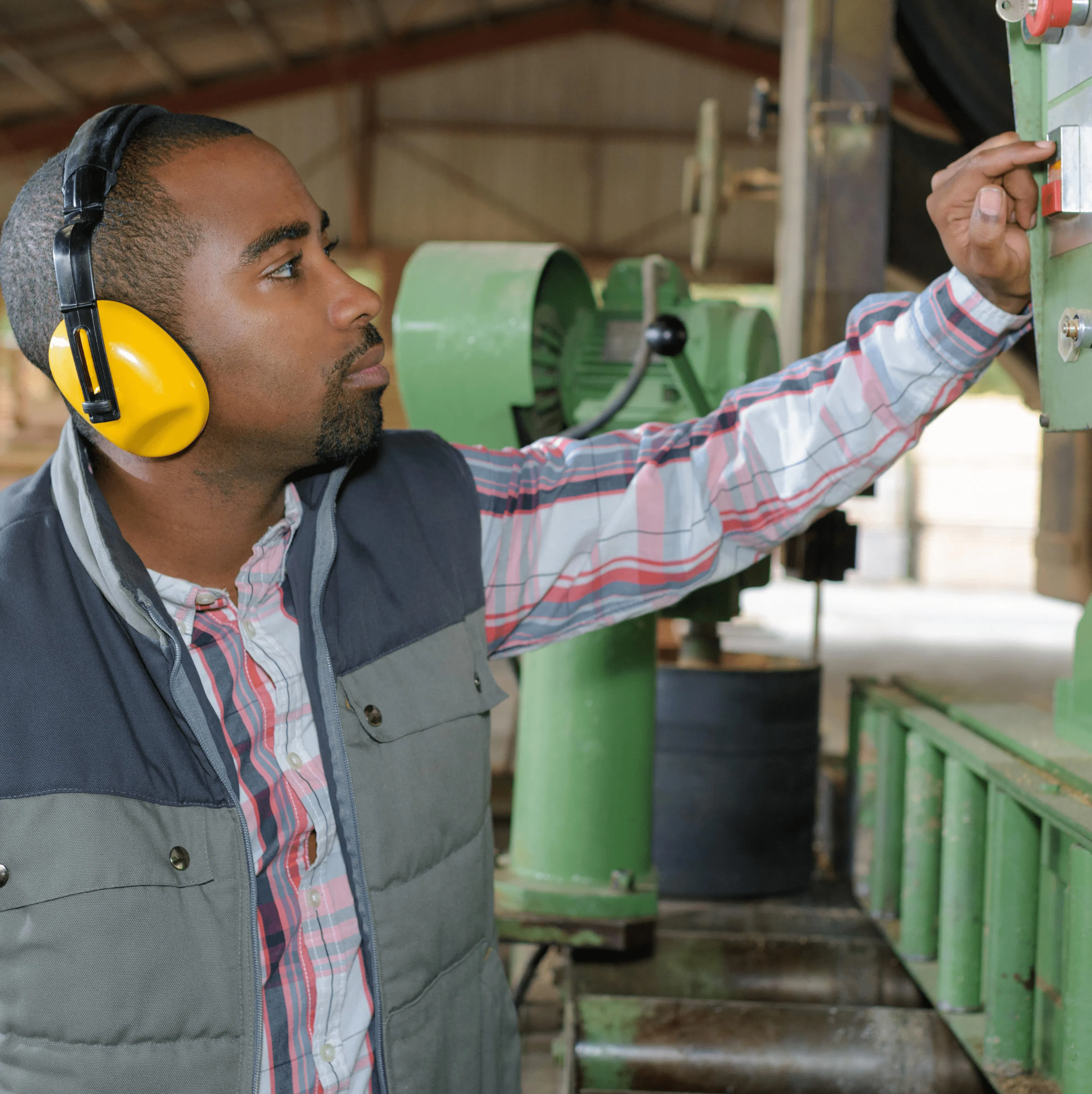
Exploring Preventive Maintenance Schedules for Manufacturing Equipment


Article
Maintenance KPI Dashboards | What Are They & How to Create?
4,000+ COMPANIES RELY ON ASSET OPERATIONS MANAGEMENT
Leading the Way to a Better Future for Maintenance and Reliability
Your asset and equipment data doesn't belong in a silo. UpKeep makes it simple to see where everything stands, all in one place. That means less guesswork and more time to focus on what matters.





![[Review Badge] Gartner Peer Insights (Dark)](https://www.datocms-assets.com/38028/1673900494-gartner-logo-dark.png?auto=compress&fm=webp&w=336)