Blog Post
Top Facility Management Trends 2023
Up to this day, the momentum for advancing technology keeps picking up. Computers are everywhere, the internet is faster than ever, and the applications are truly boundless. While the pandemic is a major setback, the pace for innovations offers a quick response.


Up to this day, the momentum for advancing technology keeps picking up. Computers are everywhere, the internet is faster than ever, and the applications are truly boundless. While the pandemic is a major setback, the pace for innovations offers a quick response.
Here are 7 top facility management trends to watch in 2023.
Internet of Things in Facilities


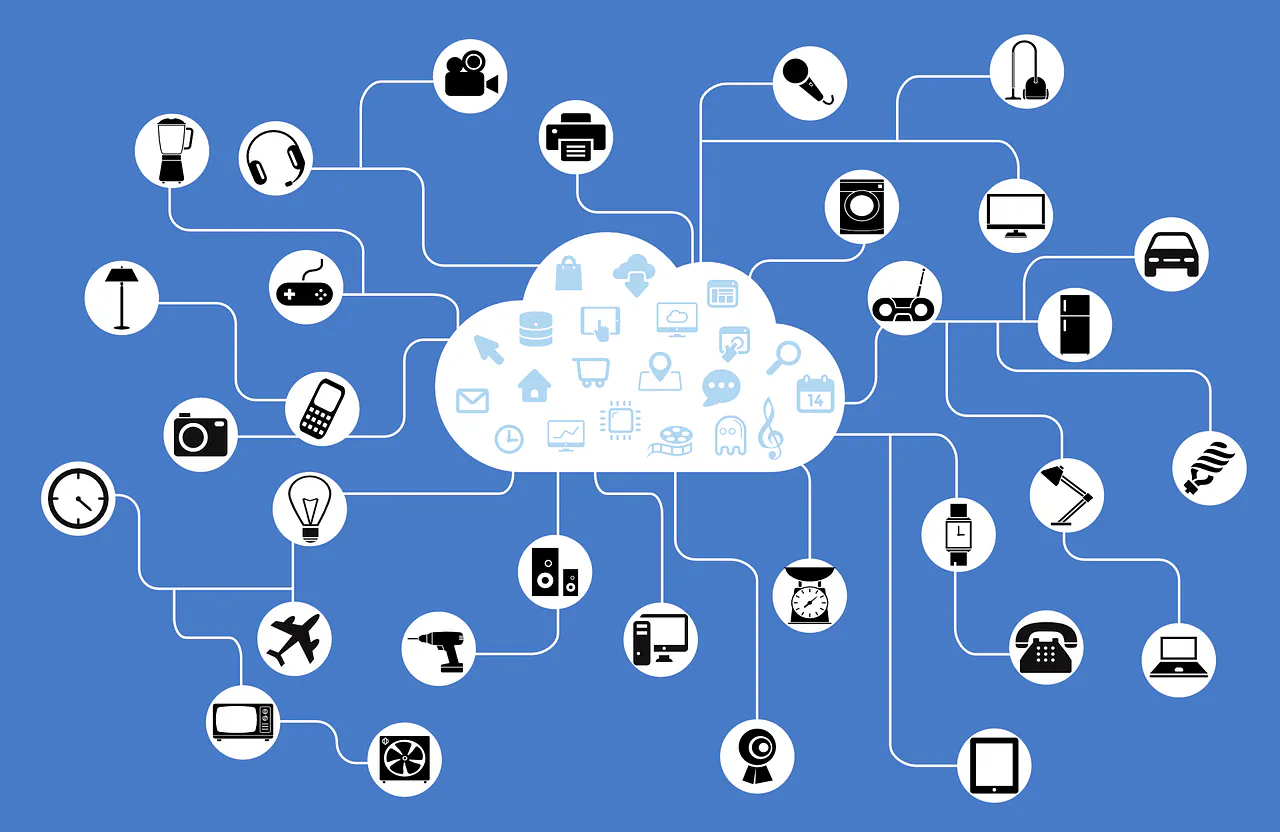
The Internet of Things (IoT) is an evolving technology that allows devices to communicate and share data seamlessly. As the name suggests, it works by creating a network connected through the internet. Physical devices such as sensors, computers, lighting systems, and air conditioning units can exchange information with a central interface through the cloud.
Imagine an IoT facility as a futuristic establishment employing smart devices capable of automated operations. Workspace conditions, for example, can be set according to personal preferences. Room lighting intensity, temperature levels, and display systems can automatically adjust as the need arises.
Examples of industrial applications of IoT in facilities include automated transport vehicles, adaptive ventilation systems, and personalized audio-visual communication devices. In these instances, devices can send or receive commands remotely. These commands come from a central system that can operate either autonomously or manually.
Green Buildings



Image by ecolife.zone
Environmental awareness is continually evolving from being a trend to becoming a longer-term commitment. As technology develops, being environmentally responsible comes hand in hand with resource efficiency. In the long term, sustainable practices offer an opportunity to reduce costs.
Green buildings demonstrate sustainable practices in the design and operation of a structure. Newly-built structures can focus more on design and construction practices that induce less stress on the environment. Older buildings may have limited options, but the installation of more energy-efficient equipment is a practical choice.
A key feature of green buildings is the efficient use of resources, including energy and water. HVAC systems, for example, can be automated to operate only when required. Given that buildings consume 47 billion gallons of water per day, water-saving strategies to maximize usage are also becoming a common focus.
Evolving Tools for Integrated Systems
A common theme for the coming years has a lot to do with maximizing information across the company. The first step to making data-driven decisions is to have the information in one accessible location.
Different types of software in the market approach integration in various ways. Computer-Aided Facility Management software, for example, helps automate management tasks such as space allocation and floor plan reporting.
Other tools carry on this trend by taking a more targeted approach. For instance, Computer Maintenance Management Software (CMMS) programs focus on maintenance and asset reliability. On the other hand, Enterprise Asset Management (EAM) software operates more broadly by tracking assets throughout their life cycles.
Remote Working



Remote working is one of the practices that has accelerated during the pandemic. While this has been a common practice long before lockdowns, working from home has recently become necessary for working adaptability. For more traditional offices, this translates to an increased requirement for remote collaboration.
While there remains a lot of uncertainties about the pandemic, the ability to adapt allows us to keep finding opportunities to improve the way we work. And with 87% of large companies adopting hybrid work, investing in communicative tools to increase business continuity makes a lot of sense.
Flexible Working Spaces
Work pattern changes have likewise changed how we understand office space requirements. More dynamic work set-ups are challenging what we've known to be traditional office space allocations. A flexible workspace is a general term that describes a shared working space arrangement without any dedicated spots assigned to an employee.
A few years back, flexible working spaces were typically the only choice for a smaller company with a limited working capital budget. Larger companies with more sizable fundings almost always went with a traditional structure. However, now that the volume of workers coming into offices has not been consistent, flexible working spaces have become a practical solution regardless of the size of operations.
As with remote working, what started for some as a response to necessity has become an opportunity to improve. Researchers have uncovered that employees consider coworking spaces a thriving environment compared to regular offices. Flexible working spaces are becoming more commonly a conscious alternative to boost productivity rather than just cut costs.
Safety Protocols


Whether a facility is purely for office space purposes or more industrial applications, safety should always be a priority. But even if safety remains a key concern, safety protocol considerations evolve with the changing times.
Traditional safety protocols include fire and earthquake exit plans, occupational safety standards, and physical access control systems. But again, the pandemic plays a role in expanding safety protocols to include health-related considerations. For instance, safety considerations might now include exposure risks and physically-distanced options. Increased air circulation, when possible, and improved air filtration are some other examples of ways to reduce the risk of spreading diseases.
Another area of security that is worth mentioning in a digitalizing world is cybersecurity. With devices connecting through the internet, there becomes a heightened risk if any weak point is compromised. Aside from more conventional physical safety mitigations, it is equally crucial for facilities to ensure that their virtual systems are protected.
Predictive Maintenance
Looking into the future has to be the most sought-after ability by any maintenance team. While there is no magic trick to foretell what comes next, predictive maintenance (PdM) is the next best thing. It is a maintenance strategy that uses data and advanced analytics to optimize when to service an asset. And the coming year shows a lot of promise in finding its practical applications to facility management.
In facility management, predictive maintenance works by maximizing the capability of interconnectedness through the Internet of Things. For example, remember that buildings extensively use HVAC equipment. A predictive maintenance strategy will aim to monitor the condition of the components of the system closely. By installing sensors that continuously collect and transmit data, analytics software can recommend the best schedules to perform maintenance tasks for extended equipment reliability.
Conclusion
The pandemic has been a strong influence in future-proofing the way we work. Facility management is an illustrative example of finding creative ways to achieve productivity. The trend for the coming years looks towards adaptability and resource management to usher in the new normal.
Want to keep reading?


Article
How good is your Preventive Maintenance Program?


Article
Top 5 Healthcare Technology Trends for 2023

Article
Machine Failures: 5 Main Causes and How To Prevent Them
4,000+ COMPANIES RELY ON ASSET OPERATIONS MANAGEMENT
Leading the Way to a Better Future for Maintenance and Reliability
Your asset and equipment data doesn't belong in a silo. UpKeep makes it simple to see where everything stands, all in one place. That means less guesswork and more time to focus on what matters.




![[Review Badge] Gartner Peer Insights (Dark)](https://www.datocms-assets.com/38028/1673900494-gartner-logo-dark.png?auto=compress&fm=webp&w=336)