
ENERGY & UTILITIES
CMMS Software for Energy & Utilities
Distributed assets, small crews.
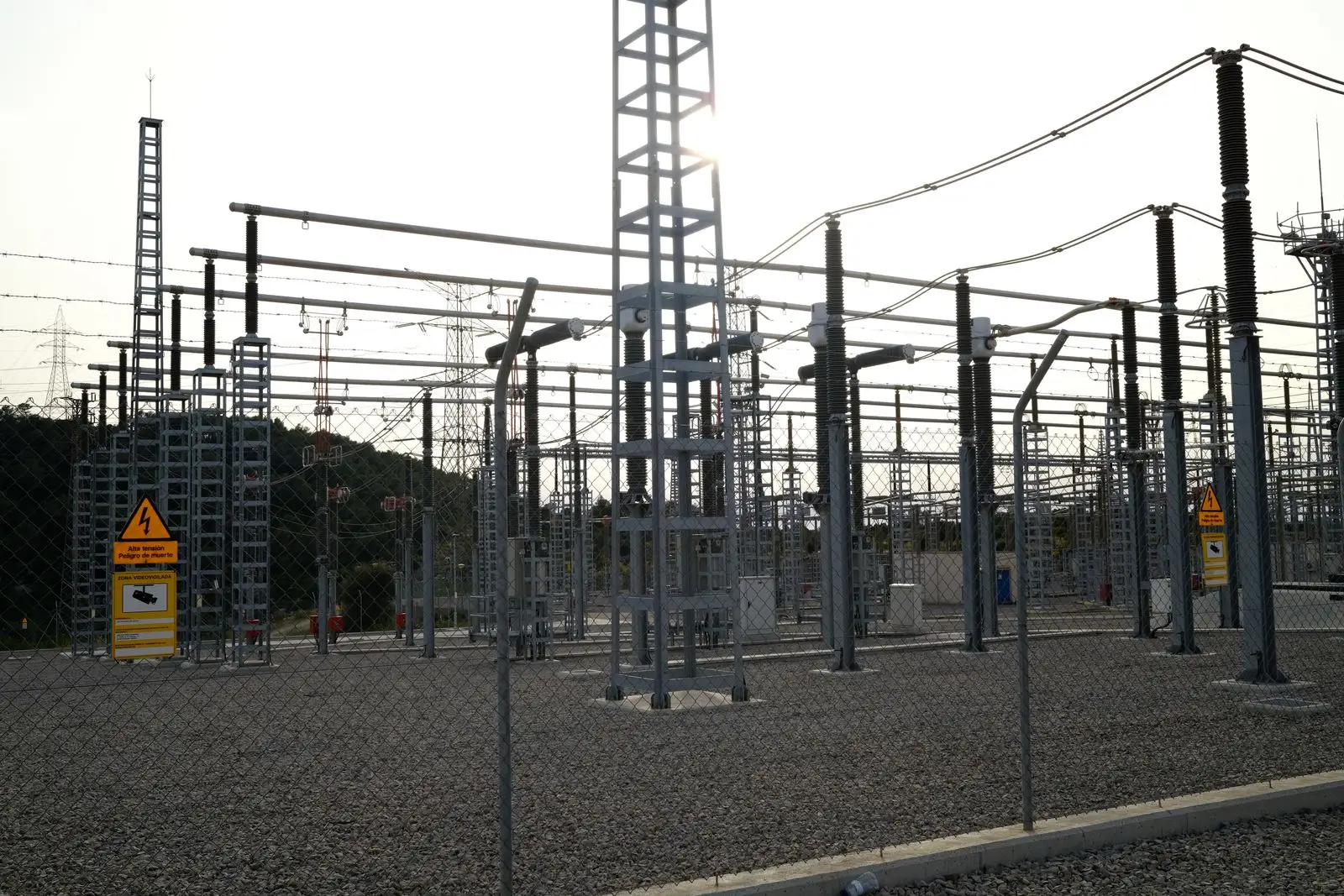
Substations, pump stations, and remote plant maintained on one system, with condition data coming back from sites nobody visits daily.
- Works offline in the field
- Remote condition monitoring
- Compliance records built in








WHAT CHANGES
What a CMMS changes for a utility
The assets are spread out and the crews are small. These are the four things operators tell us they are trying to fix.
Crews work from printed job packets and the completed paperwork reaches the office days later.
Work orders live on a phone and sync when there is signal, so the record is current rather than a week behind.
A remote site fails between visits and nobody knows until a scheduled check or a customer call.
Sensors report condition and runtime from unmanned sites, and an out-of-range reading opens a work order immediately.
Regulatory inspections are tracked on a spreadsheet and evidence is assembled after the fact.
Inspections are scheduled work with photos, timestamps, and sign-offs on the asset record.
Nobody can say which assets are consuming the maintenance budget.
Cost and failure history roll up by asset and by site from the work already closed.
RESULTS
Results from utility maintenance teams
Measured across UpKeep customers in an independent Forrester study.
90%
Reduction in technician time spent filing work orders and finding asset information
KEY WORKFLOWS
Maintenance workflows across a utility
Field crews, remote assets, and compliance are one workflow. These are the hand-offs that matter.
A crew works a site with no signal
- CMMS The work order, asset history, and procedure are all available offline on a phone.
- CMMS What was done syncs when the device reconnects, without re-entry at the office.
- Parts & Inventory Parts used come off the truck stock against that work order.
A regulatory inspection comes due
NOVA
Build the view across your sites
Nova is UpKeep's AI assistant, and it builds apps. Describe the report or inspection form you need in plain language and Nova builds it against your own asset and work order data.
See how Nova works- Which sites have needed the most unplanned visits this year?
- Build a substation inspection form that records a condition rating and photos.
- Show me maintenance cost per asset class across all sites.
PRODUCTS
Utility maintenance software features
These are apps, not an edition. Most operators start with the CMMS and add Edge for the sites nobody visits daily.
 Maintenance CMMS
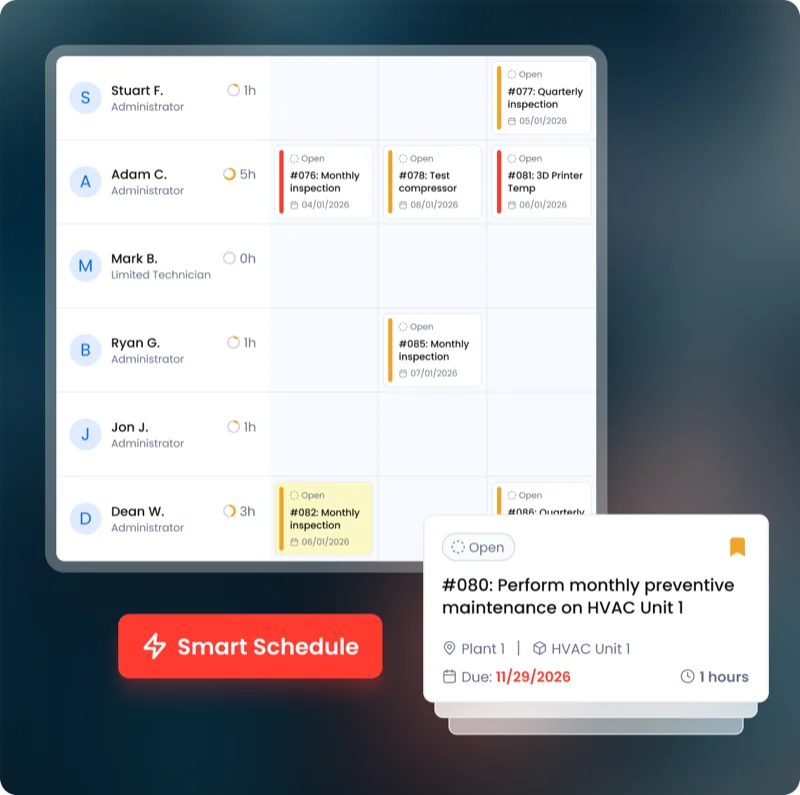
 Work orders, preventive maintenance, asset history, and parts. The system of record everything else hangs off.
Explore CMMS →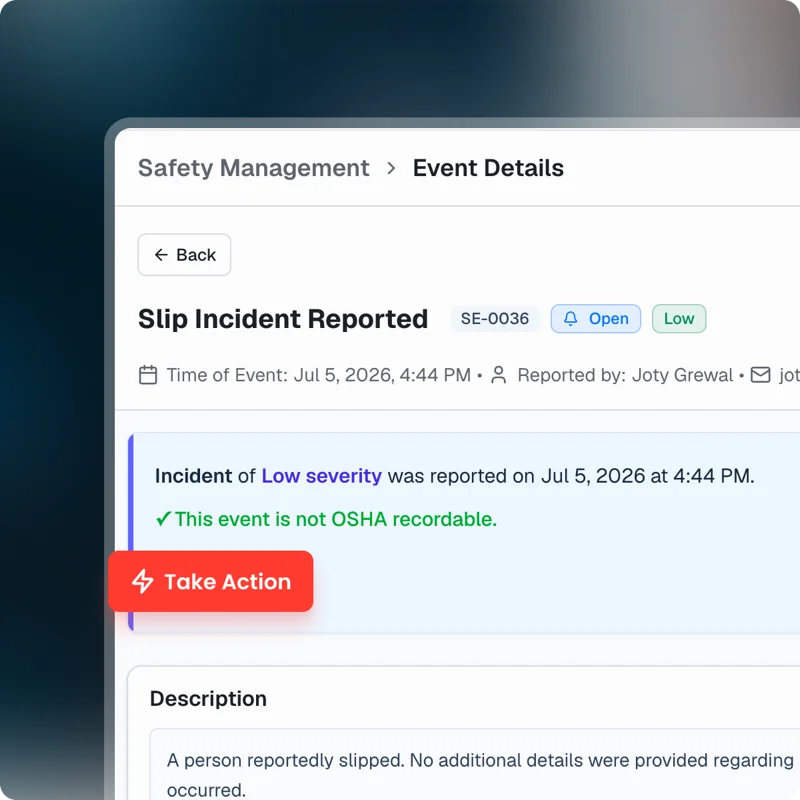 EHS Safety
 Incident capture from the floor by phone or voice, with OSHA 300, 300A, and 301 recordkeeping.
Explore Safety →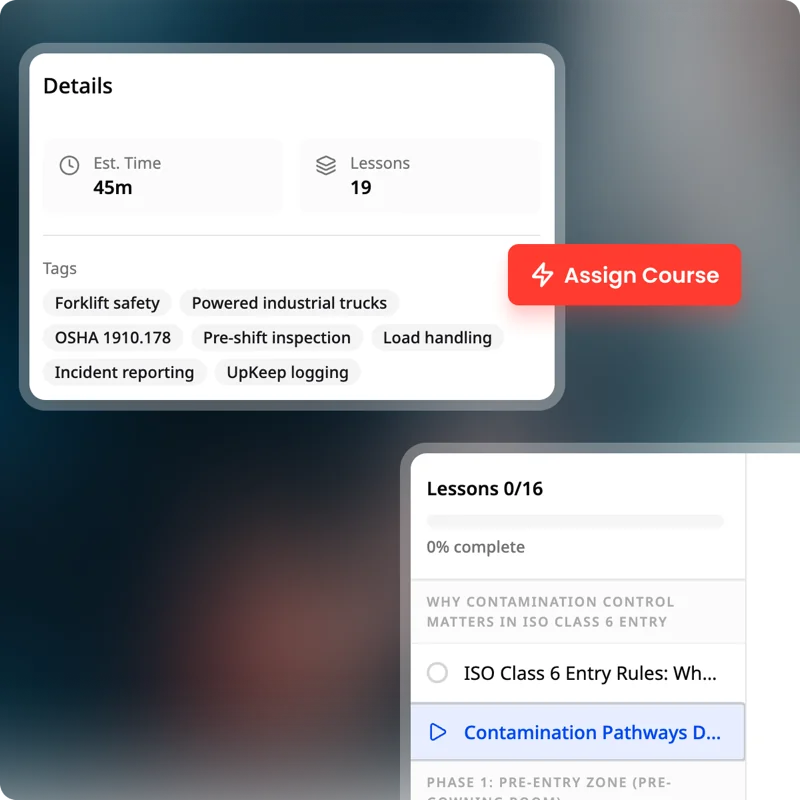 Training Learn
 Procedures, courses, and certifications tied to the people who do the work.
Explore Learn → Preventive Maintenance Schedule utility asset preventive maintenance on dates, meter readings, or hours run to protect uptime across remote sites.
Edge Sensors Put sensors on transformers and pumps at unmanned sites, so a rising temperature is caught without sending anyone to look.
Asset Management Every asset with its history, cost, documents, and hierarchy, from the site down to the component.
Parts & Inventory Spare parts, stock levels, and reorder points, consumed against the work order that used them.
Fleet Service bucket trucks and line crew vehicles on mileage or engine hours, so crews are not held up on an outage call.
Workforce Shifts, timecards, and labor cost against the work, so capacity is visible before you commit it.
Capital Planning Asset condition and replacement forecasting, so next year’s budget is based on real history.
Nova The AI assistant that answers questions about your data and builds custom apps from a description.
CUSTOMER STORIES
Teams running maintenance on UpKeep

Keeps kitchen equipment running across a footprint measured in thousands of sites.
Chick-fil-A
Read the story →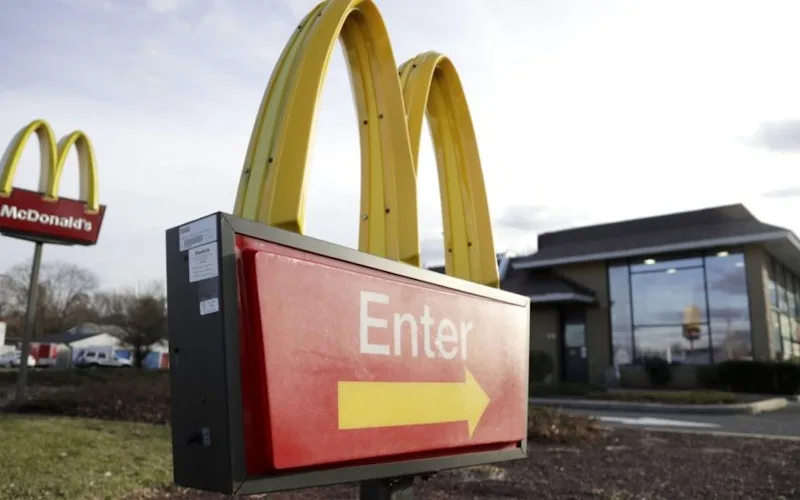
One operator runs maintenance across every restaurant he owns from a phone.
McDonald's
Read the story →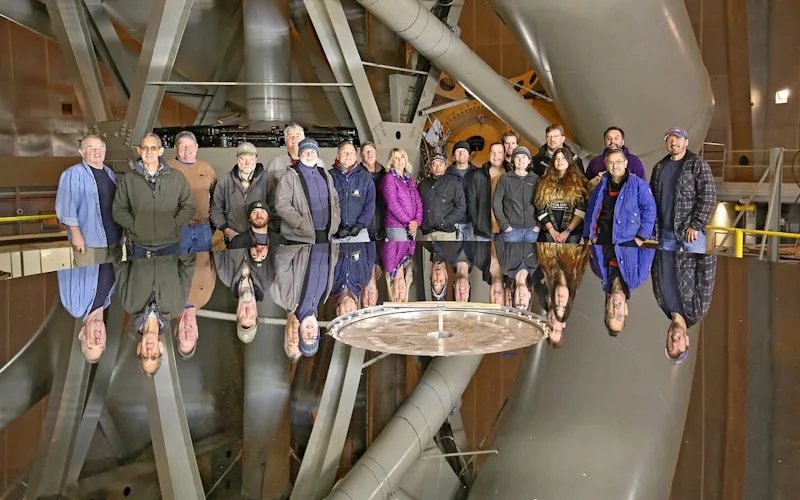
Moved campus crews off paper and onto digital preventive maintenance and work orders.
Caltech
Read the story →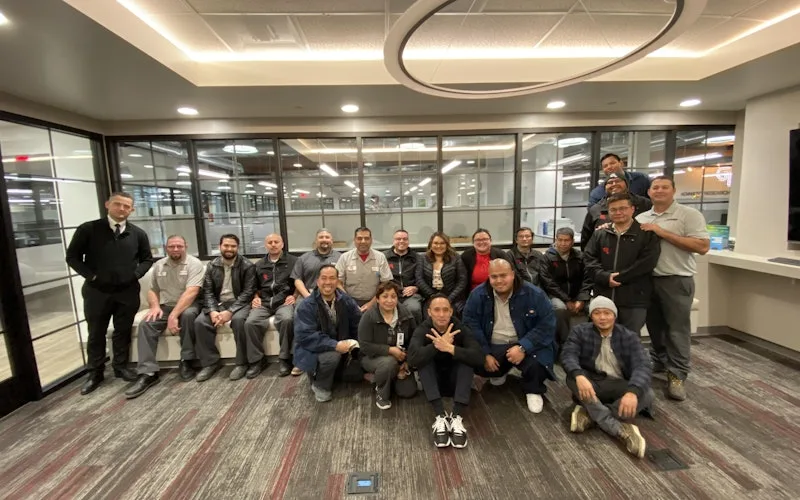
Standardized maintenance across one of the largest custom restorative labs in the world.
Glidewell
Read the story →
Moved from 60% reactive work to 20% by putting every asset on a recurring PM schedule.
Industrial manufacturer
Read the story →
Shifted work from reactive to preventive and brought maintenance costs down with it.
Layfield Group
Read the story →
Replaced paper tracking and manual data entry across the plant using Nova.
Sprinturf
Read the story →
Moved maintenance off paper and onto a system the whole team can see.
Old Trapper
Read the story →Utility maintenance software: common questions
What is a CMMS for utilities?
It is the system a utility uses to schedule preventive maintenance and inspections across distributed assets, dispatch work to field crews, and keep the compliance record.
The distinguishing constraints are distance and connectivity: assets are spread across a service area and crews frequently work where there is no signal.
Does UpKeep work offline in the field?
Yes. Work orders, asset history, and procedures are available on a phone without signal, and what the crew recorded syncs when the device reconnects. No re-entry back at the office.
Can UpKeep monitor remote or unmanned sites?
Yes, through Edge. Battery-powered wireless sensors report condition and runtime to a gateway, and a reading outside the range you set opens a work order. That closes the gap between scheduled visits, which is where most surprises live.
Is UpKeep an EAM like Maximo?
No, and for a large asset-intensive utility that distinction matters. A full EAM carries deep asset lifecycle, work management, and regulatory modules built for that scale, and utilities standardized on one usually keep it.
UpKeep fits smaller and mid-size operators, and the facilities-and-plant side of larger ones, where the priority is a system field crews will actually use.
Does it handle our vehicle fleet?
Yes, through Fleet. Service trucks and equipment are maintained on mileage or hours, with the work orders in the same queue as the fixed assets.
How much does utility maintenance software cost?
UpKeep is priced per user per month, based on the people creating and closing work orders rather than the number of assets or sites. See the pricing page for current tiers.
How long does implementation take?
Weeks. Most operators start with one asset class or one region: import the register, set the inspection and PM intervals, and get crews on the mobile app. Sensors follow at the sites where a missed failure costs the most.
FREE RESOURCES
Go deeper on maintenance
Practical guides and research from the UpKeep team. No cost, no sales call required.
 Guide
GuideThe Reliability Playbook: Capturing 20 Years of Know-How Before It Walks Out the Door
A fully staffed plant still loses hours to failures a retired technician would have caught in minutes. This playbook reframes the problem: knowledge is disappearing because no system was built to capture it. It lays out a three-part framework for closing that gap and shows what changed at one plant that stopped hiring its way out and instead started capturing what its people already knew.
Get the guide Report
The 2026 State of Maintenance Report
This year's report reflects a fundamental shift in how maintenance creates competitive advantage. While 90% of teams recognize what drives reliability, only 25% can consistently execute it. The gap between knowing and doing has become the defining challenge and opportunity of 2026.
Get the report Guide
GuideChange or Be Left Behind: The Urgent Need for Change Management in Maintenance
Effectively managing change enables maintenance teams to implement new technologies, streamline processes, and foster continuous improvement, all of which are necessary to thrive in today’s fast-paced environment. This guide outlines essential change management models
Get the guide
GET STARTED
See it against your own service area
We will walk through your asset register, your inspection intervals, and the sites that cost the most to visit.