Entrada en el Blog
La función de la tecnología de sensores en la revolución de la mantención preventiva.
Mientras que las tareas de mantenimiento preventivo siempre tendrán su lugar en un programa de gestión de activos integral, las tecnologías de sensores de mantenimiento predictivo de hoy prometen revolucionar la forma en que se maneja el mantenimiento preventivo y elevar aún más el nivel de rendimient


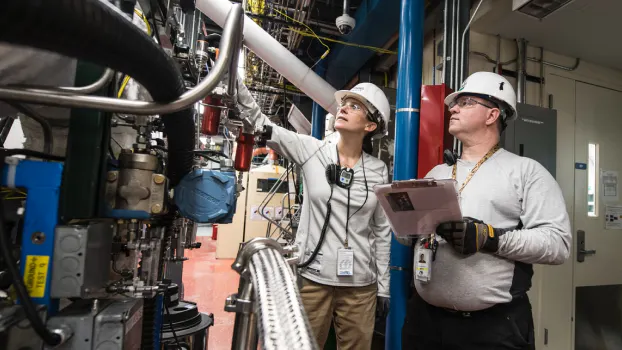
Workforce Diversity in Maintenance: Benefits and Strategies for Inclusion
With their roots planted as far back as the civil rights movement in the 1960s, diversity, equity, and inclusion (DEI) have become a priority for many companies and organizations around the world. Today, DEI goes far beyond simple demographics, extending to include different perspectives, experiences, and skills. Being able to embrace diversity of all aspects of the human person can broaden the creativity, ideas, and solutions available to any organization, including those in the maintenance industry.
The Importance of Diversity in Maintenance
Why are DEI issues important? First, many businesses today are trying to “do the right thing” and working to ensure that opportunities are available for underrepresented groups is one way they can achieve that. Second, prioritizing DEI can be a good business decision as well. As early as 2015, McKinsey was studying the economic impacts of DEI decisions in its Diversity Matters report. This report, based on data from 366 public companies around the world, noted that “companies in the top quartile for racial and ethnic diversity are 35 percent more likely to have financial returns above their respective national industry medians.”
Dialing into the maintenance industry specifically, DEI can help teams maximize their effectiveness and efficiency through:
Diverse Perspectives: Diverse teams bring a wider range of perspectives to problem-solving, leading to more innovative solutions. Maintenance teams that include individuals from different backgrounds, experiences, and skill sets can tackle challenges more effectively.
Improved Creativity: In maintenance, creativity is often required to find quick and cost-effective solutions. A diverse team can brainstorm and offer unique, out-of-the-box ideas that lead to more efficient processes and repairs.
Enhanced Communication: Effective communication is vital in maintenance, as team members must work together seamlessly. Diverse teams can offer multiple ways of communication, ensuring that issues are addressed quickly and efficiently.
Broader Skill Sets: A diverse maintenance workforce can draw from a wider pool of skills and knowledge, making it easier to address a variety of maintenance tasks. This versatility is a significant asset in an ever-changing work environment.
Better Adaptation: Maintenance teams often encounter unexpected challenges, such as new technologies or regulatory changes. A diverse workforce is better equipped to adapt and stay ahead of these changes.
Finally, DEI programs can help increase the number of people in the overall labor pool. Both the maintenance and the facilities management industry are facing an aging workforce and a lack of young talent entering the field. Add to that the rapidly evolving technologies that require specialized training and skills, and it’s easy to see that DEI may be able to help fill some of those growing labor needs.
Strategies for Fostering Inclusion in Maintenance
Before jumping on the DEI bandwagon, it’s important for businesses to understand that not all DEI programs and strategies are created equal. In fact, a Harvard Business Review article warns that the actual efficacy of an uncomfortably large proportion of DEI services is low. “Unconscious bias training rarely changes actual behaviors and has little impact on explicit biases. A meta-analysis of hundreds of prejudice-reduction interventions found few that unambiguously achieved their goals.”
Like any successful program, it’s important to begin by identifying specific DEI problems or objectives a maintenance team wishes to achieve before implementing general initiatives. For example, conducting bystander intervention training when employees report that they are uncomfortable speaking up when they witness discrimination would be more effective than forcing all employees to attend a mandatory 60-minute inspirational DEI speech.
Here are some specific ideas that may be appropriate for some maintenance organizations to address DEI issues.
Equal Opportunity Hiring: The first step in fostering diversity is to ensure equal opportunities in hiring. Implement policies that eliminate bias and encourage the recruitment of individuals from various backgrounds and demographics.
Inclusive Training: Provide ongoing training programs that focus on diversity and inclusion. Sensitize your workforce to the importance of these values and encourage them to embrace differences.
Mentorship Programs: Establish mentorship programs that pair experienced maintenance professionals with individuals from underrepresented groups. This provides guidance and support, increasing diversity at all levels of the organization.
Open Communication Channels: Create a culture that encourages open and honest communication. Employees should feel comfortable discussing diversity and inclusion concerns without fear of reprisal.
Celebrate Differences: Acknowledge and celebrate the unique qualities and skills that each team member brings to the maintenance department. This fosters a sense of belonging and value within the workforce.
Diverse Leadership: Ensure that diversity and inclusion extend to leadership positions within the maintenance department. A diverse leadership team can set a positive example for the rest of the organization.
Performance Evaluation: Implement performance evaluation criteria that are free from bias and that reward teamwork, collaboration, and the promotion of diversity and inclusion.
Employee Resource Groups: Encourage the formation of employee resource groups (ERGs) focused on diversity. ERGs can help create a sense of community and support for underrepresented groups.
Data Collection: Regularly collect data on diversity and inclusion efforts within the maintenance department. This data can help track progress and identify areas for improvement.
Continuous Improvement: Diversity and inclusion efforts should be ongoing, with a commitment to continuous improvement. Regularly assess the effectiveness of these initiatives and make adjustments as necessary.
Conclusion
A focus on DEI in the maintenance industry is not only a moral obligation, but a good business decision both in terms of how a company appears in the market and a solution to address the ongoing labor challenges. However, it’s important that specific DEI initiatives are well-thought-out and tailored to the unique challenges of an organization; otherwise, they risk becoming seen as another ineffective corporate program. DEI strategies that are based on feedback and input from employees and are tailored to organization-specific challenges are most effective and will yield the greatest results.
¿Quieres seguir leyendo?


Artículo
S2:E24 Diversidad e inclusión en la industria del mantenimiento con Charli K. Matthews



Artículo
Celebrando el impacto social en UpKeep

Artículo
T2:E14 Sube de nivel el liderazgo de tu organización con Rob Kalwarowsky
MÁS DE 4000 EMPRESAS CONFÍAN EN LA GESTIÓN DE OPERACIONES DE ACTIVOS
Liderando el camino hacia un futuro mejor para el mantenimiento y la confiabilidad
Los datos de sus activos y equipos no pertenecen a un silo. UpKeep simplifica ver dónde se encuentra todo, todo en un solo lugar. Eso significa menos conjeturas y más tiempo para concentrarse en lo que importa.




![[Review Badge] Gartner Peer Insights (Dark)](https://www.datocms-assets.com/38028/1673900494-gartner-logo-dark.png?auto=compress&fm=webp&w=336)