Entrada en el Blog
(duplicate) (duplicate) (duplicate) (duplicate)
Maintaining an efficient inventory system is crucial for any business, especially when it involves maintenance parts. Proper management ensures that operations run smoothly, reduces downtime, and minimizes costs.


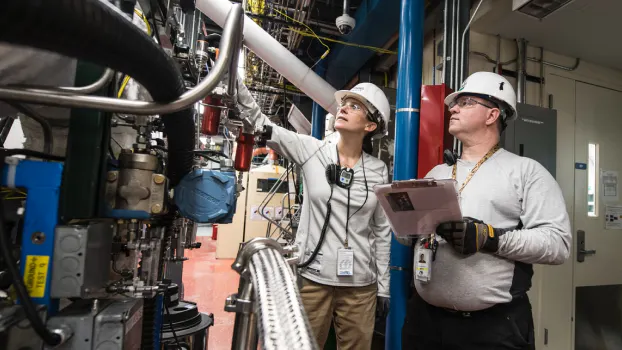
Maintenance & Reliability Economic Outlook for 2024
As we reach the halfway point in 2024, it’s a good time to take a look back and a look forward. Technological advancements, labor market challenges, and geopolitical tensions continue to influence the economy in all sectors, but particularly within maintenance and reliability.
Maintenance and reliability executives must stay the course, continuing to find ways to integrate technologies that can bring real-time decision making to the forefront, shore up supply chains to become as reliable and resilient as possible, and attract and retain skilled technicians. These are some of the key areas that have been and will continue to be critical to economic growth for the remainder of 2024. Yet, overall, a cautiously optimistic economic outlook seems to be shaping decision-making.
Trends shaping maintenance and reliability outlook
The economic terrain of 2024 is marked by a delicate balance between recovery and resilience. Even as the world puts the pandemic significantly behind them, the effects continue to be felt within the maintenance and reliability industry. Additional geopolitical tensions have been added to the mix along with supply chain disruptions and inflationary pressures. As a result, the industry faces significant challenges to sustained economic growth.
Some other key trends that are shaping maintenance and reliability economic outlook include:
Technology Integration: The integration of advanced technologies such as artificial intelligence (AI), Internet of Things (IoT), and predictive analytics continues to revolutionize maintenance and reliability practices. These technologies are enabling proactive maintenance, minimizing downtime, and optimizing asset performance.
Sustainability Imperative: As sustainability continues to take center stage, organizations are increasingly prioritizing eco-friendly maintenance and reliability practices. From renewable energy adoption to efficient resource utilization, sustainability-driven initiatives not only reduce environmental impact but also enhance operational efficiency and cost-effectiveness.
Remote Monitoring and Automation: The proliferation of remote monitoring capabilities and automation solutions empowers organizations to remotely oversee equipment health and performance in real-time. This trend is particularly significant amidst the ongoing labor market challenges and the need for remote work arrangements.
Resilience Building: In light of supply chain disruptions and geopolitical uncertainties, resilience-building efforts are paramount for organizations. This entails diversifying supply chains, strengthening vendor relationships, and implementing robust contingency plans to mitigate risks and ensure operational continuity.
Labor Initiatives: As the most experienced maintenance and reliability professionals continue to retire at rapid rates, organizations are seeking creative ways to attract, retain, and train the next generation. Partnering with local high schools and trade schools as well as establishing mentoring and apprenticeship programs are among the most successful initiatives.
Top strategies to embrace
According to an UpKeep survey, more than one-third of businesses see at least a 5 percent increase in maintenance spending for the year. In order to maximize those resources, organizations may want to embrace one or more of the top strategies:
Data-Driven Decision Making: Embrace data analytics and predictive maintenance algorithms to anticipate equipment failures and optimize maintenance schedules. By harnessing the power of data, organizations can enhance asset reliability and minimize unplanned downtime. For example, UpKeep’s DataHub is an integrated and centralized data ecosystem for collecting asset data, standardizing that data into common data models, and automating data-driven asset operations.
Invest in Training and Talent Development: Equip your workforce with the skills and knowledge required to effectively utilize advanced maintenance and reliability technologies. Investing in training programs ensures that personnel are proficient in leveraging cutting-edge tools and methodologies to drive operational excellence.
Collaborative Partnerships: Foster collaborative partnerships with suppliers, service providers, and industry peers to share best practices and insights. By leveraging collective expertise, organizations can enhance maintenance and reliability efficiency, drive innovation, and address common challenges collaboratively.
Embrace Sustainability: Integrate sustainability principles into maintenance and reliability strategies by adopting energy-efficient practices, optimizing resource utilization, and embracing circular economy principles. Sustainable practices not only minimizes environmental footprint but also enhances operational resilience and long-term viability.
Continual Improvement: Cultivate a culture of continual improvement within your organization, encouraging feedback loops, and embracing lessons learned from past experiences. By fostering a culture of innovation and adaptability, organizations can proactively respond to evolving economic dynamics and emerging challenges.
Conclusion
As organizations continue to navigate the complex economic landscape of 2024, the role of maintenance and reliability has never been more critical. By embracing technological innovations, sustainability principles, and collaborative partnerships, organizations can fortify their maintenance and reliability strategies, drive operational excellence, and thrive amidst uncertainty. By focusing on high return areas, organizations can pave the way for sustainable growth and resilience in the years to come.
¿Quieres seguir leyendo?
Artículo
La función de la tecnología de sensores en la revolución de la mantención preventiva.



Artículo
Las tensiones comerciales entre EE. UU. y China aumentan: análisis del impacto en la fabricación y la economía mundial


Artículo
Balance Cost-Cutting with Smart Investments in Manufacturing and Maintenance During Recession
MÁS DE 4000 EMPRESAS CONFÍAN EN LA GESTIÓN DE OPERACIONES DE ACTIVOS
Liderando el camino hacia un futuro mejor para el mantenimiento y la confiabilidad
Los datos de sus activos y equipos no pertenecen a un silo. UpKeep simplifica ver dónde se encuentra todo, todo en un solo lugar. Eso significa menos conjeturas y más tiempo para concentrarse en lo que importa.






![[Review Badge] Gartner Peer Insights (Dark)](https://www.datocms-assets.com/38028/1673900494-gartner-logo-dark.png?auto=compress&fm=webp&w=336)