Blog Post
Maintenance & Reliability Benchmarking: Enhancing Your Business's Operational Efficiency
As important as it is to measure key performance indicators (KPIs) in your business, benchmarking against industry standards takes measurement to a new level. Done right, maintenance and reliability benchmarking can bring your business’s operational efficiency to new heights.


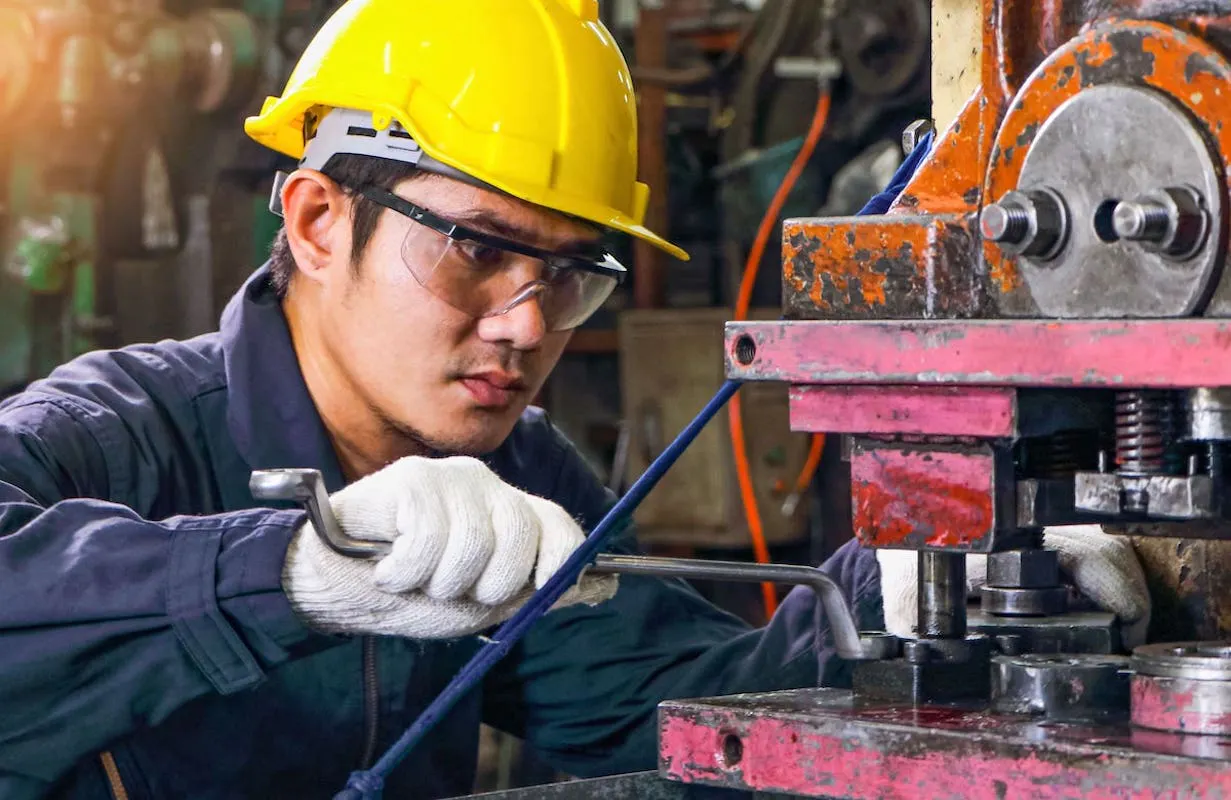
As important as it is to measure key performance indicators (KPIs) in your business, benchmarking against industry standards takes measurement to a new level. Done right, maintenance and reliability benchmarking can bring your business’s operational efficiency to new heights.
What is benchmarking?
Benchmarking is evaluating your company's performance by comparing its maintenance metrics, practices, and processes with others in your industry or against peer organizations. This comparative analysis helps identify gaps, highlight strengths, and set goals for continuous improvement. It’s an opportunity to learn from the experiences of many businesses with the goal of identifying the best practices that drive those metrics.
It’s important to understand that benchmarking isn't just about comparing scores, but it's also about identifying the processes that led to those metrics in the first place. This allows you to properly assess whether the industry best practices are applicable to your operations, helping you to mainain a high level of performance on an ongoing basis.
Essentially, it’s a way to measure how well your maintenance strategies and reliability metrics align with industry best practices and how they stack up against your competitors.
Benchmarking Steps
While specific benchmarking procedures may vary to suit a particular industry, company, or even circumstance, six general steps can guide your overall effort:
Identify current processes. Begin by selecting one team within your organization and gather the employees’ knowledge and experience regarding that team’s KPIs. Make a list that can be compared with other organizations. In this stage, clearly define what you want to achieve through benchmarking. Common objectives include reducing downtime, lowering maintenance costs, and improving equipment reliability. Identify key metrics to track, such as Mean Time Between Failures (MTBF), Mean Time to Repair (MTTR), and maintenance costs as a percentage of replacement asset value (RAV).
Research other companies. Choose industry leaders or peer organizations that excel in maintenance and reliability practices. These can be competitors, companies in similar industries, or organizations recognized for their best practices. Ensure that the benchmarking partners you select have comparable operational scopes and sizes to provide meaningful comparisons.Gather data on the performance of other organizations through industry maintenance journals or benchmark databases.
Determine best practices. Within your chosen process, select best practices based on the gathered data. This information can help you find ways to improve your own current processes.
Analyze the performance gap. Compare how your team is doing against the best performers. Gather data on your current maintenance practices and reliability metrics. This includes internal records, performance reports, and historical data. Obtain comparable data from your benchmarking partners or industry standards. Analyze this data to identify performance gaps and areas for improvement. This provides an objective assessment of where you stand in the industry.
Identify or update KPIs. Based on your current performance and the industry's best performances, set a realistic target and timeframe. Identify best practices and strategies that can be adopted to close performance gaps. This might include advanced maintenance techniques like predictive maintenance, implementing a computerized maintenance management system, or enhancing training programs for maintenance staff.
Track and improve. After implementing changes, continuously monitor your performance metrics to assess the impact of the new strategies. Regularly review and update your benchmarking data to ensure that your practices remain aligned with industry standards. Adjust your strategies as needed to address new challenges and opportunities. Encourage your team to embrace a mindset of continuous improvement. Share benchmarking results and progress with your staff to highlight successes and areas needing attention. Involve your team in identifying and implementing improvements to foster engagement and drive better results.
Examples of best practices
Although it’s important to look at your specific processes and organization, here are some general manufacturing benchmarks that are well-known for many companies.
Total plant availability should be greater than 97%
Planned or scheduled maintenance should make up 85% to 95% of maintenance activities
Reactive maintenance activities should be less than 15%
Overall equipment effectiveness score should be greater than 85%
Mean Time Between Failures (MTBF) should be no greater than one two-hour period per month
Mean Time to Repair (MTTR) should be fewer than five hours
Maintenance costs as a percentage of replacement asset value (RAV) should be between 2% and 5%
Why is Benchmarking Important?
Benchmarking is critical in today’s highly competitive marketplace. First, it helps you pinpoint weaknesses in your current maintenance strategies and equipment reliability. By comparing your practices with industry leaders, you can identify areas where improvements can be made.
Understanding where your operations stand relative to industry standards allows you to adopt best practices and implement processes that enhance efficiency, reduce downtime, and improve overall performance. This, in turn, enhances reliability: reliable equipment is essential for smooth operations. Benchmarking can help you understand how your reliability metrics compare with industry leaders and guide you in implementing strategies to enhance equipment performance and longevity.
Long term, benchmarking drives continuous improvement. Regular benchmarking fosters a culture of continuous improvement. By setting performance targets based on industry standards, you can motivate your team to strive for higher efficiency and reliability.
Conclusion
Maintenance and reliability benchmarking is a powerful tool for businesses seeking to enhance their operational efficiency and performance. By systematically comparing your maintenance practices and reliability metrics against industry standards and peers, you can uncover valuable insights, optimize your operations, and drive continuous improvement. Embrace benchmarking as a strategic approach to not only meet but exceed industry standards, positioning your organization for long-term success and competitive advantage.
Want to keep reading?


Article
KPIs in Action: Real-World Examples in Maintenance and Manufacturing



Article
What Is Maintenance Inventory and How Should You Track It?


Article
Fine-Tuning Success: A SMART Guide to Goals for Maintenance Departments
4,000+ COMPANIES RELY ON ASSET OPERATIONS MANAGEMENT
Leading the Way to a Better Future for Maintenance and Reliability
Your asset and equipment data doesn't belong in a silo. UpKeep makes it simple to see where everything stands, all in one place. That means less guesswork and more time to focus on what matters.






![[Review Badge] Gartner Peer Insights (Dark)](https://www.datocms-assets.com/38028/1673900494-gartner-logo-dark.png?auto=compress&fm=webp&w=336)