Blog Post
The Complete Guide to Golf Course Maintenance
Golf course maintenance is often underappreciated and falls into the background for both golfers and club management. Yet understanding all facets of golf course maintenance is critical to attracting loyal and regular members to your club. Adhering to best practices in the industry can help your club thrive, even in the most competitive environments.


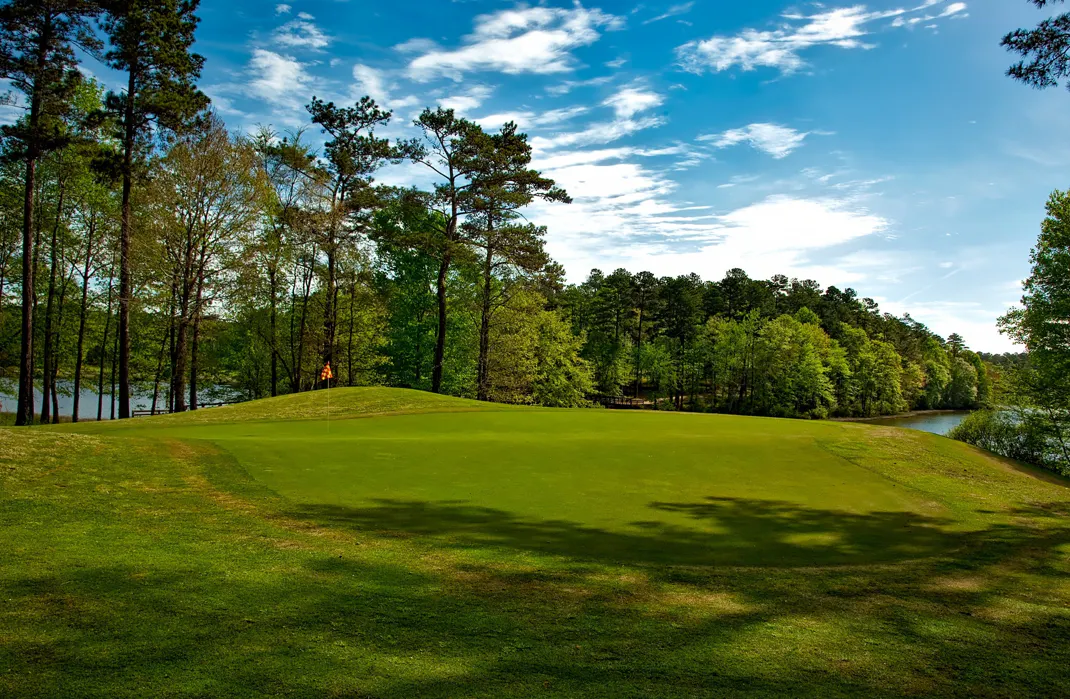
Golf course maintenance is often underappreciated and falls into the background for both golfers and club management. Yet understanding all facets of golf course maintenance is critical to attracting loyal and regular members to your club. Adhering to best practices in the industry can help your club thrive, even in the most competitive environments.
What Is Golf Course Maintenance?


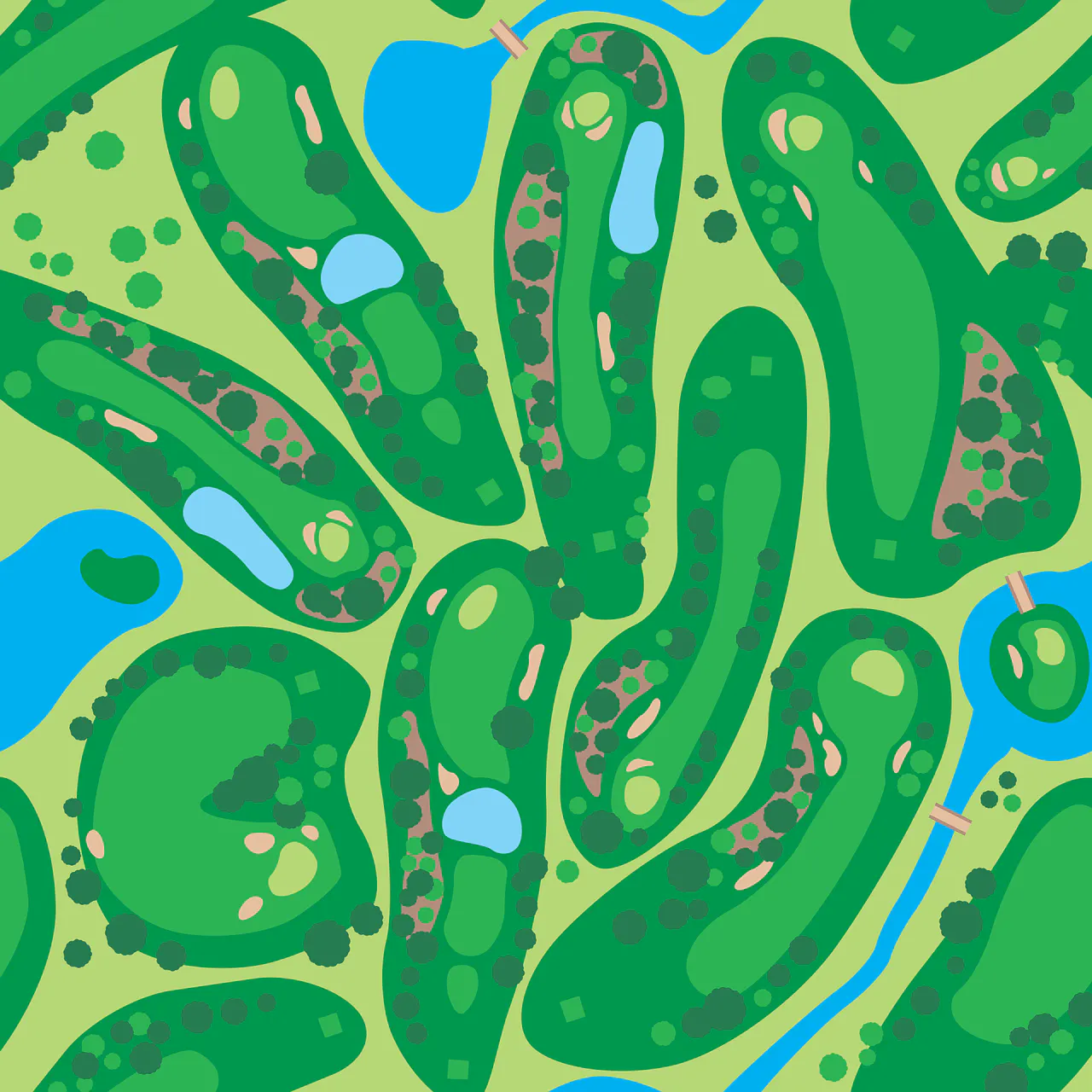
Golf course maintenance is probably much more involved that the average player can imagine. Not only do courses need to be meticulously managed and repaired on a regular basis, but the club house, carts, and all other aspects of the facility need to be cared for as well.
The fairway, the green, the rough, and even the hazards each require specific maintenance tasks such as irrigation, mowing, weed and pest control, and repairing player damage. Golf carts must be repaired and optimized for safe and effective performance just like any other motorized vehicle. The clubhouse itself demands the same type of maintenance that any other building requires: restrooms need attention, the HVAC system requires care, the restaurant or snack bar calls for maintenance, and janitorial tasks must be completed regularly.
How Do You Maintain a Golf Course?
Maintaining a golf course requires an organized and preventive approach to all these tasks. Ideally, a club uses an asset operations management (AOM) system that can unite maintenance, operations, and reliability data to help golf superintendents make important decisions about their course, with full visibility across the entire life cycle of maintenance, asset management, and operations.
The following are different specific aspects of golf course maintenance that should be included in creating an AOM system for overall management. Doing so will ensure that all these tasks are completed in a timely and effective way, keeping your course beautiful and one that your club members will enjoy. This, in turn, means loyal members, greater referrals, and more revenue for your club in the long run.
Common Golf Course Maintenance Chemicals and Equipment
Maintenance and repair always require machinery, equipment, chemicals, and tools particular to the requirements at hand. For golf courses, these can be fairly specific. Let’s review commonly required items organized by particular areas of the club itself.
The Golf Course


Obviously, the golf course itself will require the most maintenance to ensure that players get the best experience possible. Ensuring that the right type of foliage is growing in the right locations is a huge job, requiring several different types of mowers, machinery and chemicals.
Mowing Equipment
Putting Green Mowers. Available as either a walk-behind or a riding mower, greens mowers use reels, more blades, and a scissoring action to deliver a very precise, short cut that helps players achieve a consistent golf ball roll.
Greens Collar and Tee Box Mowers. Both these areas require similar cutting so a single mower can be used. Although walk-behind mowers are preferred for narrow collar mowing, some courses are widening this area to utilize a rider mower, which is faster for tee box cutting.
Approach Mowers. Walk-behind mowers minimize damage and can best manage tight approach areas.
Fairway Mowers. To accommodate this huge area, these mowers are typically large machines with multiple cutting units. Keeping high-quality equipment well-maintained is critical so that fairway mowers can do their jobs regularly throughout the season. Manufacturers are beginning to develop autonomous mowing equipment, which promises to change the nature of this task but will bring with it different maintenance issues.
Rough Mowers. Once the higher priority areas of the golf course have been cut and maintained, the maintenance team uses these mowers to care for the areas surrounding the course. High-end courses may employ both intermediate and rough mowers while most courses use only the latter.
Pest and Weed Control Chemicals
Just as pests, weeds, and other unwanted growth are unwelcome in your yard, they can cause problems for golf courses as well. Preventing problems is more important and easier to implement than trying to resolve them once they are well-entrenched. However, this facet of golf course management can be expensive and time-consuming, requiring prioritization of those problems that can cause the most damage.
Start by evaluating the particular issues in your location and climate. The type of weeds and pests will vary greatly depending on the locale, temperature, rainfall and so on, so having a season-by-season plan that targets the most prevalent problems for your specific area will be most effective. Conduct a soil analysis and familiarize yourself with your particular ecosystem before creating a plan.
Here are some common chemicals used in some combination on golf courses today:
Pre-Emergent Herbicides. These chemicals are sprayed to prevent seeds from germinating in the first place. They are often used in the early spring and late fall when growth is not as rampant.
Post-Emergent Herbicides. Once spring is in full bloom, broadleaf and grassy weeds often require spot treatments in particular areas of the golf course. This application can be minimized if pre-emergents did their job.
Fungicides. If you have fungus growth, these chemicals can help kill or slow spore growth effectively.
Insecticides. Just as insects can do major damage to food crops and home landscapes, many can be invasive on the golf course as well, damaging soil and turfs. These chemicals are targeted at insect control.
Growth Regulators. These chemicals are designed to stunt the growth of plants, preventing them from going to seed, which can reduce mowing labor costs.
Plant Stimulants. These hormones do the opposite: they can actually encourage seed growth, flowering times, leaf formation, direction of plant growth, and lifespan to help beautify golf courses.
With the increased focus on sustainability in recent years, golf courses have been under some pressure to find more natural, environmentally friendly ways to maintain their courses. While some organic solutions are now available on the market, they are often more difficult to work with, requiring very specific weather and climate conditions to be maximally effective, and need more frequent applications.
Other courses have replaced some chemical spraying with more manual management, but that can be labor-intensive and expensive as well. A few have found creative solutions such as planting ground cover or native plants to minimize problems or even using goats to assist with mowing efforts in areas surrounding the course itself.
Other Equipment
Golf courses require other equipment such as aerators, topdressing, and transportation machines, which all need maintenance and repair. Here is a brief summary:
Aerators. Both walk-behind and tractor-mounted aerators are needed for putting greens, collars, approaches, tee-boxes, and fairways to help cultivate these areas and keep them healthy. Aerators can decrease soil compaction, boost water infiltration, reduce thatch accumulation, help gas exchange, and create an environment for a deeper root system to grow.
Topdressing Machines. After aeration is complete, topdressing helps apply sand to fill in the resulting holes, which increases the turf’s firmness and reduces the accumulation of unwanted growth.
Vertical Mowing Units. These pieces of equipment can help get rid of thatch that has grown on the surface without harming the soil underneath.
Fertilization and Herbicide Equipment. Sprayers for liquid chemicals or machines used to spread granular products will need to be maintained and repaired.
Utility Vehicles. These are used for moving employees, tools, materials and equipment around the golf course. Some may be able to tow a trailer, and others are heavy duty enough to haul heavy materials like sand or gravel where needed.
Heavy Equipment. Golf courses can make these ongoing tasks much easier if they have heavy-duty equipment including pickup trucks, dump trucks or backhoes. All of that equipment must be maintained and repaired.
Other Equipment. Bunker rakes, blowers, sweepers, sod cutters, side-to-side rollers, and soil moisture meters are other possible tools that golf courses find useful.
Irrigation Systems
At one level, it can seem a little counterintuitive to water the grass that you just cut. After all, irrigation will just make the grass grow longer. However, having a well-irrigated golf course keeps the grass fresh, healthy, attractive, and at the highest playing quality.
Today, many automated and digitized systems are available that can help maintenance technicians easily regulate water flow to deliver the ideal amount in each area to promote excellent growth while avoiding overwatering and puddles.
Usually, a lake or pond on the golf course itself serves as the water source for an irrigation system and is connected to a pumping station. A network of pumps, valves, and water lines then move the water throughout the course as needed and can often carry fertilizers and other chemicals to their final destination. Everything from the pump station to the sprinkler heads must be inspected, maintained, repaired or replaced on a regular schedule.
Ponds
Speaking of ponds as a water source, many of these man-made or natural bodies of water require their own level of maintenance including aerating and dredging to help keep them clean and free of sediment, algae and insects.
The Golf Cart


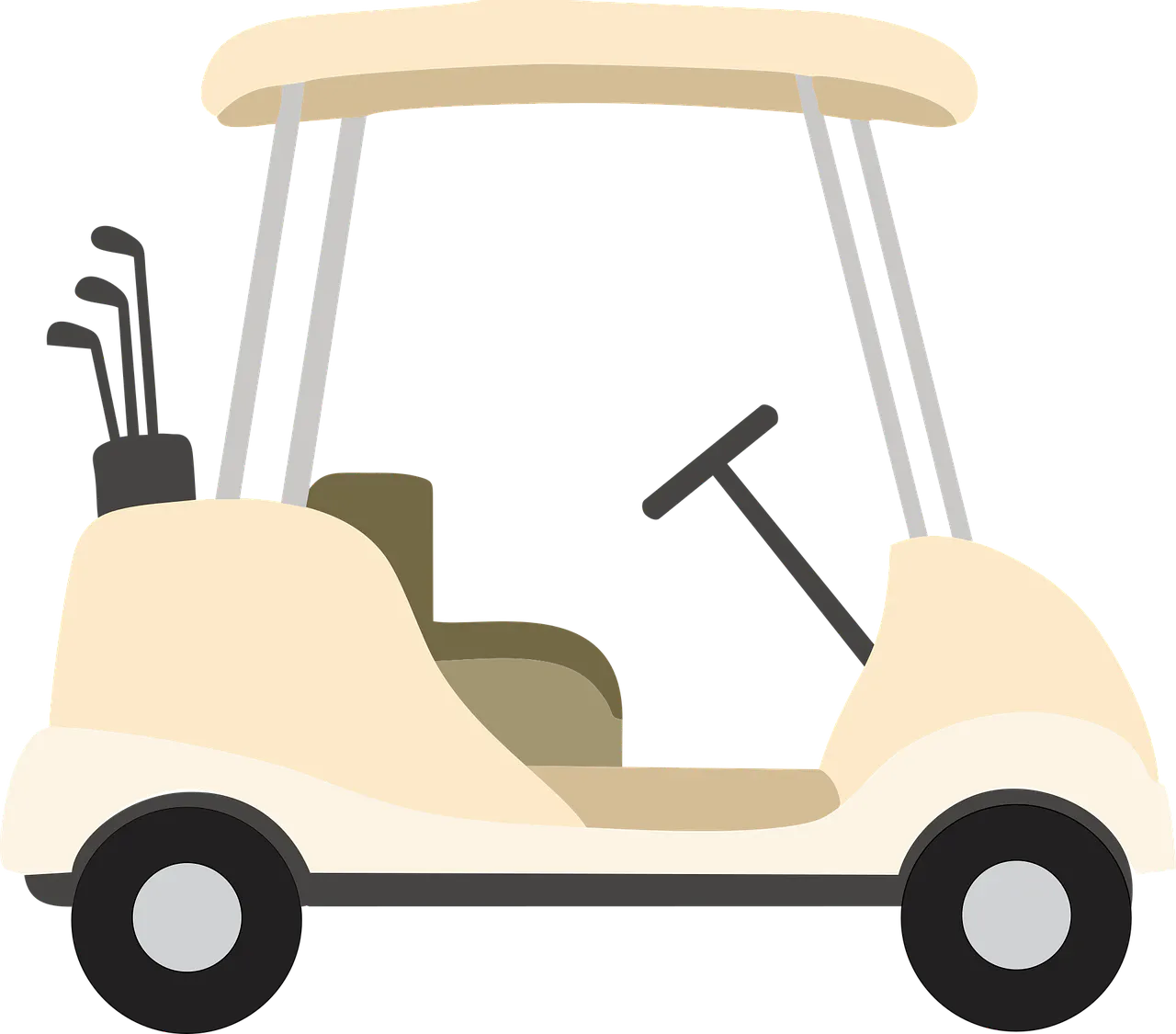
Keeping golf carts running and in good working order requires regular preventive maintenance. Here are top ways to keep your carts running well:
Charge Unused Carts. Be sure that any golf cart that is not currently being used is plugged into a charging station to make sure they are ready to go.
Check Water Levels. The lead plates in your cart batteries must be completely covered with distilled water to work properly. Be sure to inspect those levels regularly; frequent usage may require a monthly refill.
Clean Connections. Battery connections should be clean and tight, showing no corrosion or dirt. Inspecting connections can be done while you’re checking water levels.
Inflate Tires. Just like any motorized vehicle, a golf cart requires properly inflated tires to work smoothly effectively. This will also keep the tires themselves in good working order and extend their lifespan.
Inspect Brakes. On an annual basis, check the condition of the brakes, inspecting pads, drums and cables. Adjustments or replacements may be needed.
Watch Oil Leaks. Be aware of any oil leaks from your golf carts; they can signal a more serious problem.
Schedule Annual Service. Once a year, consider taking your carts in for a complete maintenance inspection by a professional to address any major problems that may have developed or complete other in-depth preventive maintenance tasks.
The Clubhouse
From having an immaculate and welcoming lobby area to delivering the food and beverages your club members love, the clubhouse requires yet another set of maintenance tasks that must be completed on a regular basis.
Benefits of Good Golf Course Maintenance



Most of the benefits of good golf course maintenance revolve around delivering an excellent golfing experience to your club members. They want to have a good game in a beautiful and well-maintained space, and that takes a fair amount of work. However, once a system is in place, the myriad of tasks can be ticked off like clockwork. The results include:
Beautiful Grass. When most people think of golf courses, they think of a lot of grass. That well-maintained grass holds down the growth of moss, algae, weeds, and other unwelcome pests.
Welcoming Fairways. As long as fairways are cut once a week, they can provide excellent landing areas for golfers.
Effective Pest Control. When pre-emergent pesticides are used early and grass is well-maintained from the beginning, pest control throughout the entire season is more effective.
Pleasant Surroundings. Having well-maintained benches, lobby areas, restrooms, ball washers and trash receptacles make the entire experience a pleasant one for club members.
Free Marketing. Word-of-mouth and referrals are effective marketing vehicles for any business. Providing a relaxing and enjoyable golf course for current members is a sure way to attract future ones. In addition, if your club offers an excellent restaurant, those who come for a meal are introduced to your course, encouraging them to consider your course for their playing pleasure.
Golf Course Maintenance Tips and Tricks
Regular maintenance of a golf course clearly requires an organized and experienced approach. Here are some other tips and tricks that you may want to employ:
Compare Notes. Most golf courses from the small one down the street to a PGA course all struggle with similar issues. Take the time to learn what others are doing in terms of maintenance and steal their best ideas.
Read Industry Media. Whether that means subscribing to a trade magazine or following an expert on social media, keep your own knowledge sharp and current.
Focus on Conservation. Not only does smart water usage and minimal chemical applications save your club money, they are good for the environment and help show your community that you care about future generations.
Plan Ahead. Besides all the day-to-day work that must be done, keep a running list of major repairs or improvements that should be tackled during the off-season or capital projects for upcoming years.
Prioritize High Traffic Areas: Certain areas of your course will see more wear and damage. Be sure to dedicate more resources to keep those areas in tiptop condition.
Harness Club Members. After all, this work is being done for them. Encourage golfers to be conscientious and take ownership of their course to help keep it looking beautiful. Educate them about repairing minor scuffs, keeping carts on paths, or raking sand traps.
How Can Asset Operations Management Assist With Golf Course Maintenance
AOM closes the divide between maintenance, reliability, and operations teams when it comes to golf course maintenance. By fusing the capabilities found in popular computerized maintenance management systems (CMMS), enterprise asset management (EAM), and asset performance management (APM) solutions, AOM captures and leverages active and passive data from each functional area to provide a complete asset operations life cycle view.
UpKeep’s mobile-first solution is designed for ease of use on the golf course and in the clubhouse, with an emphasis on painless adoption throughout the organization to help create a single source of record. AOM helps keep golf courses well-maintained, in excellent repair, and most importantly, a source of rest, relaxation, and enjoyment for your club members.
4,000+ COMPANIES RELY ON ASSET OPERATIONS MANAGEMENT
Leading the Way to a Better Future for Maintenance and Reliability
Your asset and equipment data doesn't belong in a silo. UpKeep makes it simple to see where everything stands, all in one place. That means less guesswork and more time to focus on what matters.






![[Review Badge] Gartner Peer Insights (Dark)](https://www.datocms-assets.com/38028/1673900494-gartner-logo-dark.png?auto=compress&fm=webp&w=336)