Entrada en el Blog
A Complete Guide to Construction Equipment Maintenance: Checklists & Best Practices
Learn how to maintain construction equipment with checklists, best practices, and CMMS tools that reduce downtime, extend asset life, and improve safety.



Key Takeaways:
Shifting from a reactive run-to-failure model to a scheduled, preventive maintenance plan is proven to extend equipment life, reduce costly downtime, and deliver a clear return on investment (ROI).
A CMMS is a critical tool in construction maintenance for automating schedules, providing mobile access to technicians, tracking asset history, and creating a digital audit trail for safety and compliance.
Construction equipment checklists ensure that operators and technicians systematically identify and address minor issues before they escalate into major, project-stopping failures.
A documented maintenance program, often managed in a CMMS, provides the necessary proof that equipment is safe to operate and meets strict regulatory standards.
Understanding Construction Equipment Maintenance
Construction equipment maintenance refers to the regular upkeep, repair, and servicing of machinery used on a job site—from tools and vehicles to heavy machinery like excavators, bulldozers, and cranes. The primary goal is to keep all equipment safe, efficient, and fully operational. An effective plan prevents breakdowns, reduces unplanned downtime, extends asset lifespan, and ensures compliance with safety regulations, all while avoiding high emergency repair costs.
Key Maintenance Strategies
A successful construction equipment maintenance program strikes a balance between different approaches to optimize resources and asset health. Understanding each type helps teams allocate budgets and labor more effectively:
Preventive Maintenance: This is a proactive strategy involving routine, scheduled servicing of equipment to prevent failures before they occur. This includes tasks such as oil changes, filter replacements, and regular inspections, which are performed at specified time intervals or usage hours.
Predictive Maintenance: This advanced approach utilizes technology and data analysis to monitor equipment condition in real-time. By tracking performance metrics and utilizing sensors, teams can predict when a part is likely to fail and schedule maintenance just before it does, thereby maximizing component life.
Reactive Maintenance: Also known as breakdown or corrective maintenance, this involves repairing equipment after it has already malfunctioned or failed. While sometimes unavoidable, relying heavily on this "run-to-failure" strategy is often the most expensive and disruptive due to significant, unscheduled downtime.
Your Construction Equipment Maintenance Checklist (Samples)
Download Sample Construction Equipment Maintenance Checklist
The General Daily Pre-Start Checklist (For All Equipment)
This is a universal checklist for operators to follow at the start of every shift, ensuring basic safety and functionality.
Fluid Levels: Check the engine oil, hydraulic fluid, coolant, and fuel levels.
Leaks: Visually inspect the area under the machine for any fluid puddles or drips.
Tires/Tracks
For tires: Check pressure and overall condition, looking for damage or wear.
For tracks: Inspect tension and look for wear or damage.
Structural & Attachments
Inspect attachments like buckets, blades, or forks.
Inspect these implements for any cracks or damage.
Operator's Cab & Access
Ensure the cab is clean.
Check steps and handholds for safe access.
Verify windows and mirrors are clean and undamaged.
Check the seat and seatbelt for wear or damage.
Controls & Instruments
Test all controls for proper function.
Check the steering.
Ensure all gauges are working correctly.
Safety Systems & Gear
Test the lights, horn, brakes, and backup alarms.
Verify the fire extinguisher is present and charged.
Ensure the first aid kit is stocked and readily available.
Weekly / 50-Hour Checklist Items
This check builds on the daily inspection with more thorough integrity and lubrication tasks.
Lubrication: Lubricate all grease fittings and pivot points according to the manufacturer's recommendations.
Battery: Inspect battery terminals for any corrosion and clean them. Ensure connections are tight.
Filters: Clean or replace primary air intake and cab filters, especially in dusty conditions.
Hydraulics: Inspect all hydraulic hoses, lines, and fittings for leaks, cracks, or surface wear.
Belts & Chains: Check all engine and fan belts for proper tension, cracking, or fraying.
Tires & Tracks: Check tire inflation pressure. On tracked machines, check track tension (sag) and clear debris from the undercarriage.
Electrical: Test all lights, indicators, and alarms to ensure they are functioning properly.
Hardware: Visually inspect for and tighten any loose bolts or fasteners.
Monthly / 250-Hour Service
This is a major preventive service interval that focuses on fluids, filters, and more thorough inspections.
Engine Service: Change the engine oil and replace the engine oil filter.
Fluid Analysis: Take Scheduled Oil Sampling (SOS) samples from the engine, hydraulics, and transmission before draining the fluids to send for analysis.
Fuel System: Replace the fuel filter(s) and drain any water or sediment from the fuel tank.
Hydraulic System: Replace the hydraulic filter element(s). Check the hydraulic fluid level and top it off if necessary.
Drivetrain: Check the oil levels in the final drives and travel gearbox.
Belts & Hoses: Inspect all belts and hoses for wear and tear. Adjust belt tension if needed.
Tracks & Wheels: Formally check and adjust track tension. Check wheel lug nuts for proper torque.
Brakes: Inspect brake pads and shoes for wear (if accessible).
Cab: Replace the cabin air filter.
Annual / 2,000-Hour Service
This is a comprehensive overhaul service that often requires the expertise of a certified technician.
Major Fluid Change:
Hydraulics: Change the hydraulic oil and replace all hydraulic filters.
Cooling System: Flush the system and change the engine coolant (antifreeze).
Drivetrain: Change the transmission oil and filter, as well as the oil in the gear compartments and final drives.
Engine Service:
Check and adjust the engine valve clearance.
Inspect, clean, or replace fuel injectors as needed.
Inspect the alternator and starting motor.
Structural & Safety Inspection:
Conduct a thorough inspection of the main frame, boom, and stick for any structural cracks, with a particular focus on welds. This may involve NDT (Non-Destructive Testing).
Inspect the ROPS (Rollover Protective Structure) for any damage or unauthorized modifications.
Complete a full certification of all safety systems.
Construction Maintenance Checklists by Equipment Type
Excavators
Boom, Stick, and Bucket: Inspect for structural cracks, especially at weld points. Check all pins and bushings for looseness or wear. Inspect bucket teeth and side cutters for wear or damage.
Hydraulics: Check hydraulic fluid levels. Inspect all hoses and cylinders for leaks, abrasions, or damage. Check the hydraulic filter indicator.
Undercarriage: Check track tension (sag). Inspect track pads, rollers, idlers, and sprockets for wear or damage. Clean out mud and debris.
Swing Mechanism: Check the swing gear and motor for leaks. Listen for unusual noises during rotation.
Bulldozers
Blade and Ripper: Inspect the blade's cutting edges and end bits for wear or cracks. Check blade push arms and trunnions for wear. If equipped, inspect ripper shanks and teeth for damage.
Undercarriage: Check track tension. Inspect track grousers (cleats), rollers, and idlers for wear.
Engine Compartment: Check for debris buildup, especially around the radiator and exhaust.
Hydraulics: Inspect blade lift, tilt, and angle cylinders for any leaks.
Cranes
Wire Ropes and Hooks: Inspect all wire ropes for broken strands, kinks, crushing, or lack of lubrication. Inspect the hook for cracks or wear on the throat opening, and verify that the safety latch is functioning properly.
Safety Systems: Test the Load Moment Indicator (LMI) or Rated Capacity Indicator (RCI) to ensure proper operation. Test all limit switches, such as the anti-two-block device. Check the horn and all operational lights.
Structure and Stability: Inspect the boom structure for cracks or damage. Check the outrigger beams and pads for integrity, and inspect for hydraulic leaks.
Sheaves: Inspect all sheaves (pulleys) to ensure they rotate freely and check for wear in the grooves.
Wheel Loaders
Bucket and Linkage: Inspect bucket cutting edge, teeth, and side cutters for wear. Check all loader arm pins and bushings for wear or looseness.
Tires: Check tire pressure and inspect for cuts, gouges, or significant lug wear.
Articulation: Inspect the center articulation joint for any play or damage. Check steering cylinders for leaks.
Hydraulics: Check lift and tilt cylinder operation and inspect for leaks.
Graders
Moldboard (Blade): Inspect the cutting edges and end bits for wear. Check the circle drive for damaged teeth or wear.
Articulation and Wheels: Inspect the frame articulation joint for proper alignment. Check wheel lean and steering operation.
Tires: Check all tire pressures, paying special attention to the tandem drive wheels.
Attachments: If equipped, inspect scarifier or ripper teeth for wear and damage.
Dump Trucks
Dump Box and Hoist: Inspect the box floor and walls for damage or holes. Check the hydraulic hoist cylinder for leaks and ensure smooth operation.
Tailgate: Verify the tailgate hinges, pins, and locking mechanism are functional.
Frame and Suspension: Visually inspect the truck frame for cracks, especially around the dump box hinges.
Brakes and Lights: Check air brake systems for leaks. Test all service brakes, parking brakes, and all vehicle lights (including headlights, brake lights, and turn signals).
Backhoes
Loader and Hoe: Inspect both the front loader bucket and the rear backhoe bucket/teeth for wear. Check all pins and bushings on both ends.
Stabilizers: Check stabilizer legs and pads for damage. Inspect stabilizer hydraulic cylinders for leaks.
Swing Mechanism: Check the backhoe swing tower for any play or leaks.
Controls: Ensure controls switch smoothly between loader and backhoe operation.
Concrete Mixers
Drum and Blades: Inspect the drum exterior for damage and the interior mixing blades (fins) for wear or concrete buildup.
Rotation System: Check the hydraulic motor, gearbox, and chain/drive system for leaks, proper tension, and lubrication.
Chutes: Inspect all extension chutes for cracks or wear. Check the chute lift and swing mechanism (hydraulic or manual).
Water System: Verify the onboard water tank level and check the pump and spray nozzles for proper function.
Forklifts
Forks and Mast: Inspect forks for cracks (especially at the heel), bends, or uneven height. Check mast channels and rollers for wear and tear.
Chains: Inspect lift chains for rust, stiff links, or broken plates. Check chain tension.
Safety Devices: Test tilt and lift functions. Check the load backrest for integrity. Verify that the horn, backup alarm, and lights are functioning properly.
Tires: Check tire condition for cuts or excessive wear. If pneumatic, check pressure.
Common Causes of Equipment Failure
Equipment failure is rarely a surprise; it is usually the result of specific, identifiable causes. Understanding these root causes is the first step toward choosing a maintenance strategy that prevents them. These issues can generally be grouped into three main categories: human error, simple aging, and the work environment itself.
Mistakes
Human error is often a leading cause of preventable breakdowns. This includes improper operation, such as pushing a machine beyond its designed operational limits. It also covers poor or inconsistent maintenance practices, like skipping scheduled servicing, performing repairs incorrectly, or failing to lubricate parts properly. Failure to monitor equipment or address small warning signs also falls into this category.
Wear and Tear
Even with perfect maintenance, all construction equipment has a finite lifespan. Normal wear and tear is an expected part of the asset's lifecycle. While it cannot be eliminated, a good preventive maintenance program can manage it by replacing these parts before they fail and cause a larger breakdown.
Environmental Factors
The environment where the equipment operates plays a major role in its health. Extreme temperatures, high humidity, or exposure to corrosive chemicals can accelerate the degradation process. Contaminants such as dust, dirt, and moisture are particularly problematic, as they can infiltrate systems, clog filters, and cause abrasion to moving parts.
Best Practices for Construction Equipment Maintenance
To maximize ROI and ensure safety, a construction equipment maintenance program requires a structured approach. Following these guidelines transforms maintenance from a reactive expense into a proactive strategy that saves money and extends asset life. This involves following OEM guides, training operators, and tracking costs.
Follow Manufacturer Recommendations
The Original Equipment Manufacturer (OEM) provides the most crucial information for asset care. These manuals and guidelines detail the specific service intervals, lubrication types, and operational limits for each machine. Following the manufacturer's recommendations is the easiest way to ensure compliance and prevent avoidable failures.


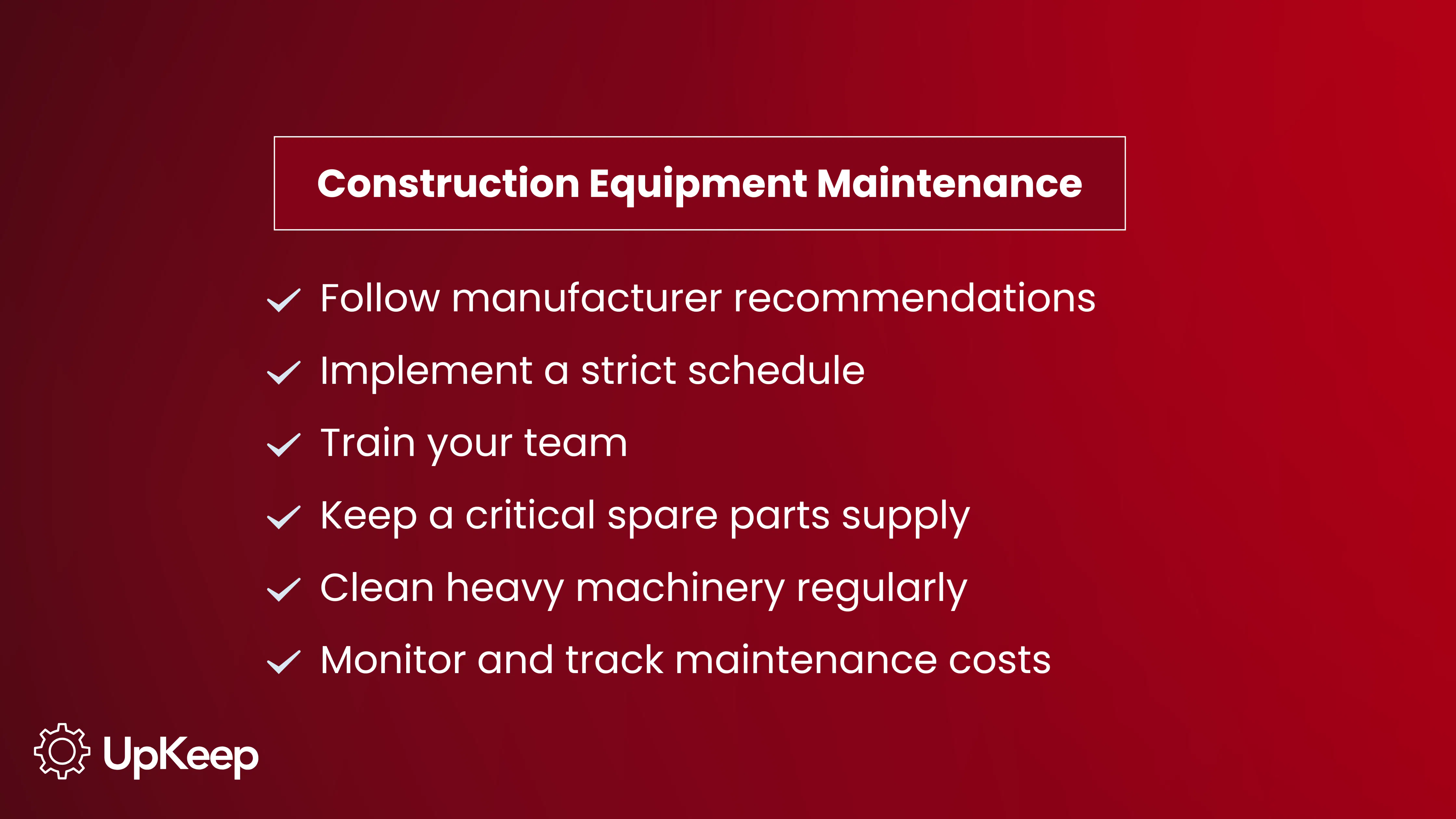
Implement a Strict Schedule
A reactive maintenance approach leads to expensive downtime. It is essential to implement a strict preventive maintenance schedule based on equipment usage hours or time-based intervals. This schedule ensures that routine servicing, inspections, and component replacements occur before a failure happens, keeping the equipment reliable.
Train Your Team
Your operators are the first line of defense in equipment maintenance. They must be trained to conduct thorough pre-start inspections and identify early warning signs, such as unusual noises, leaks, or vibrations. Proper training empowers the team to identify potential issues promptly, which is crucial for preventing minor problems from escalating into major repairs.
Keep a Critical Spare Parts Supply
Waiting for a replacement part to arrive can stop a project for days. Maintaining an organized inventory of critical spare parts for your most essential equipment is a vital practice. This includes stocking high-wear items like filters, belts, and hoses, which minimizes downtime by allowing technicians to make immediate repairs.
Clean Heavy Machinery Regularly
Cleaning is a simple but effective maintenance task. Keeping equipment clean prevents the buildup of dirt, grease, and debris that can hide developing problems like leaks or cracks. A clean machine is also easier and safer for technicians to inspect and service.
Monitor and Track Maintenance Costs
Effective maintenance requires good data. Managers should diligently monitor and track all maintenance costs, including labor, parts, and downtime. This data helps identify which assets are costing the most to maintain, allowing managers to make informed decisions about when to repair versus when to replace a piece of equipment.
How a CMMS Improves ROI and Extends Equipment Life
A Computerized Maintenance Management System (CMMS) is software that centralizes all maintenance information and automates key processes. For construction companies, transitioning from spreadsheets or paper to a CMMS is crucial for controlling costs, managing assets, and enhancing safety. CMMS technology provides real-time visibility into equipment health, allowing teams to become proactive rather than reactive. The benefits have a direct impact on every part of the operation, from the job site to the bottom line.

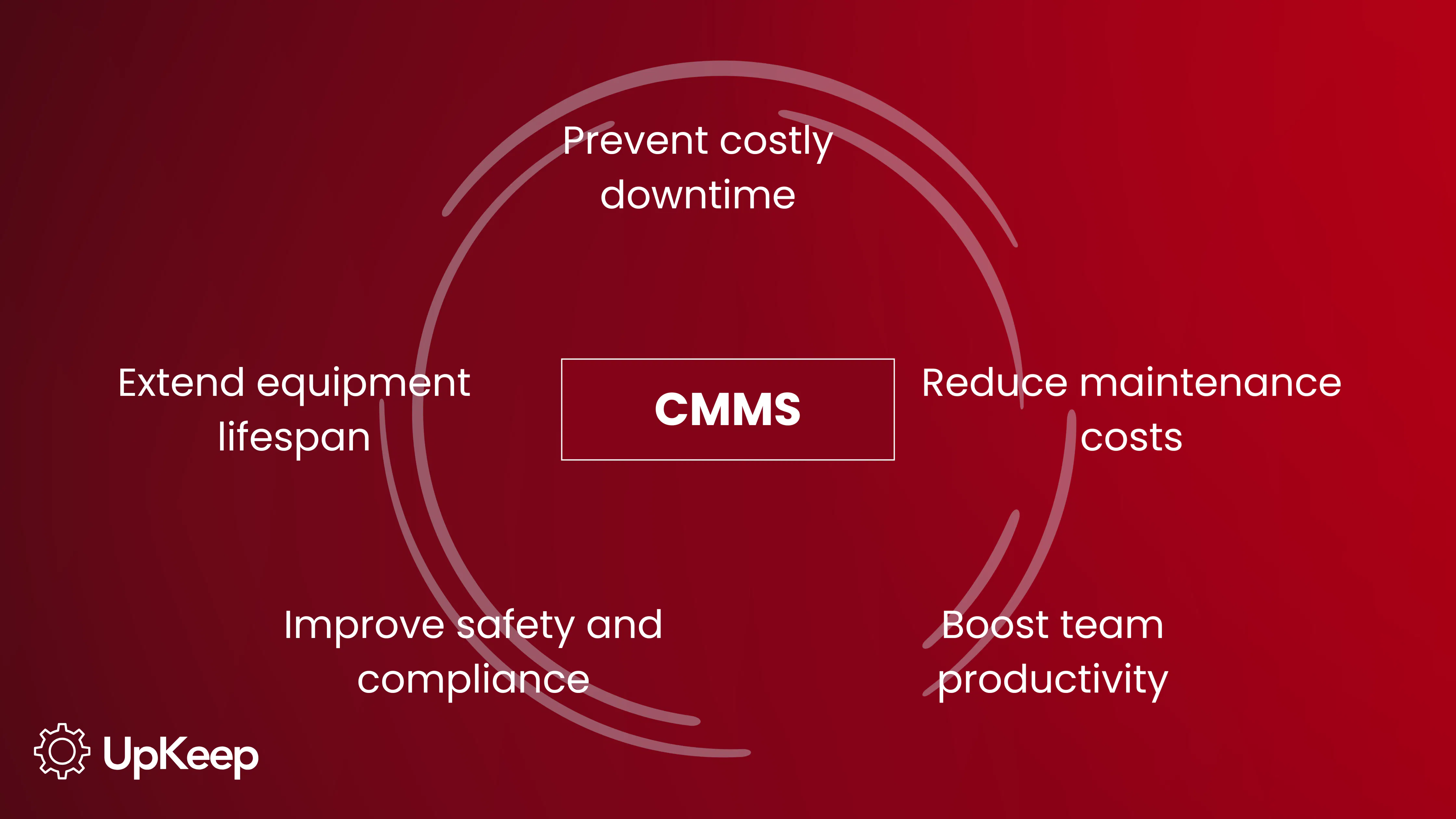
Prevent Costly Downtime
A CMMS automates the scheduling of preventive maintenance (PM) tasks based on asset usage or time. This systematic approach helps teams identify and resolve minor issues before they escalate into unexpected, major breakdowns.
Extend Equipment Lifespan
The software tracks the complete history of every asset, including all inspections, work orders, and repairs. This data helps managers shift from a costly run-to-failure model to a proactive strategy that maximizes the operational life of each piece of equipment.
Improve Safety and Compliance
Construction sites are governed by strict safety standards, including those established by the US Occupational Safety and Health Administration OSHA. A CMMS is a crucial tool for managing compliance. It creates a standardized, trackable process for all safety checks and inspections. This provides a permanent, digital paper trail, which is essential for proving compliance during an audit and avoiding potential fines.
Boost Team Productivity
A CMMS streamlines maintenance workflows and boosts efficiency. It automates the creation, scheduling, and assignment of work orders. Technicians receive all the necessary information on a mobile device, eliminating the time spent on manual paperwork and searching for asset information. This allows the entire team to focus more on high-value wrench time and less on administrative tasks.
Reduce Maintenance Costs
By scheduling preventive maintenance, a CMMS reduces the frequency of costly emergency repairs. The system also helps reduce costs by optimizing the inventory of spare parts and MRO (Maintenance, Repair, and Operations). This prevents overstocking parts that are not needed and avoids expensive rush orders for parts that are.
Bottom Line - UpKeep for Construction Equipment Maintenance
A proactive maintenance plan, built on manufacturer recommendations and consistent checklists, is the most effective way to protect your assets, budget, and team. Waiting for an asset to fail is no longer a viable option in a competitive environment. It is time to adopt a solid maintenance partner like UpKeep CMMS. This transition provides real-time visibility and automated maintenance scheduling, enabling you to cut downtime and take full control of your maintenance operation.
UpKeep CMMS also features tools to help you stay ahead of safety requirements by creating standardized, trackable processes for all safety checks and inspections. This provides a permanent, digital paper trail that is essential for proving compliance during an audit. By automating and documenting these safety procedures, you ensure all equipment on site is verified as safe to operate.
FAQs on Construction Equipment Maintenance
Why do you need to be proactive about construction maintenance?
Being proactive is the difference between controlling your schedule and letting your equipment control it. Reactive maintenance, also known as break/fix, is expensive, stressful, and results in significant, unscheduled downtime. Proactive maintenance, built on scheduled PMs, helps you find small issues before they become major failures. This approach reduces downtime, extends the life of your assets, and proves your team's value by keeping projects on track.
How to maintain construction equipment?
The best practice is to follow a structured, proactive plan. This involves following the manufacturer's recommended service intervals, training operators to perform daily pre-start inspections, and implementing a strict preventive maintenance (PM) schedule for tasks like oil changes and filter replacements. Tracking all this work in a central system is key to ensuring nothing is missed.
Is a CMMS necessary for a small construction company?
Yes, it is often more critical for a small company. Small teams are resource-constrained and cannot afford the major disruptions caused by unexpected downtime. A mobile-friendly CMMS is easy for non-technical teams to use, providing managers with the visibility they need to prevent failures. It helps a small team do more with less.
Does regular maintenance really improve the resale value of equipment?
Absolutely. A well-maintained machine with a complete and verifiable service history is worth significantly more than a machine with no records. Buyers want proof that the asset was properly maintained and not allowed to deteriorate to the point of failure. A CMMS provides a perfect digital log of every PM, inspection, and repair, serving as a powerful negotiating tool at the time of sale.
What is the most critical part of a daily equipment check?
The most critical part is consistency: the check must be performed by the operator before every single shift. In terms of specific items, checks on safety systems (brakes, lights, backup alarms) and fluids (checking for proper levels and for any active leaks) are the most important, as they are the leading indicators of imminent failure or a serious safety risk.
How much should I budget for my equipment maintenance?
A good starting point for an equipment maintenance budget is 2% to 5% of the total replacement asset value (RAV) annually, though some sources suggest 7% to 15% for industrial equipment. To create a more accurate budget, track historical costs (parts, labor) to calculate costs per machine or hour.
MÁS DE 4000 EMPRESAS CONFÍAN EN LA GESTIÓN DE OPERACIONES DE ACTIVOS
Liderando el camino hacia un futuro mejor para el mantenimiento y la confiabilidad
Los datos de sus activos y equipos no pertenecen a un silo. UpKeep simplifica ver dónde se encuentra todo, todo en un solo lugar. Eso significa menos conjeturas y más tiempo para concentrarse en lo que importa.






![[Review Badge] Gartner Peer Insights (Dark)](https://www.datocms-assets.com/38028/1673900494-gartner-logo-dark.png?auto=compress&fm=webp&w=336)