Blog Post
The Role of Training in Maintenance: Empowering Teams for Success
Every successful company understands the importance of a solid training and development program. Unless employees and technicians know how to do their jobs well and are motivated to continue to learn, the entire business is at risk.


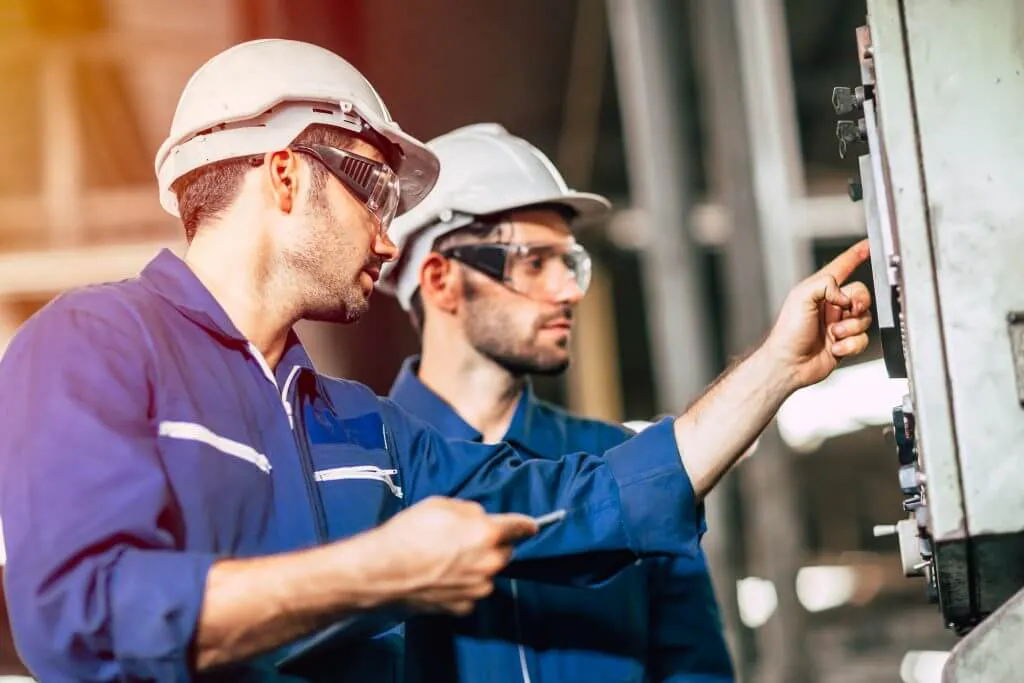
The Role of Training in Maintenance: Empowering Teams for Success
Every successful company understands the importance of a solid training and development program. Unless employees and technicians know how to do their jobs well and are motivated to continue to learn, the entire business is at risk.
Yet in today’s complex maintenance and manufacturing industry, many factors make training more difficult than ever. First, experienced managers and technicians are retiring at an astonishing rate, taking decades of knowledge with them. Second, technology such as artificial intelligence and robotics are demanding extremely specialized knowledge that continues to rapidly evolve, making it difficult to keep training up-to-date. And, finally, the ongoing labor shortage has led to a high turnover rate throughout the industry, which means trained individuals often take their knowledge elsewhere.
As a result, the role of training in maintenance must be part of a larger organizational plan in order for the investment to truly empower teams and individuals for success.
Start With Overall Culture
Although this may be the most difficult aspect to change within an organization, it’s also the most important. By starting with creating a positive work environment and culture, you’re laying the foundation for a place where people want to work, invest in, and grow throughout their careers.
Many people will be happy to stay at a company where they believe they are being compensated fairly, cared about as a person, and trained for interesting and rewarding work. In addition, everyone wants to be part of a winning team, and if employees and technicians believe they are contributing to the overall success of the company, and are rewarded as such, they will be more likely to invest in their own training and development over time.
Build a Young Pipeline
Unfortunately, there is often a negative stigma associated with working in maintenance or other traditionally “blue collar” jobs. One way to combat this is to reach out to today’s young people in high schools and trade schools with information about your organization and opportunities to explore the exciting careers that are evolving within maintenance today.
If your company can start an apprenticeship program, this can allow you to begin training very early and inexpensively with potentially good results. One study found that 64 percent of apprentices stay with the same employer after the apprenticeship is completed.
It also allows you to foster personal connections between your experienced staff and the next generation, hopefully building mentorship relationships that can last for years.
Encourage Mentorship Relationships
Mentorship relationships are not just for students, but can be invaluable for young technicians as well. Encourage new hires to build connections with not only immediate supervisors and team members but with other seasoned professionals within your organization. This allows them to begin creating a network of resources to ask when questions arise and introduces them to other areas of your organization.
While much more data and information is available today, there is still a place for handing down experience and knowledge through human relationships.
Transform Data Into Actionable Insights
More data from equipment manufacturers, best practices, past maintenance tasks, and even from assets themselves is available today. Centralizing and integrating this data so that it can be readily accessible for maintenance managers and technicians to support their day-to-day work is paramount in ongoing training and performance.
For example, if maintenance technicians can access information such as equipment manuals, maintenance history, and sensor data on a mobile device when they are in the field on a service call, they will be much better equipped to address the issue at hand. Add to that a spirit of wanting to correct the problem and a network of mentors who can be available for a quick consult or question, and the likelihood of that maintenance task being done correctly and completely rises even further.
Position Advanced Technologies as Professional Development Opportunities
As developments in AI, machine learning, and robotics continue at rapid rates, it will be important to train individuals who can maintain systems that use these advanced technologies. Organizations who can identify those technicians who are motivated to learn and grow in their careers can offer such training as a lucrative professional development opportunity.
Currently, many organizations who pursue the use of advanced technologies must rely on specialized expertise offered by the equipment manufacturers themselves. This service is often expensive and difficult to obtain because of the scarcity of trained individuals. Consider partnering with such organizations to find ways to accelerate learning that can benefit both businesses.
Empower Individuals with Knowledge and Opportunities
Many professional organizations such as the Society for Reliability and Maintenance Professionals offer ongoing industry training and certifications. Encourage team members to take advantage of these outside professional development opportunities, being sure to compensate them for their initiative and growing body of knowledge.
Along the same lines, be sure that your culture is one of empowerment, encouraging and rewarding individuals for finding ways to minimize downtime, improve productivity, optimize workflows, and take care of critical assets for the long term. Nurturing an environment where all team members are trying to do their best and look for opportunities to help achieve company goals through their daily work will pay significant dividends.
Foster a Culture of Continuous Improvement
Finally, these initiatives focused around training programs not only impart knowledge but also instill a mindset of continuous improvement within maintenance teams. Encouraging a culture of learning and development ensures that team members are motivated to seek out new skills and knowledge independently. This self-driven approach to professional growth not only benefits individual team members but also contributes to the collective expertise of the entire maintenance team and the company overall.
It’s clear that training is not just an investment; it is a strategic imperative. Well-trained teams are the linchpin of successful maintenance strategies, capable of adapting to technological advancements, reducing downtime, and fostering a culture of continuous improvement. Businesses that recognize the pivotal role of training in maintenance are not only ensuring the success of their teams but are also positioning themselves to thrive in an increasingly competitive marketplace.
Want to keep reading?


Article
S3:E1 Training New Maintenance Technicians with Ricky Smith

Article
CMMS Superuser | What Is it and Why Is It Important?


Article
Maintenance Apprenticeship Program Tips
4,000+ COMPANIES RELY ON ASSET OPERATIONS MANAGEMENT
Leading the Way to a Better Future for Maintenance and Reliability
Your asset and equipment data doesn't belong in a silo. UpKeep makes it simple to see where everything stands, all in one place. That means less guesswork and more time to focus on what matters.






![[Review Badge] Gartner Peer Insights (Dark)](https://www.datocms-assets.com/38028/1673900494-gartner-logo-dark.png?auto=compress&fm=webp&w=336)