Blog Post
Predictive Maintenance Sensors: Benefits and Cautions
Hundreds of different kinds of sensors are now available to help manufacturers monitor just about every facet of their equipment. Understanding both the advantages of this technology as well as some precautions to take during the selection and implementation process can help you maximize your return on investment.


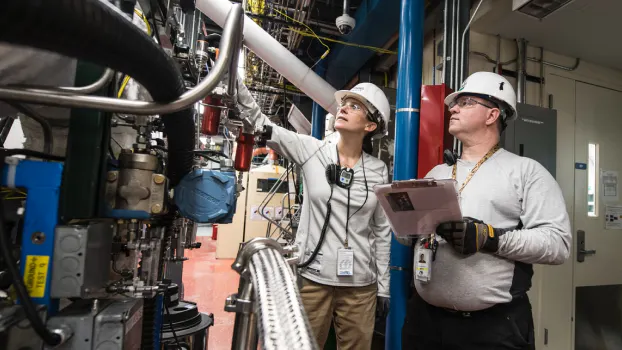
Predictive Maintenance Sensors: Benefits and Cautions
Hundreds of different kinds of sensors are now available to help manufacturers monitor just about every facet of their equipment. Understanding both the advantages of this technology as well as some precautions to take during the selection and implementation process can help you maximize your return on investment.
Understanding the Potential Benefits of IoT Sensors
Because predictive maintenance sensors are designed to keep a constant set of electronic eyes on certain performance aspects of your most critical assets, they can deliver significant benefits to your organization. Here are major advantages:
Boost Cost Savings: Sensors are designed to flag your maintenance team if things like temperature or vibration exceed acceptable ranges, helping to detect potential equipment failures before they occur. This means you can potentially avoid costly emergency repairs or even equipment replacement.
Increase Uptime: If you can catch potential problems on your production lines before they need to be completely shut down, you will increase overall productivity and decrease equipment downtime. When sensors signal problems, you can perform planned maintenance, shifting your production and labor pool to other equipment.
Extend Equipment Life. When you can address minor problems on equipment, you effectively protect other components of your critical assets from wear and tear. Predictive maintenance is an effective means of extending your overall equipment lifespan.
Improve Safety. Since faulty or malfunctioning equipment can pose safety risks to employees, sensors can help your organization improve its safety performance. Predictive maintenance sensors can identify potential hazards, such as abnormal vibrations, temperature fluctuations, or leaks, enabling proactive measures to mitigate risks and ensure a safer working environment.
Enhance Efficiency. Preventive maintenance based on emergencies or time- or usage-based schedules are inefficient. Reactive maintenance often requires overnight shipping of needed parts and rapid reassignment of technicians. Scheduled maintenance may be wasted if performed before too early or ineffective if performed too late. Sensors enable condition-based maintenance based on real-time equipment data. It optimizes resource allocation, reduces unnecessary maintenance tasks, and improves the overall efficiency of maintenance operations.
Uncover Data-Driven Insights. Predictive maintenance sensors generate a wealth of data about equipment performance, patterns, and anomalies. By analyzing this data, businesses can gain valuable insights into equipment behavior, identify underlying causes of failures, and make data-driven decisions to optimize operations, improve maintenance strategies, and optimize asset utilization.
As you can see, predictive maintenance sensors offer manufacturers and other organizations a wealth of potential benefits that can help improve performance, reduce costs, and increase overall efficiency. These, in turn, can all result in a direct, positive, and long-term impact on your bottom line.
Precautions During Selection and Implementation
Anytime you plan on investing in and implementing a new technology, it’s important to take precautions during the selection and installation process to avoid costly errors or wasted resources. Although sensors appear to be a straight-forward, relatively low investment for a high potential return, consider these cautions before making your final decision.
Define Goals. As an organization, be sure you clearly outline the objectives you’re trying to achieve with sensor technology. Select one or two of your most critical assets and pick what will most likely indicate failure. For example, a food manufacturer may begin simply with temperature sensors on refrigeration and freezer units while an industrial equipment producer may choose to measure vibration of its primary assets.
Resist Overload. Because sensor technology does not seem as costly as some other technology investments, it can be easy to attempt to monitor too many pieces of equipment. Prioritize your resources to focus on those assets truly critical to your operations before expanding into other equipment too quickly.
Understand Solution. All sensors are not created equal. When evaluating options, consider factors such as accuracy, sensitivity, compatibility with existing systems, and ease of installation. Be sure data acquisition systems, communication protocols, and data storage and analysis platforms are compatible with your larger IT stack.
Double-Check Data Reliability. Besides ensuring that you purchase quality sensors, you may need to implement quality control measures to ensure ongoing sensor accuracy, calibration, and validity. Investing in redundant sensors can minimize false readings or sensor failures. Remember if your team mistrusts data, the entire initiative can easily be derailed.
Understand Your Baseline. Once you’ve selected your sensors and equipment to be monitored, establish your baseline levels for acceptable asset behavior. If you have access to historical equipment data, you can look at performance patterns, thresholds, and failure modes the asset has experienced under normal working conditions. This baseline will help in detecting anomalies and deviations once sensors are in place.
Secure Sensor Data. Sensors are constantly collecting potentially sensitive data about your equipment performance, operational patterns, and employee behavior. Be sure you protect this data by implementing encryption protocols, using protected data storage, establishing secure access, and complying with necessary regulations.
Offer Ongoing Training. Perhaps one of the most important cautions is regarding ongoing training and education. Be sure your maintenance team understands the purpose, operation, and maintenance requirements of your selected predictive maintenance sensors. Employees should be able to interpret sensor data, analyze trends, and take appropriate actions based on the insights provided by the system. Remember that education must be ongoing, not only to help employees remember and understand technical changes and improvements but to instill a predictive maintenance culture.
Integrate Data. Unless sensor data is actionable, many of the benefits noted above will not come to fruition. Data alone will not reduce costs, improve efficiency, or decrease downtime. It’s critical that your company integrate the collected data into your existing maintenance system, providing alerts on mobile devices as well as seamlessly flowing into timely work orders and data analysis.
Preparing for Growth. Consider the scalability of your chosen solution. Will you be working with an organization that can support your potential growth and addition of more sensors, advanced analytics or future expansion of your operations?
By appreciating the benefits of predictive maintenance technology as well as understanding cautions associated with selection and implementation, your organization can make the best decisions in pursuing this powerful solution for your critical assets. Explore UpKeep Edge, which delivers battery-powered, wireless sensors off-the-shelf, providing critical data to your maintenance team immediately.
Want to keep reading?



Article
UpKeep Edge | Accelerate Maturity, Improve Decision Making


Article
UpKeep Edge is powered by Microsoft Azure



Article
Sensors for Cold Storage Management in Manufacturing
4,000+ COMPANIES RELY ON ASSET OPERATIONS MANAGEMENT
Leading the Way to a Better Future for Maintenance and Reliability
Your asset and equipment data doesn't belong in a silo. UpKeep makes it simple to see where everything stands, all in one place. That means less guesswork and more time to focus on what matters.






![[Review Badge] Gartner Peer Insights (Dark)](https://www.datocms-assets.com/38028/1673900494-gartner-logo-dark.png?auto=compress&fm=webp&w=336)