Blog Post
Optimizing Maintenance Parts Storeroom Operations
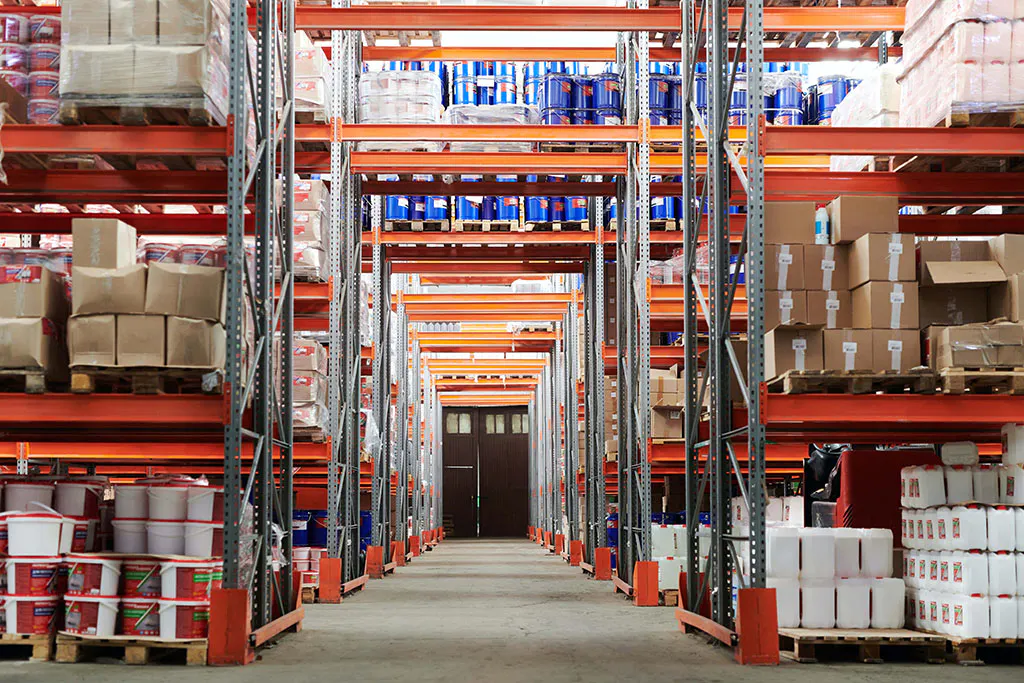
Efficient maintenance parts storeroom operations are crucial for the smooth functioning of any organization, especially those heavily reliant on machinery and equipment. A well-organized and managed storeroom ensures that maintenance personnel have quick access to the necessary parts, minimizing equipment downtime and maximizing productivity.


Optimizing Maintenance Parts Storeroom Operations
Efficient maintenance parts storeroom operations are crucial for the smooth functioning of any organization, especially those heavily reliant on machinery and equipment. A well-organized and managed storeroom ensures that maintenance personnel have quick access to the necessary parts, minimizing equipment downtime and maximizing productivity.
Here are best practices to help your organization increase efficiency and effectiveness in the storeroom.
Establish Clear Inventory Management Processes
Start by defining clear procedures for inventory management, including receiving, storage, issuance, and replenishment. It can be helpful to implement an inventory classification system such as an ABC analysis or criticality ranking to prioritize items based on usage frequency and criticality.
Then, be sure to regularly conduct inventory audits to ensure accuracy and identify obsolete or surplus parts for disposal or redistribution. This is also a good time for general cleaning up and organization.
Use Technology for Tracking and Monitoring
Implement a computerized maintenance management system (CMMS) or an enterprise asset management (EAM) system to track inventory levels, maintenance schedules, and equipment history. Barcode or RFID tagging systems can also help you streamline inventory tracking, making it easier to locate parts and automate replenishment processes.
Many predictive maintenance tools can help you anticipate part failures and stock critical components proactively, reducing emergency orders and downtime.
Optimize Storeroom Layout and Organization
You may need to begin by simply sorting your parts. Assign a small work team that's familiar with how parts or groups of parts are used at your organization. Ideally, parts are stored close to where they will be used and organized in a way that makes everything easy to locate quickly.
This will require designing a logical layout for the storeroom, grouping similar items together and ensuring easy access to frequently used parts. Then, clearly label shelves, bins, and storage locations to facilitate quick identification and safe retrieval of parts.
For some organizations, you may want to implement a first-in-first-out (FIFO) or first-expired-first-out (FEFO) system to prevent stock obsolescence and minimize waste. In other cases, assemblying kits that contain all the tools and parts required to complete a frequently performed task can be a long-term time saver.
Standardize Procurement and Reordering Processes
Establish standard stocking levels based on usage patterns, lead times, and criticality of parts. You may also want to implement automated reorder triggers to replenish stock levels when they reach predefined thresholds, reducing the risk of stockouts. It's important to weigh the costs of parts and storage as well as the downtime incurred if something is not immediately available. Your CMMS solution can help you facilitate that process.
Consolidate suppliers where possible to streamline procurement processes, negotiate favorable pricing, and reduce administrative overhead.
Train and Empower Storeroom Personnel
Provide comprehensive training to storeroom staff on inventory management best practices, safety protocols, and proper handling of parts. Be sure to empower employees to suggest process enhancements and participate in continuous optimization efforts; they are often on the front-lines and can see areas that can be further improved.
It’s important that all employees do everything in the same way every time. To achieve this, each new employee you bring into the storeroom needs to be task qualified. Checklists and comprehensive training can help. In addition, visible KPI dashboards can help everyone see how well you’re doing as an organization.
Be sure to have maintenance technicians assigned to each task to foster a culture of accountability and ownership. In this way, you can encourage employees to take pride in maintaining an efficient and organized storeroom.
Establish Performance Metrics and Continuous Improvement Initiatives
You’ll want to define key performance indicators (KPIs) to measure storeroom performance. Once defined, be sure to regularly review performance metrics and identify areas for improvement, implementing corrective actions as necessary. Here are some potential KPIs to measure:
Inventory Turnover Rate. Consider whether your inventory turnover rate is increasing or decreasing over time. If a certain part’s turnover rate is increasing, it can show potential failures with a particular asset that might be overlooked otherwise. This KPI can help reduce overbuying as well.
Stockouts. Ideally, you want service level stockouts to be less than 5 percent. If stockouts are too high, it’s an indicator that you either have poor storeroom security or are simply keeping insufficient stock on hand.
Inventory Accuracy. Best practices indicate this should be above 95 percent. Stockroom personnel should be doing regular cycle counts to keep their records as accurate as possible.
Percentage of Parts Assigned to Assets. All parts should be assigned to an asset unless they’re free bin/free stock items.
Number of Expedited Parts. Expedited parts should be kept to a minimum since they represent instances where an important part was needed but not available, often incurring massive costs.
Backorders. In an ideal operation, backorders should be below 5 percent. That means vendors need to be in tune with your operation and aligned with your objectives. Having contracts with preferred suppliers helps make sure they keep the items you need on their shelves, and they may even store some of your inventory for you in some cases.
Create a culture of continuous improvement, where stakeholders are encouraged to share feedback and implement innovative solutions to enhance storeroom operations. Storage organization and parts management must become part of an ingrained culture. Ongoing audits, regular training and concise recordkeeping should become second nature to the entire maintenance team.
Conclusion
Optimizing maintenance parts storeroom operations requires a combination of efficient processes, technology utilization, and employee empowerment. By establishing clear inventory management processes, leveraging technology for tracking and monitoring, optimizing storeroom layout, standardizing procurement processes, investing in employee training, and fostering a culture of continuous improvement, organizations can ensure that their maintenance operations run smoothly and cost-effectively. A well-managed storeroom not only minimizes equipment downtime but also contributes to overall operational efficiency and profitability.
Want to keep reading?
Article
Episode 5: How Managing Your Storeroom Can Save You Millions with Radar Huntsinger



Article
MRO Storeroom Best Practices


Article
Ensuring Timely Availability of Parts and Materials: Strategies for Success
4,000+ COMPANIES RELY ON ASSET OPERATIONS MANAGEMENT
Leading the Way to a Better Future for Maintenance and Reliability
Your asset and equipment data doesn't belong in a silo. UpKeep makes it simple to see where everything stands, all in one place. That means less guesswork and more time to focus on what matters.






![[Review Badge] Gartner Peer Insights (Dark)](https://www.datocms-assets.com/38028/1673900494-gartner-logo-dark.png?auto=compress&fm=webp&w=336)