Blog Post
Top Healthcare Technology Trends in 2023
As the population ages and the healthcare industry continues to struggle with staff shortages and turnover, technology will need to play an increasingly larger role in helping healthcare providers care for patients. Fortunately, many developments have been refined over the past few years, and exciting solutions have begun to enter the marketplace.


As the population ages and the healthcare industry continues to struggle with staff shortages and turnover, technology will need to play an increasingly larger role in helping healthcare providers care for patients.
Fortunately, many developments have been refined over the past few years, and exciting solutions have begun to enter the marketplace.
Here are the top five to watch in 2023.
1. Artificial Intelligence


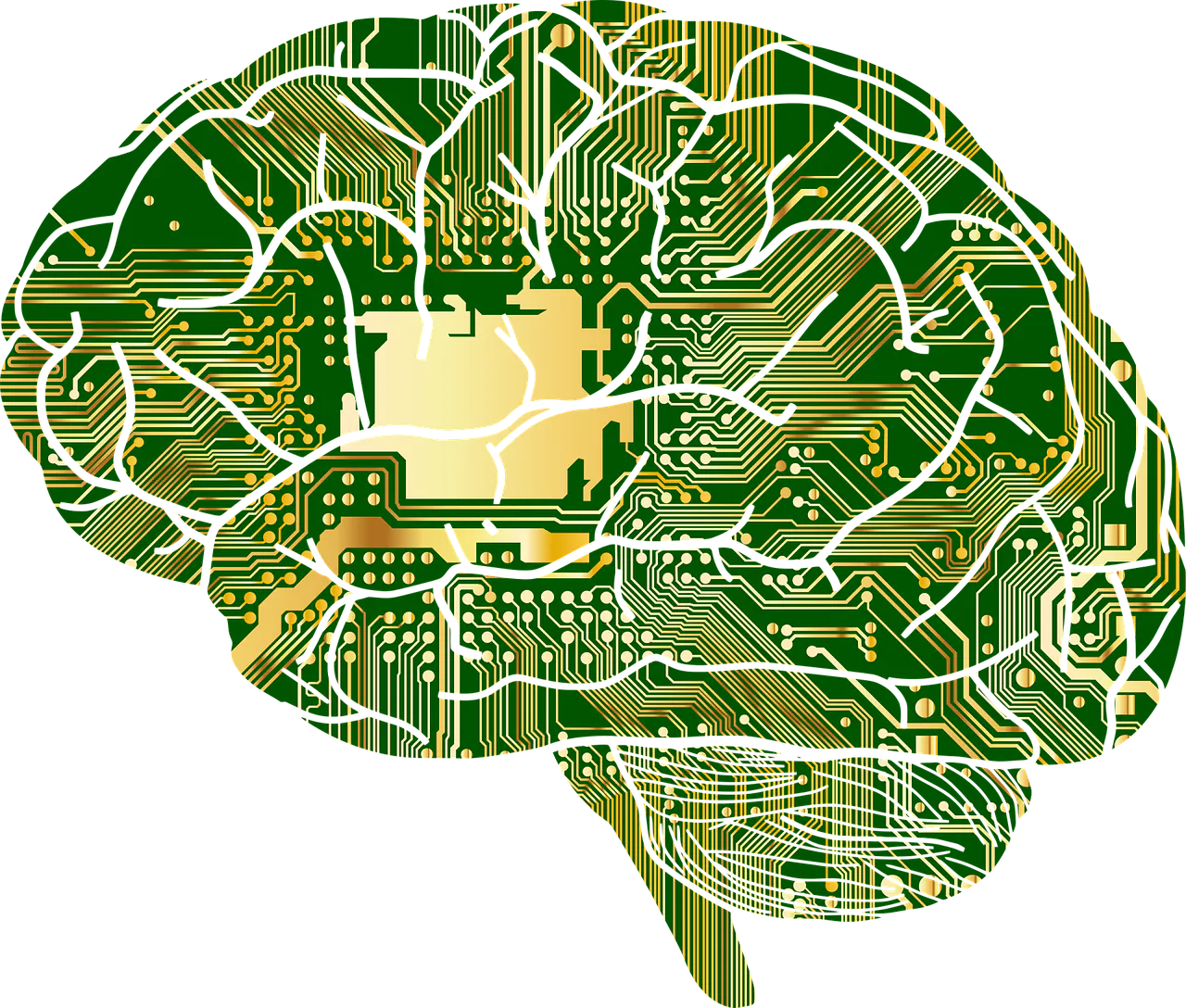
Artificial intelligence has come a long way in recent years, and machine learning technology has been successfully applied in a wide range of areas within healthcare. This trend will continue into 2023 as the technology infiltrates more components of healthcare including:
Clinical Applications. Technologies such as computer vision and pattern recognition will help healthcare providers more accurately diagnose and identify disease states to improve provider decision-making and patient outcomes.
Pharmaceutical Research. AI tools can help researchers predict clinical trial outcomes as well as potential side effects in drug development.
Administrative Efficiency. Many solutions are designed to streamline insurance claims processing, electronic medical record management, and provider documentation and record keeping.
Health Monitoring. AI can play a role in monitoring the health of patients by working with remote patient monitoring tools or wearable devices.
Work/Life Balance. Technology can reduce key contributors to doctor, nurse, and other healthcare staff burnout by handling repetitive, time-consuming tasks and increasing the time spent directly caring for patients.
Regulatory Compliance. As state and federal governments increase regulations within the industry, AI can help providers remain compliant efficiently.
2. Remote Services



Telehealth and telemedicine were greatly accelerated during the global pandemic, and this is only expected to continue into 2023. Technology is expected to continue to help healthcare providers reach patients in a greater geographic area and bring more specialty services to rural and hard-to-reach populations. Here are some areas to watch:
Primary Care. Telehealth services that connect providers with patients for primary care needs can be very effective. Often, routine, acute medical care requires only a brief conversation between a patient and healthcare provider, which can be completed much more efficiently in a remote manner. Providers can serve a larger number of patients, and patients can receive care without driving to a doctor’s office and taking as much time off from work or school.
Specialty Care. While there are often not enough specialty providers to serve rural communities, their services are occasionally needed. By using telemedicine, or the ability to connect a local provider with a specialist in a larger city, hard-to-reach patients can obtain higher quality specialty care. The local generalist can follow the advice of the specialist for routine or monitoring care, and lengthy trips to physically see the specialist can be minimized.
In-Home Care. Services such as home hospital, home health care, and other such solutions are growing in popularity. One rural community uses its emergency medical technicians and paramedic teams to extend remote healthcare services. Nurses, paramedics, or other healthcare providers can travel to the homebound and then remotely connect with doctors to extend healthcare services efficiently.
3. Robotic Technology



While science fiction movies portray robots as human-like machines making decisions, the reality is that robotic technology supports healthcare providers in managing routine work, addressing high-risk situations, improving accuracy in various areas, extending the reach of healthcare, or bringing additional comfort to patients. Here are some ways robotic technology delivers:
Managing Routine Work. Robotic technology can help with the transfer of items within a hospital. For example, labs or medications can be delivered more efficiently between departments using robots. They can also be used in waiting areas to help register incoming patients or guide them to the appropriate exam rooms.
Addressing High-Risk Situations. During COVID-19, healthcare workers tried to minimize their exposure to infected patients. Robotic technologies could be used to monitor patients at a distance or deliver items to the rooms without human exposure.
Improving Accuracy. Robotics are often used in routine surgeries, allowing surgeons to more accurately perform incisions or repairs, especially in hard-to-reach areas. Some surgeries can even be performed remotely with minimal staff at the patient location.
Extending the Reach of Healthcare. Drones can be effectively used to deliver medications and vaccines or transport lab samples or biohazardous materials in and out of remote areas around the world.
Bringing Comfort. Robots can be used to deliver comfort items, adjust items within hospital rooms such as temperature or entertainment, or even provide conversation to increase the comfort level of ill patients.
4. Self-Monitoring



Health and wellness are popular topics for an increasing number of people. Caring for yourself when you’re healthy is becoming just as important as knowing where to go when you’re sick. As a result, the consumer healthcare technology market is poised to continue to expand. Here are some popular technology developments:
Vital Signs Tracking. Wearable devices can track everything from blood pressure to heartbeats, helping individuals to take control of their health and seek help if outcomes reach dangerous ranges.
Fitness Tracking. Many people use wearable devices to count steps or help manage exercise or other fitness goals on a daily basis.
Diet Support. A wide range of technologies can help individuals count calories, manage blood sugar, or reach dietary goals.
Sleep Tracking. Apps are available to not only track sleep but also different stages of sleep, helping to identify issues such as sleep apnea or other disorders.
5. Asset Operations Management
Maintenance, reliability, and operations staff within healthcare organizations face increasing challenges with the growing number of technologies and assets that are now directly related to patient care and outcomes.
Although these teams often operate in the background, their role in keeping equipment working reliably and optimally has a direct impact on the health of patients. As a result, healthcare organizations will turn to Asset Operations Management to keep their facilities and equipment operating reliably, minimizing downtime, and trying to avoid asset failure.
Successful healthcare organizations will implement a centralized command center for all asset and regulatory information through Asset Operations Management. By integrating operations and maintenance for mutually beneficial outcomes, AOM can help healthcare organizations better serve patients into the future.
Want to keep reading?



Article
Machine Failures: 5 Main Causes and How To Prevent Them


Article
Process vs. Procedure: What’s the Difference?



Article
Maintenance Troubleshooting Techniques and Best Practices
4,000+ COMPANIES RELY ON ASSET OPERATIONS MANAGEMENT
Leading the Way to a Better Future for Maintenance and Reliability
Your asset and equipment data doesn't belong in a silo. UpKeep makes it simple to see where everything stands, all in one place. That means less guesswork and more time to focus on what matters.






![[Review Badge] Gartner Peer Insights (Dark)](https://www.datocms-assets.com/38028/1673900494-gartner-logo-dark.png?auto=compress&fm=webp&w=336)